
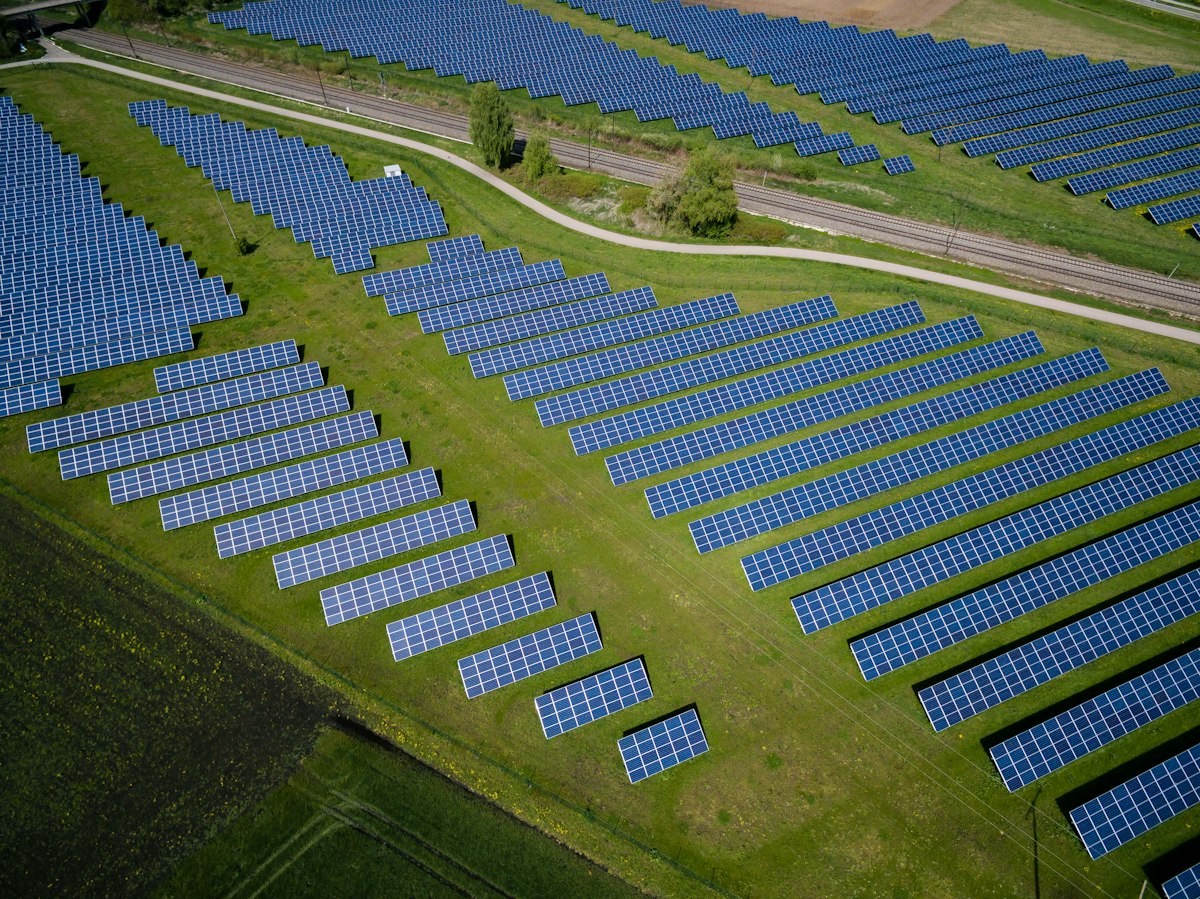
In a landmark achievement for renewable energy, Texas has recorded a significant increase in solar energy output, reaching a new high of 40,000 megawatts as of July 2026.
This surge comes as demand for cleaner energy sources grows, driven by both consumer preferences and state mandates. The Texas Solar Power Association noted that the state’s solar installations have nearly doubled in the last two years, fueled by declining costs and favorable policy environments.
Much of this growth can be attributed to major developers like NextEra Energy and Enphase Energy, who have invested heavily in Texas solar farms. “We’re seeing a shift in the energy landscape, with more Texans relying on solar energy for their daily needs,” said Rebecca Garcia, director of the Texas Solar Power Association. “This growth reaffirms Texas’s position as the national leader in solar energy capacity.”
As of June 2026, solar energy accounted for nearly 25% of the state's total energy production, compared to just 10% five years ago. With more than 9,000 solar projects currently in operation, Texas continues to lead the nation in solar capacity, ahead of California and Florida.
This record output coincides with a surge in energy consumption due to an exceptionally hot summer across the state. Utilities reported that peak electricity demand for air conditioning reached 80,000 megawatts in mid-July, prompting concerns about grid reliability. However, the increased solar generation has helped mitigate some of these issues.
The state’s Public Utility Commission is now considering new regulations to enhance grid stability and integrate more renewable sources. “The role of solar in ensuring we meet peak demand while also adhering to environmental goals cannot be overstated,” commented Chairman Peter Lake of the Public Utility Commission.
Despite these advancements, challenges remain. Critics argue that the state must invest more in energy storage technologies to ensure that solar energy can be effectively utilized at night and during cloudy weather. The current storage capacity in Texas is approximately 4,000 megawatts, far below what experts deem necessary to fully capitalize on solar energy potential.
Looking ahead, forecasts suggest that Texas’s solar capacity could triple by 2030, with estimates reaching 120,000 megawatts. If this trajectory continues, Texas could potentially produce over 50% of its energy from solar sources, positioning itself as a critical player in the national energy transition.