
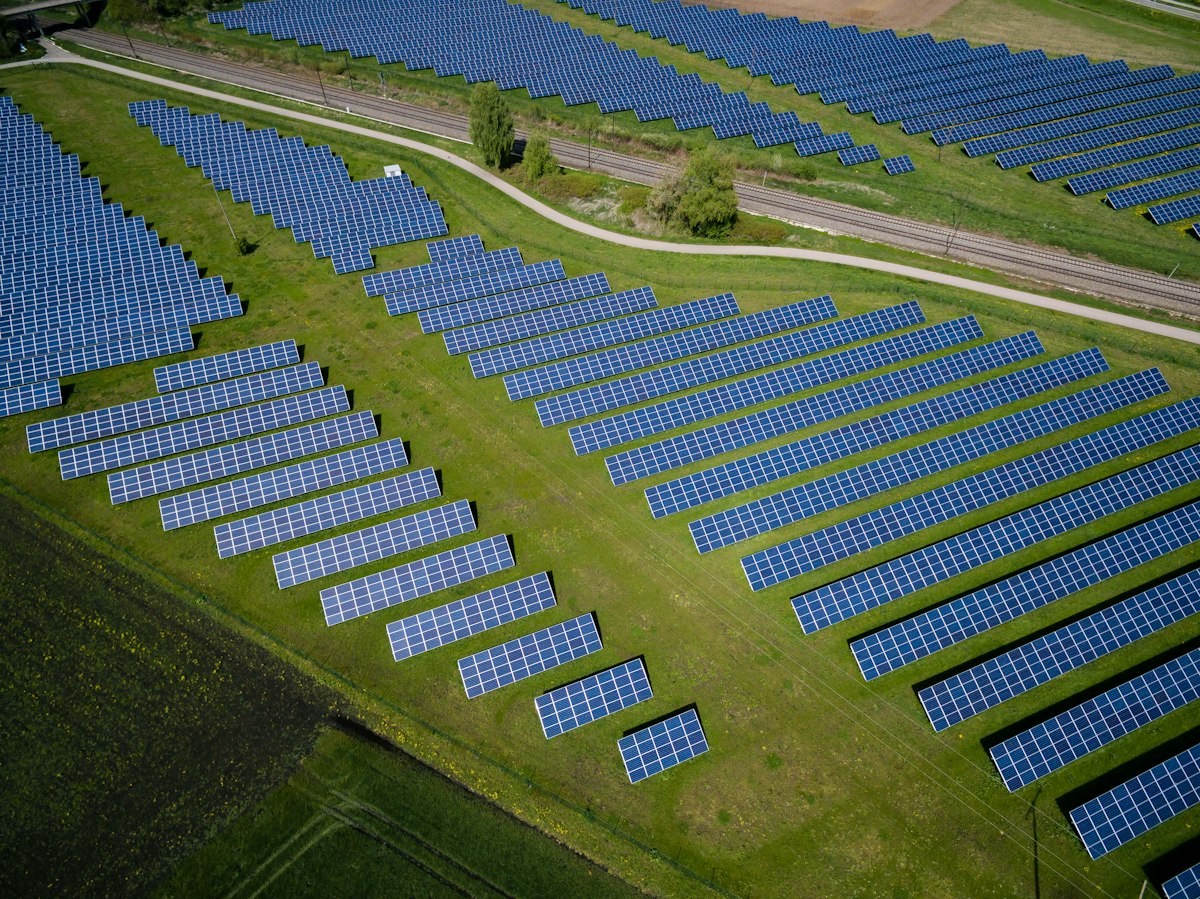
As Texas emerges as a leader in renewable energy, the solar sector is experiencing unprecedented growth, fueled by recent regulatory changes and increased investments.
In the first half of 2026, Texas's solar capacity has expanded by over 30%, according to the state's Public Utility Commission. This surge is largely attributed to the newly implemented Solar Tax Incentive Program, which offers tax credits aimed at both residential and commercial installations.
Austin-based SunPower Corp. has reported a record increase in installations, with their quarterly revenue jumping 40% to $150 million in Q2 2026 compared to the same period last year. Tim McCarthy, Chief Executive Officer of SunPower, noted, “The regulatory landscape has never been more favorable for solar energy. We anticipate continued growth as more Texans recognize the long-term savings and environmental benefits of solar.”
This explosive growth comes at a time when Texas faces significant pressure to diversify its energy portfolio. With recent extreme weather events highlighting vulnerabilities in the grid, the state is under increasing scrutiny to enhance reliability and sustainability. The state’s energy mix currently includes 26% from renewable sources, a stark contrast to 15% just five years ago.
The transition is not without challenges, however. While homeowners and businesses are keen on adopting solar solutions, concerns remain regarding the grid's ability to handle the influx of renewable energy. The Electric Reliability Council of Texas (ERCOT) has projected that solar generation could account for up to 50% of the state's electricity demand during peak summer months by 2030.
In response to these challenges, ERCOT is investing $1 billion into grid modernization efforts to support the integration of renewable technologies. Chairman of ERCOT, Michael Williams, commented, “Our goal is to ensure that the grid remains stable while we embrace the future of energy. This investment is crucial for balancing demand and supply, particularly with increasing solar outputs.”
Moreover, the influx of federal funding through the Inflation Reduction Act is anticipated to further bolster Texas's renewable sector. The state is expected to receive up to $7 billion in grants and incentives aimed at accelerating clean energy projects.
As the solar industry continues to expand, Texas cities like Houston and Dallas are becoming focal points for solar energy initiatives. In Houston, the City Council has passed an ordinance that mandates solar panels on all new commercial buildings, a move that aligns with the city's commitment to reduce carbon emissions by 50% by 2030.
The Texas solar boom reflects a broader trend across the nation, where states are increasingly prioritizing sustainable energy solutions. As businesses and residents alike make the shift toward greener energy, the path forward for Texas looks promising, albeit complex.