
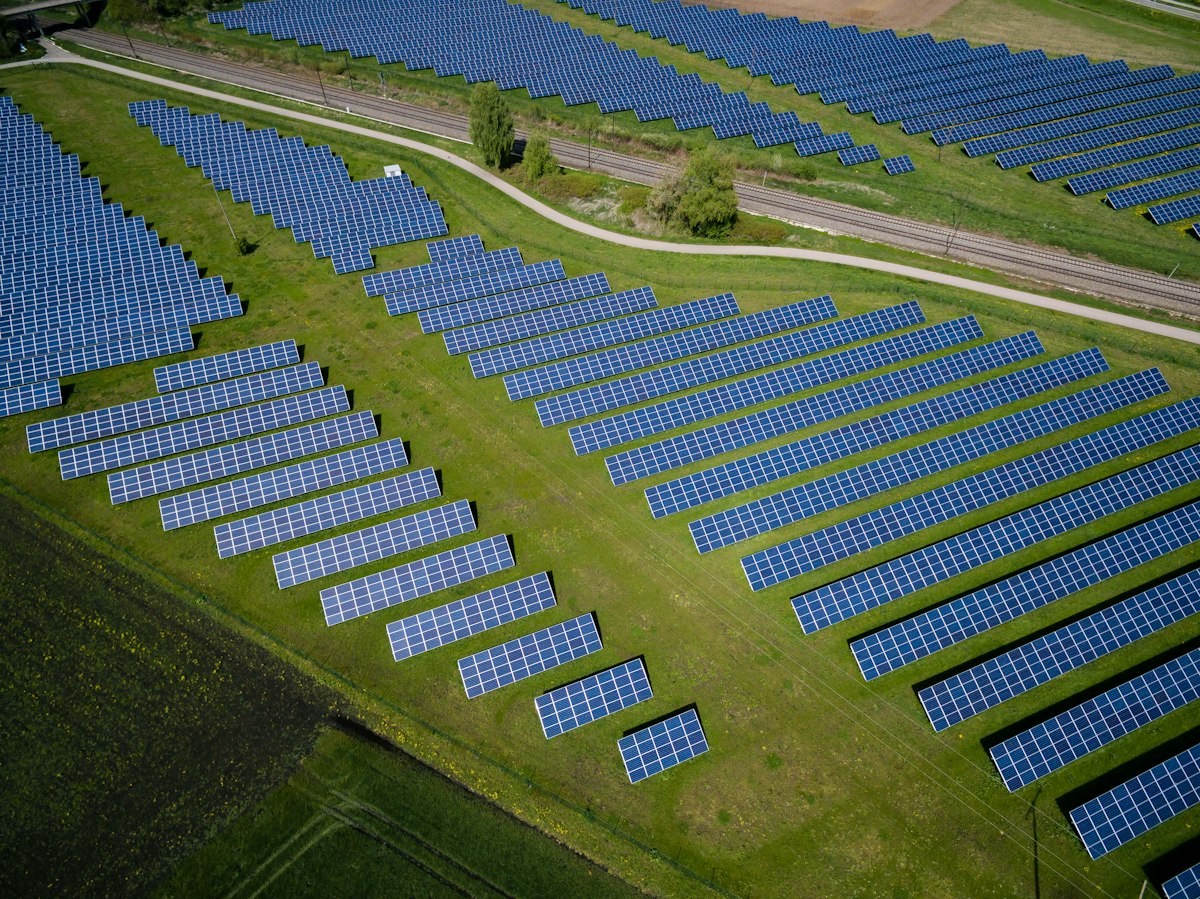
In a significant development for the renewable energy sector, Texas has seen a 30% increase in solar energy capacity in the first half of 2026, fueled by federal tax incentives and a growing demand for cleaner energy sources.
According to the Texas Solar Power Association, the state's installed solar capacity reached 35,000 megawatts as of June 2026. This impressive growth comes on the heels of the Inflation Reduction Act of 2022, which extended the Investment Tax Credit (ITC) for solar projects through 2032, giving companies a much-needed boost to invest in renewable technologies.
Among the major players in this surge is NextEra Energy Resources, which has recently announced plans to invest over $1 billion in solar installations across Texas over the next three years. “The economic landscape in Texas is ripe for solar development,” said John McCarthy, Vice President of NextEra. “With the federal incentives in place and local demand increasing, we are committed to expanding our footprint in the Lone Star State.”
Cities like Austin and
This solar expansion is not just about meeting local energy demands; it also plays a crucial role in combating climate change. The increasing reliance on solar energy is expected to reduce Texas’ carbon emissions by approximately 15 million metric tons annually, according to estimates from the state’s environmental agencies.
However, challenges remain. The rapid growth in solar installations raises questions about grid reliability and storage capabilities, particularly during peak demand periods. The Electric Reliability Council of Texas (ERCOT) is actively working on solutions to integrate this new capacity efficiently into the existing grid infrastructure.
Experts also warn that without continued policy support and investment in energy storage technologies, the full potential of Texas’ solar boom may not be realized. “We need to ensure that the infrastructure can support not just the production but also the storage and distribution of solar energy,” noted Dr. Sarah Miller, an energy policy researcher at the University of Texas at Austin.
As Texas continues to navigate this pivotal energy transition, the state’s commitment to solar energy is becoming increasingly evident, positioning it as a national leader in the renewable energy landscape.