
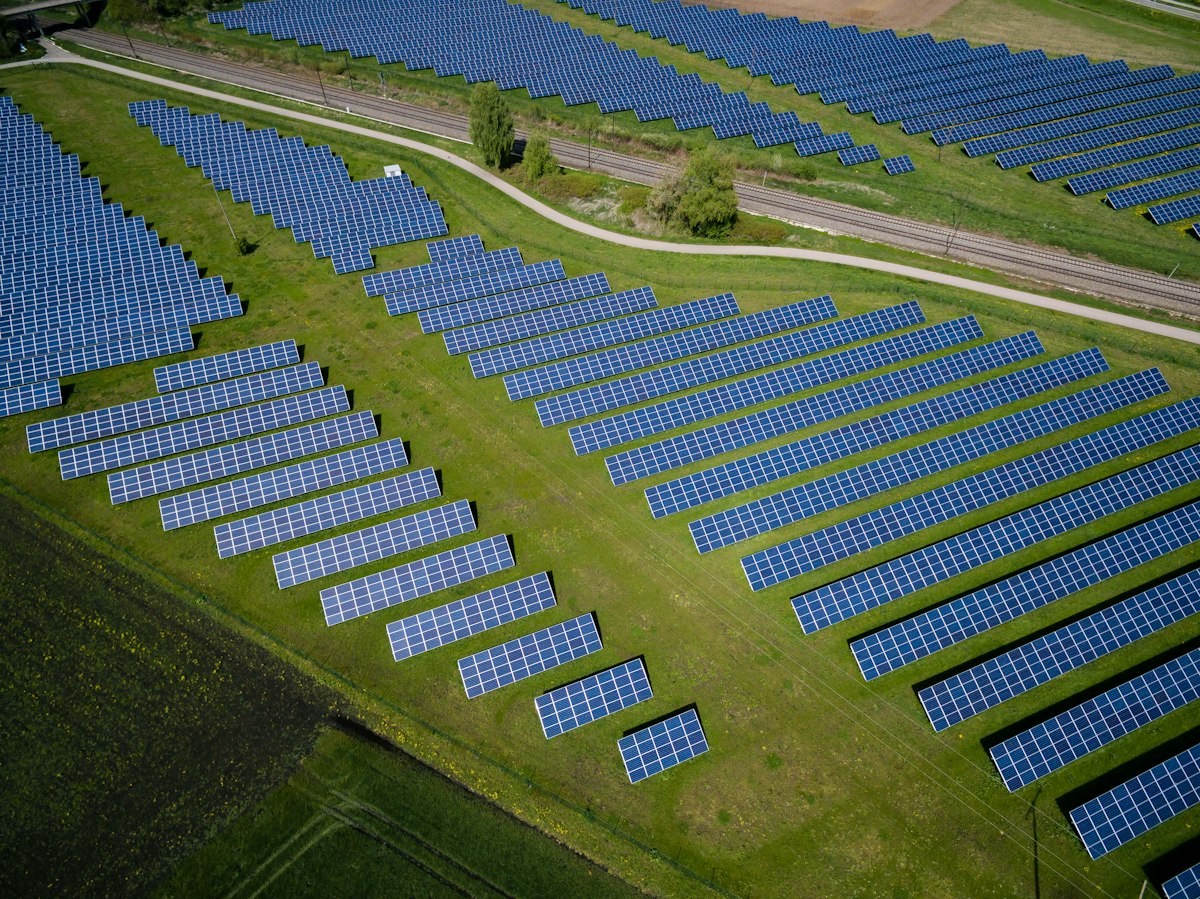
As of July 2026, Texas has surged forward to become the leading state in solar energy capacity, achieving a record high of 45 gigawatts (GW) installed, representing a 25% increase compared to last year.
The Texas Solar Power Association (TSPA) reported that the state has added over 9 GW of solar capacity in the first half of 2026 alone, driven by both utility-scale solar farms and distributed generation from residential rooftops. This growth aligns with Texas's ambitious goal of reaching 70 GW of solar capacity by 2030.
“The demand for clean energy is skyrocketing in Texas, and our solar resources are proving to be an essential part of that solution,” said TSPA Executive Director, John Smith. “With the continued support from state policies and federal incentives, we are well on our way to achieving our clean energy targets.”
Cities like Austin and San Antonio are leading the charge, with Austin Energy planning to add an additional 2 GW by 2028. Meanwhile, San Antonio’s CPS Energy is also investing heavily in renewables, aiming for 50% of its generation to come from renewable sources by 2030.
The installation of solar panels has been accelerated not just by environmental concerns but also by economic factors. The cost of solar energy has dropped by nearly 70% over the past decade, making it an increasingly viable option for consumers. Moreover, Texas’s sunny climate contributes to its suitability for solar energy generation, producing more sunlight hours than any other state.
Utility companies are also beginning to pivot towards solar as a primary source of energy. Companies like NRG Energy are making substantial investments in solar infrastructure, planning to allocate $1 billion towards solar developments over the next five years.
As more Texans embrace solar solutions, the state is seeing not only a rise in energy production but also job creation within the renewable sector. The Texas Workforce Commission projects that jobs in the solar industry will grow by 50% by 2030, translating to approximately 50,000 new positions.
In summary, Texas’s solar energy landscape is evolving rapidly, fueled by a combination of technological advancements, economic incentives, and a strong public commitment to renewable resources. The current trajectory indicates a bright future for solar energy in the Lone Star State.