
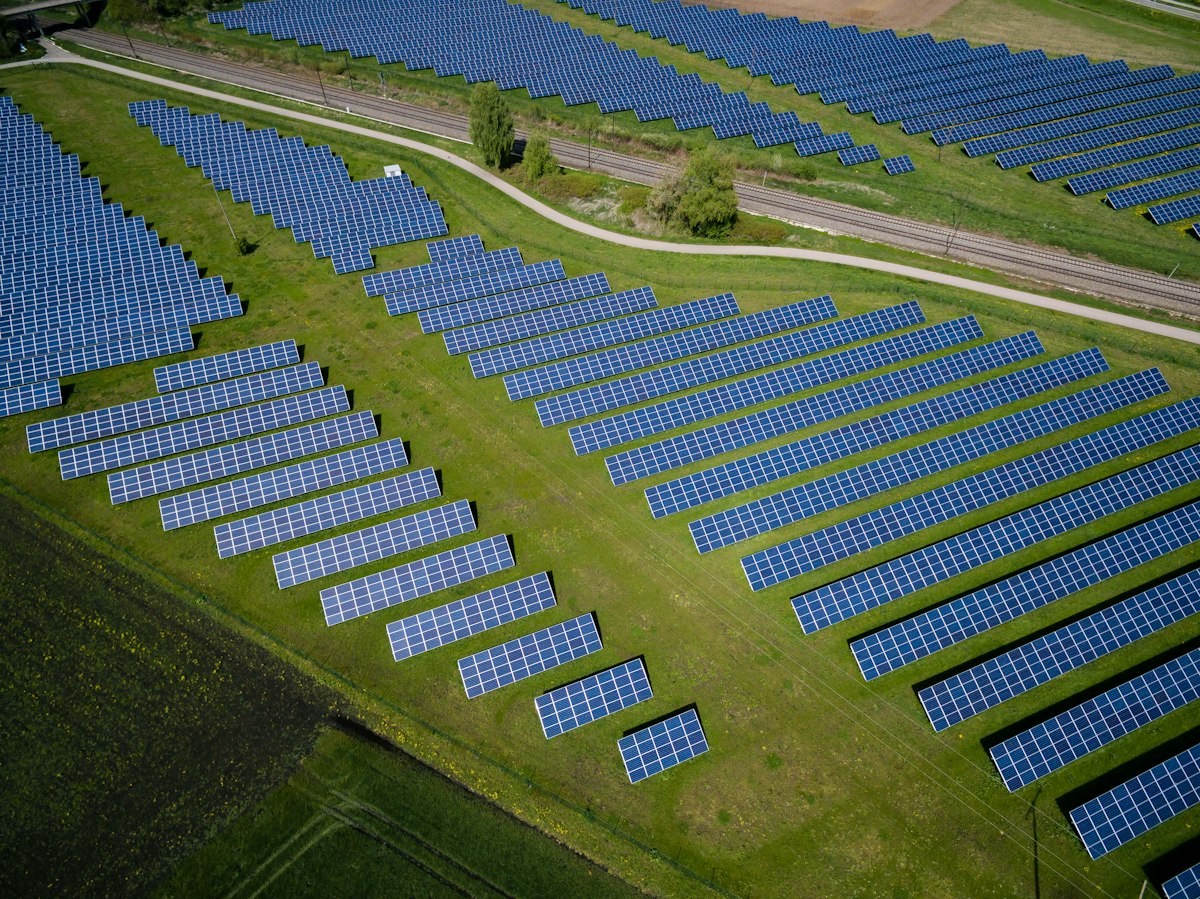
As concerns over climate change reach a fever pitch, solar energy companies in Texas are witnessing an unprecedented surge in investment, signaling a transformative shift in the state's energy landscape.
In the first half of 2026 alone, Texas saw a record $2.3 billion in solar investments, according to the Texas Renewable Energy Association (TREIA). This represents a 35% increase compared to the same period last year, underscoring the growing appetite for cleaner energy solutions.
Major players in the industry, such as Austin-based Array Technologies and SunPower Corp, are leading the charge with ambitious projects aimed at boosting the state's solar capacity. Array Technologies, for instance, recently announced plans to expand its manufacturing facility in Austin, which is expected to create over 500 jobs by the end of 2027.
“The demand for solar energy is skyrocketing, and Texas is poised to become a leader in this sector,” said John Phillips, CEO of Array Technologies, during a recent press conference. “With our abundant sunshine and commitment to innovation, we are attracting significant capital that will help us scale our operations and reduce costs.”
The state’s transition towards renewables aligns with national trends as federal policies increasingly favor sustainable energy initiatives. The Biden administration's recent incentives for solar production are expected to further catalyze investment flows into Texas, drawing attention from both domestic and foreign investors.
Texas is now home to more than 13,000 solar jobs, with expectations of reaching 20,000 by 2028 if current investment trends continue. This rapid growth is not only beneficial for the environment but also contributes significantly to the Texas economy through job creation and technological innovation.
However, challenges remain. The state’s energy grid, which has faced scrutiny following the February 2021 winter storm, is in need of upgrades to support the influx of renewable energy sources. Energy experts argue that without significant infrastructure investment, the success of solar projects could be hampered.
“We need to ensure our grid can handle the variability of solar energy production,” warned Linda Martinez, an energy policy analyst with the Texas Public Utility Commission. “Investing in grid improvements must go hand in hand with our renewable energy expansion efforts.”
As Texas continues to embrace solar energy, the state positions itself as a key player in the national energy transition, balancing economic growth with environmental responsibility.