
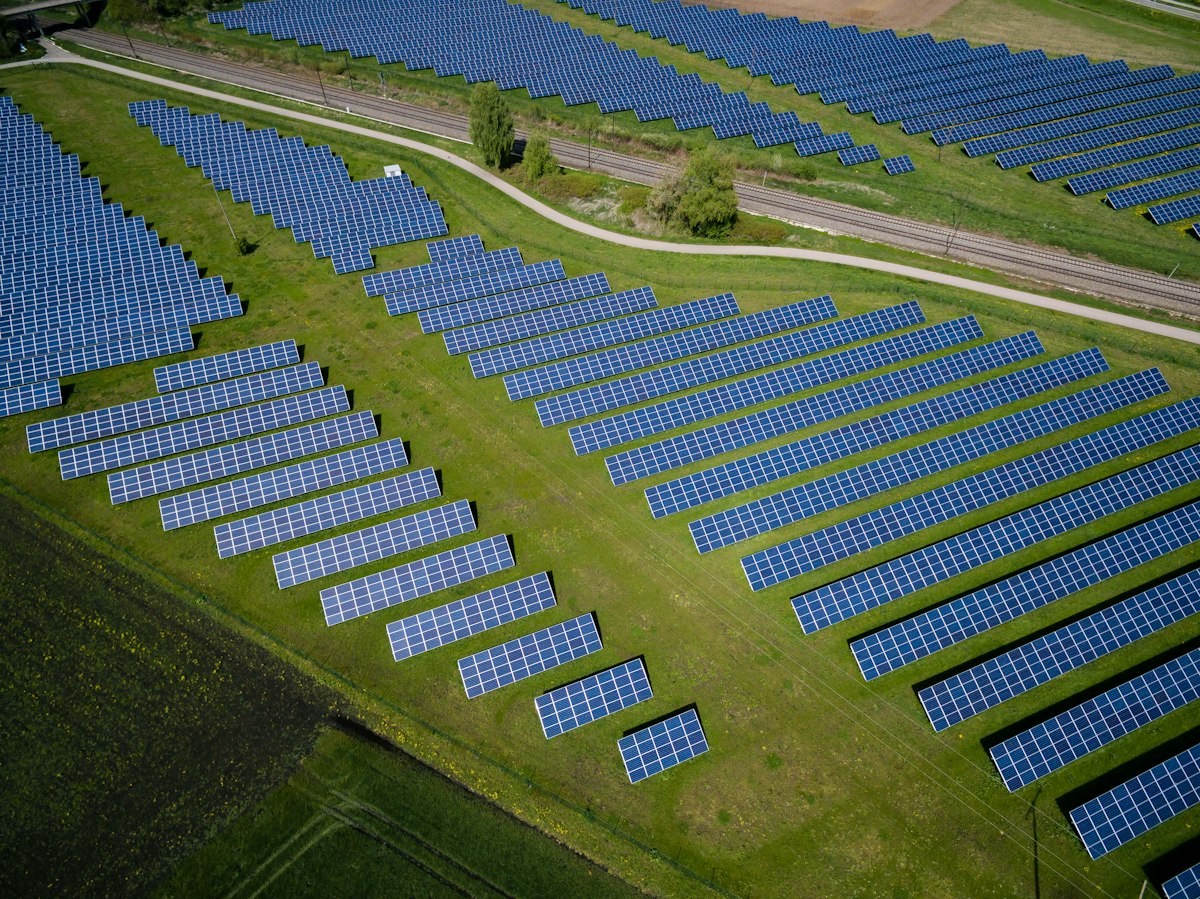
Texas has achieved a significant milestone in its renewable energy landscape, with solar power capacity exceeding 30 gigawatts as of July 2026.
This achievement positions Texas as the largest solar energy producer in the United States, overtaking California for the first time. Fueling this growth is a combination of favorable policies, technological advancements, and an increasing commitment from corporations to source renewable energy.
According to the Electric Reliability Council of Texas (ERCOT), the state’s solar capacity has more than doubled since 2020, reflecting a broader trend towards sustainable energy solutions. In the past year alone, more than 6 gigawatts of new solar projects have come online, significantly bolstering the state’s energy portfolio.
“The rapid expansion of solar energy in Texas is not just a testament to our abundant sunlight; it’s a clear signal of the market's shift towards sustainable practices,” said Ruth Martinez, VP of Renewable Energy at Texas Power Solutions. “Companies are increasingly prioritizing clean energy as part of their operational strategies.”
Significant investments from major corporations have played a critical role in this energy transition. For instance, Amazon recently announced a multi-billion-dollar partnership with Texas-based solar farms to power its data centers, aiming for 100% renewable energy by 2030.
Moreover, local governments such as Austin and Dallas are establishing ambitious solar initiatives, promoting community solar programs that allow residents to invest in solar projects collectively. These programs not only reduce energy costs for participants but also bolster local job creation.
Despite the challenges posed by fluctuating energy prices and regulatory hurdles, the outlook for solar energy in Texas remains bright. Analysts project that solar capacity could reach as high as 50 gigawatts by 2030 if current trends continue.
The rise of solar energy is part of a broader strategy to diversify Texas's energy mix, which has historically relied heavily on fossil fuels. As the state grapples with climate change and environmental concerns, these renewable initiatives may prove critical in shaping a more sustainable future.
As of now, Texas leads the nation not only in solar energy but also in wind power, solidifying its status as a leader in the renewable energy sector. The state now accounts for over 25% of the total U.S. renewable energy generation, a figure that is expected to grow as more projects come online.