
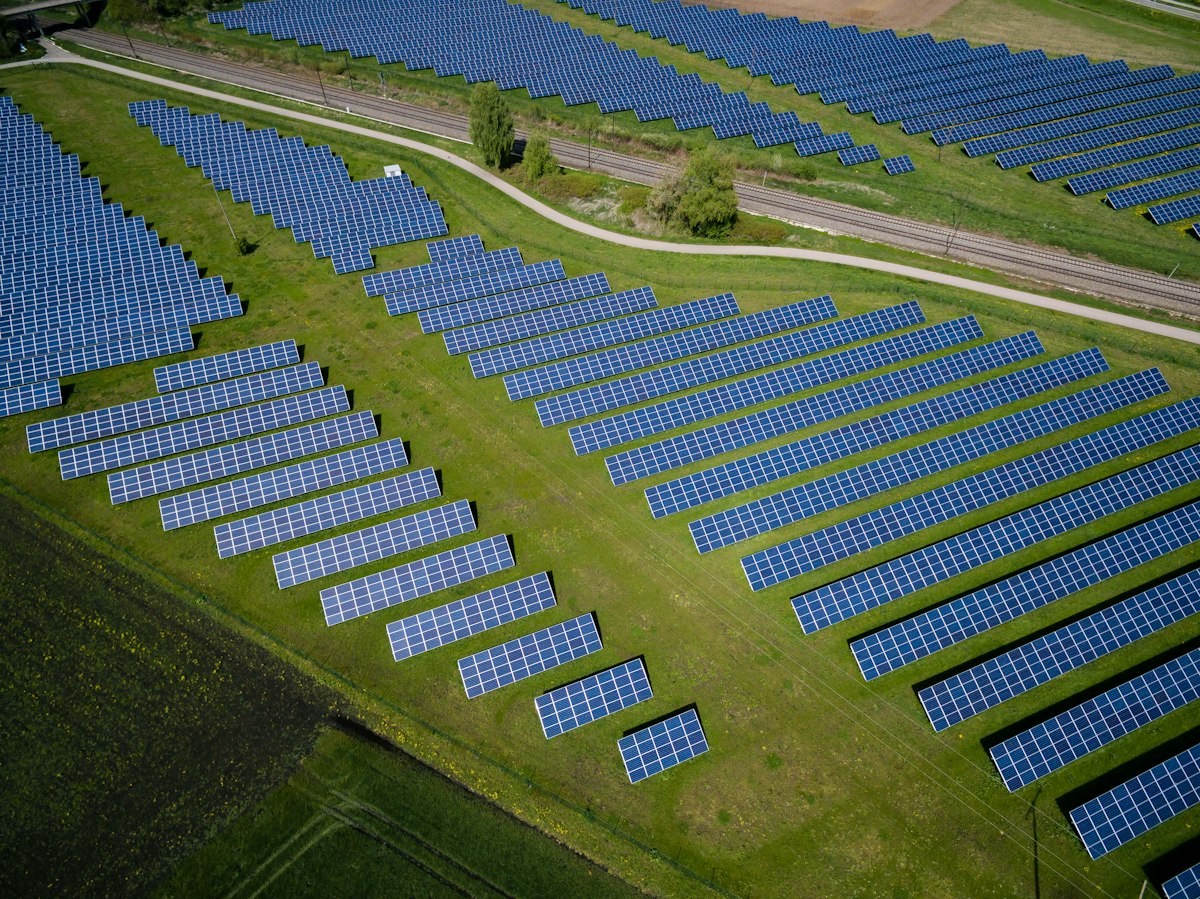
As the demand for renewable energy escalates nationwide, Texas has emerged as a frontrunner in solar energy production, boasting an installed capacity of over 35 gigawatts by mid-2026.
According to the Electric Reliability Council of Texas (ERCOT), solar energy accounted for nearly 25% of the state's total energy generation in recent months, reflecting a significant leap from just 10% a year earlier. Texas leads the nation in solar installations, with projects scattered across the state, from the sprawling fields of West Texas to the urban rooftops of Austin.
The surge in solar capacity is predominantly driven by falling costs and increasing investments from both private and public sectors. Major players such as NextEra Energy and First Solar have initiated extensive projects, including NextEra's $1.5 billion investment in the Horizon Solar Farm located near Abilene, which is projected to generate enough power to supply around 200,000 homes.
“The shift towards solar is not just a trend but a necessary evolution in our energy landscape,” said Dr. Sarah Thompson, a senior energy analyst at the Texas Energy Institute. “With such vast land and abundant sunlight, Texas is uniquely positioned to lead the solar revolution.”
The state's favorable policies, including the Texas Renewable Energy Credit (REC) program, have also contributed to the burgeoning solar market. These incentives make it attractive for investors and developers to jump into Texas' solar arena.
Environmental advocates laud the rapid expansion of solar as a critical step toward reducing Texas’ carbon footprint. However, they urge caution regarding the potential impacts on wildlife habitats and water resources during the development phases.
Furthermore, forecasts by BloombergNEF suggest that Texas could double its solar capacity to 70 gigawatts by 2030 if the momentum continues. But as more energy moves to renewables, traditional energy sectors, particularly natural gas, face increasing competition.
As the state moves forward, balancing the integration of solar energy with existing grid infrastructure will be paramount. ERCOT has acknowledged the need for enhancements to the grid to accommodate this influx of renewables effectively.
In conclusion, Texas is not only on track to solidify its position as a leader in the solar energy market but also plays a pivotal role in the broader transition to sustainable energy sources across the United States.