
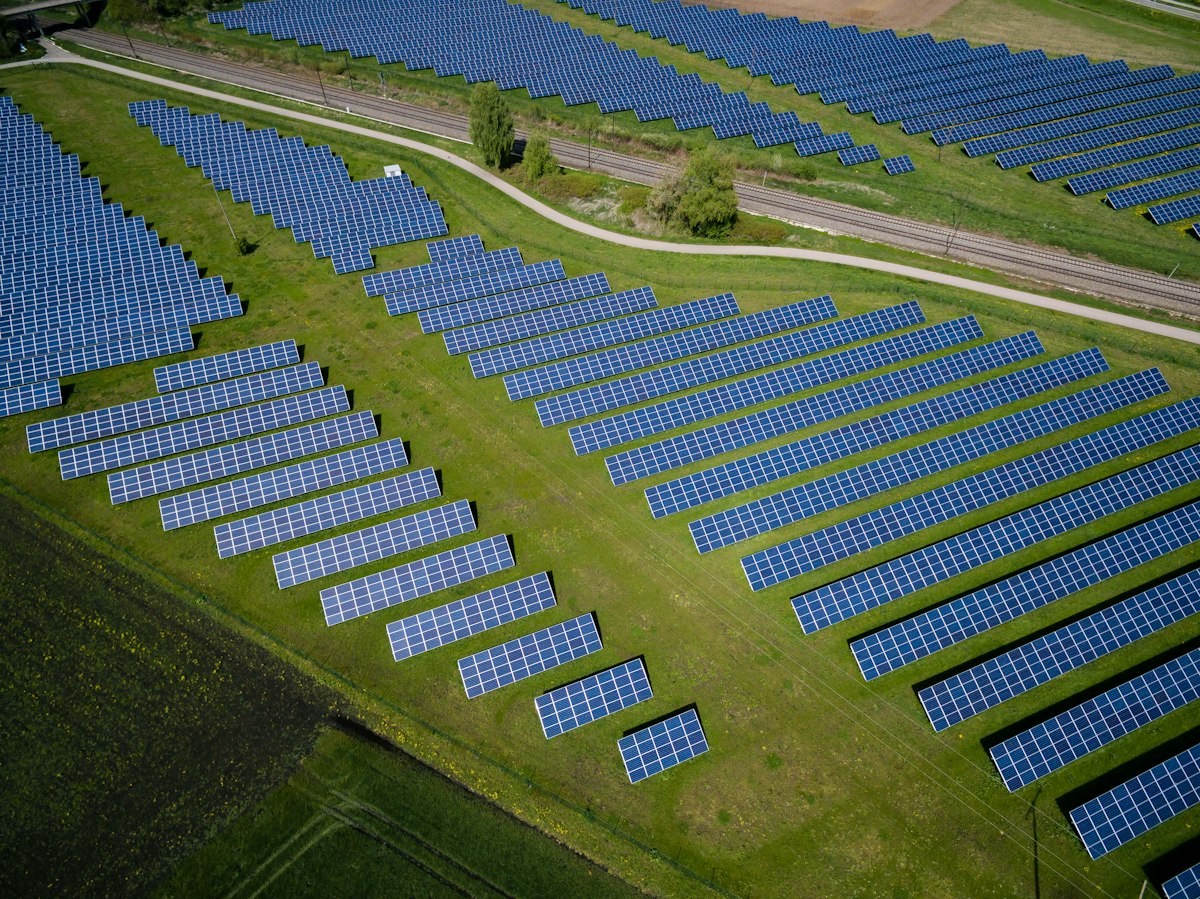
As the summer sun blazes down on Texas, the state’s solar energy capacity has reached an unprecedented peak, with recent reports indicating that solar installations have soared to over 30 gigawatts (GW) by mid-2026. This marks a significant increase of 25% compared to the previous year, showcasing Texas’s commitment to renewable energy amidst skyrocketing demand.
The Texas Renewable Energy Industry Alliance (TREIA) reported that solar power now accounts for nearly 20% of the state’s energy generation. The rapid expansion is largely attributed to favorable state policies and technological advancements that have dramatically reduced the cost of solar panel installations. In 2025, the average price of utility-scale solar projects fell to about $1,000 per megawatt-hour, making it increasingly attractive for investors.
Austin-based solar company, SunPlex, has emerged as a frontrunner in this expanding market. According to CEO Maria Gonzalez, "The growth we've seen this year is not just a trend but a transformation in how Texas approaches energy. Our projects are designed to harness the vast solar potential Texas has to offer, providing cleaner alternatives for both residential and commercial users."
In 2025 alone, Texas added over 5 GW of solar capacity, making it the largest solar market in the United States. The state’s commitment to renewable energy aligns with the federal government's objectives to reduce greenhouse gas emissions by 40% by 2030. As more companies pivot towards sustainable practices, the race for renewable sources of energy has become a critical focal point for the Lone Star State.
The increasing solar adoption is also supported by various local incentives, such as the Texas Solar Incentive Program, which provides financial support for new installations. Cities like San Antonio and Dallas have implemented robust solar initiatives aiming for 100% renewable energy by 2040. San Antonio’s City Public Service (CPS) Energy has already committed to investing $1.5 billion to expand its renewable energy portfolio.
While the boom in solar capacity is promising, challenges remain. Grid reliability and energy storage capacity are significant concerns as solar energy production is inherently intermittent. The Electric Reliability Council of Texas (ERCOT) has acknowledged the need for enhanced infrastructure to accommodate the increasing influx of solar-generated electricity. "We must ensure that our grid can handle the variability of solar energy while maintaining reliability for consumers," said ERCOT spokesperson James Lee.
Despite these challenges, the outlook for Texas's solar energy market appears bright. Analysts project that by 2030, solar capacity could triple, further solidifying Texas's role as a leader in the renewable energy sector. In addition to environmental benefits, this shift to solar is expected to create thousands of jobs across the state, providing a much-needed boost to local economies.