
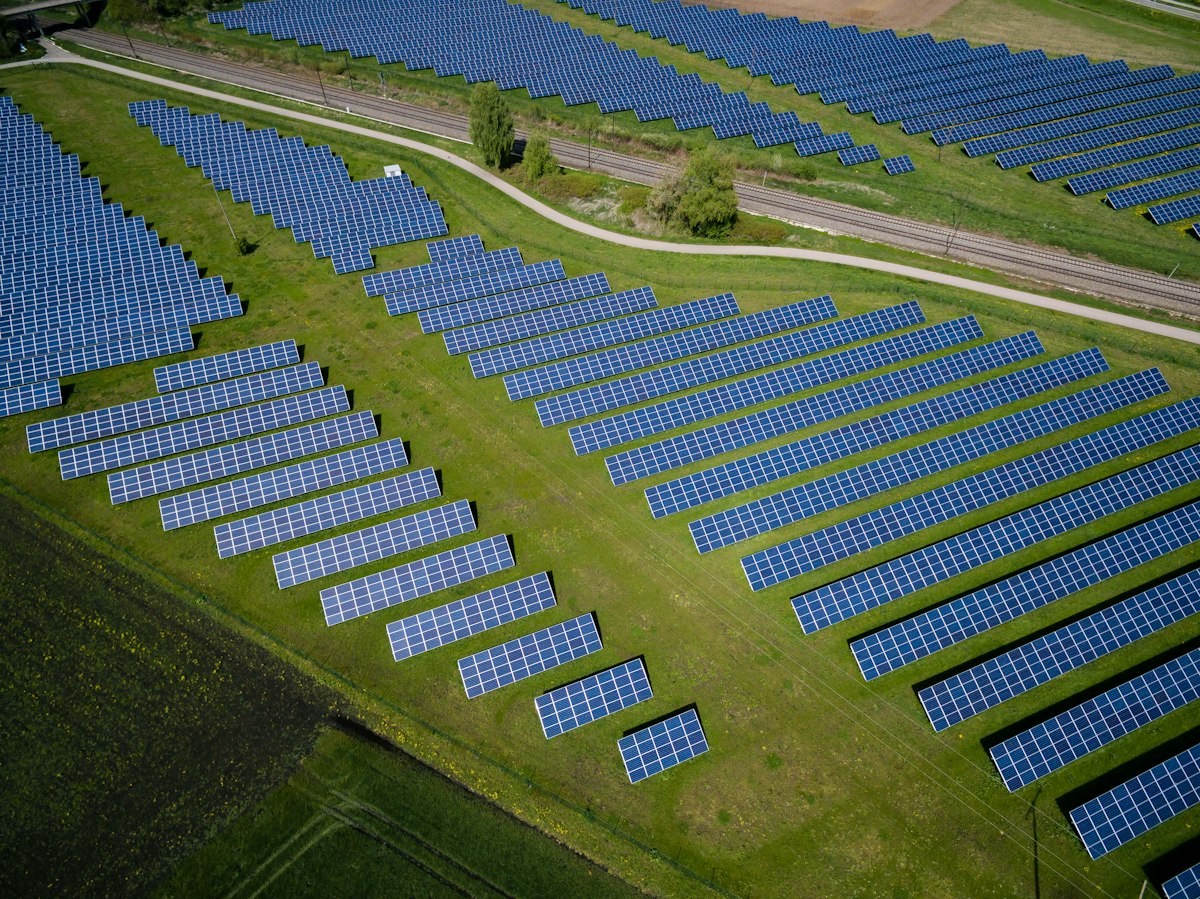
As global oil prices remain volatile, Texas is doubling down on its commitment to renewable energy, positioning itself as a leader in the transition towards a more sustainable energy future.
In a recent announcement, the Texas Renewable Energy Association (TREIA) revealed that the state has surpassed a significant milestone—30% of its energy production now comes from wind and solar sources. This shift is attributed to a combination of favorable state policies, technological advancements, and increasing demand from consumers for cleaner energy options.
“The transition to renewables is not just a trend; it’s a necessity for our future,” said TREIA Executive Director, Angela McCoy. “Texas has the resources and the will to lead this charge, and we are seeing the results in our energy portfolio.”
The Texas grid operator, ERCOT, reported that during peak production times in June 2026, renewable sources accounted for nearly 50% of the energy supplied to the grid. This trend has prompted utilities across the state to invest heavily in renewable infrastructure, with major players like NextEra Energy and Enel Green Power investing over $2 billion in new solar and wind farms set to come online by 2028.
Despite the progress, challenges remain, particularly in energy storage and grid reliability. ERCOT CEO, Bill Magness, emphasized the need for enhanced battery technology and a more robust grid system to ensure the stability of renewable energy supplies. “We are making strides, but we cannot ignore the importance of a resilient grid to support this growth,” he noted.
While the oil and gas industry continues to play a significant role in Texas's economy, the increasing reliance on renewables reflects a broader shift in energy consumption patterns across the United States. Analysts predict that by 2030, Texas could lead the nation in renewable energy production, potentially surpassing California.
As part of this transformation, Texas cities like Austin and Dallas are implementing ambitious sustainability initiatives aimed at reducing carbon emissions by 50% by 2030. Local governments are partnering with energy companies to improve energy efficiency in buildings and promote electric vehicle usage.
In conclusion, the combination of market dynamics and regulatory support is accelerating Texas's transition to a more diversified energy portfolio. This movement not only addresses environmental considerations but also positions the state favorably in the evolving global energy landscape.