
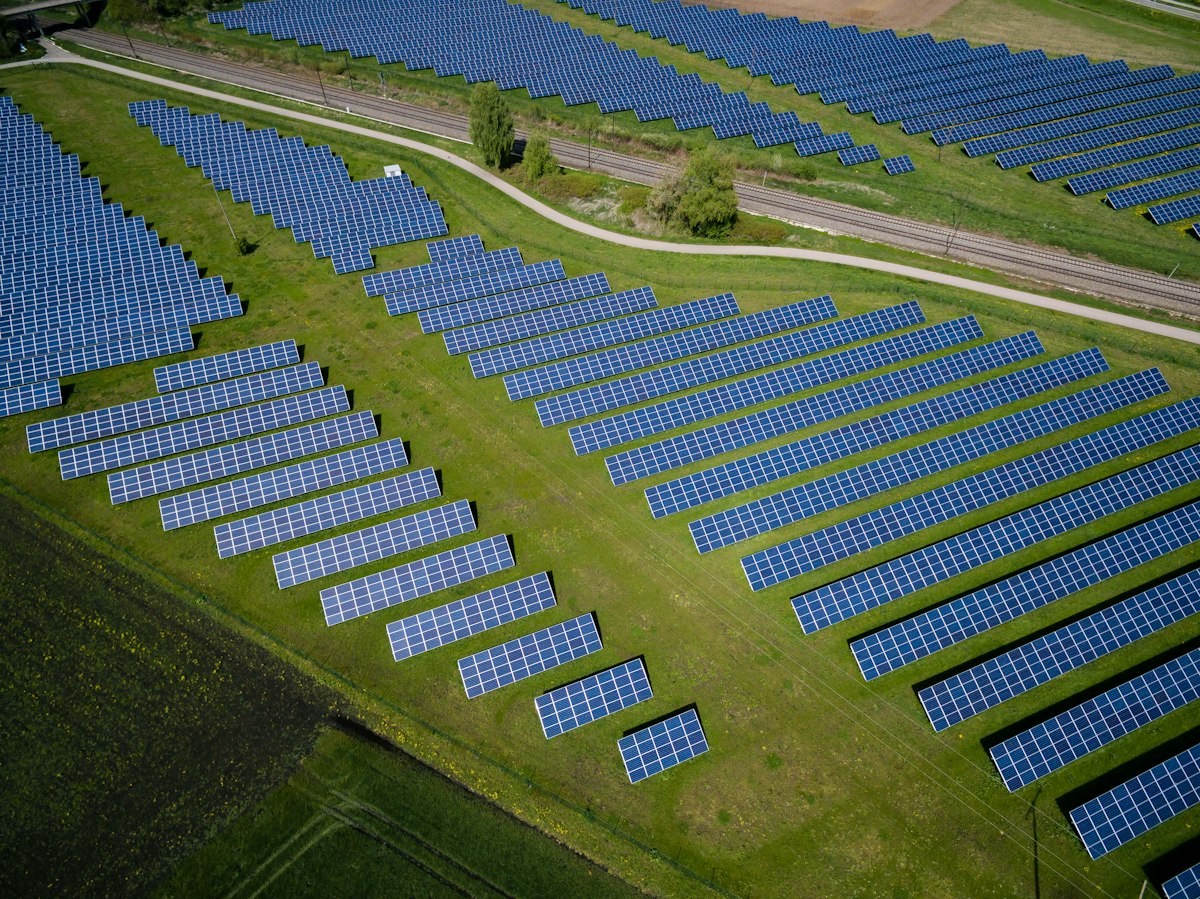
In a landmark move, the Texas government announced a new set of renewable energy targets aimed at reducing the state's reliance on fossil fuels while accommodating soaring energy demand.
The Texas Energy Commission declared that the state intends to achieve a 50% share of renewable energy in its power generation mix by 2030, up from the current 30%. This ambitious plan comes as Texas wrestles with an energy demand that has surged by 15% over the past five years, driven largely by population growth and a booming tech industry.
“This is not just about meeting today’s energy needs; it’s about preparing for the future,” said Sarah Martinez, chairperson of the Texas Energy Commission. “With our growing population and economy, we need to invest in clean energy solutions that will sustain us for decades to come.”
The new targets align with a broader national trend toward sustainability, as other states also ramp up their renewable initiatives. The latest data from the U.S. Energy Information Administration indicates that Texas already leads the nation in wind energy production, contributing roughly 25% of the country's total wind output.
The push for renewable energy has drawn significant investment, with over $20 billion poured into solar and wind projects in Texas just last year. Corporations like NextEra Energy and Cypress Creek Renewables are poised to expand their operations in the state, eyeing opportunities to capitalize on the favorable market conditions.
While the state’s commitment to renewables is commendable, energy analysts warn that challenges remain. The state’s grid, heavily reliant on natural gas, must be fortified to handle increased renewables without compromising reliability.
Furthermore, as Texas prepares to phase out carbon-intensive energy sources, the transition may affect jobs in traditional energy sectors. “We are committed to ensuring a just transition for workers in fossil fuel industries,” added Martinez. “We want to create new job opportunities in renewable sectors and ensure that no one is left behind.”
In the coming months, the Texas Energy Commission will outline the necessary regulatory changes to facilitate this transition, focusing on incentives for clean energy investments and improved grid technologies. Stakeholders anticipate that public hearings will draw significant attention as citizens weigh in on the future of energy in the state.
With new targets on the horizon, Texas stands at a crossroads, balancing economic growth with its environmental responsibilities. The decisions made in the next few years will likely shape the state’s energy landscape for generations to come.