
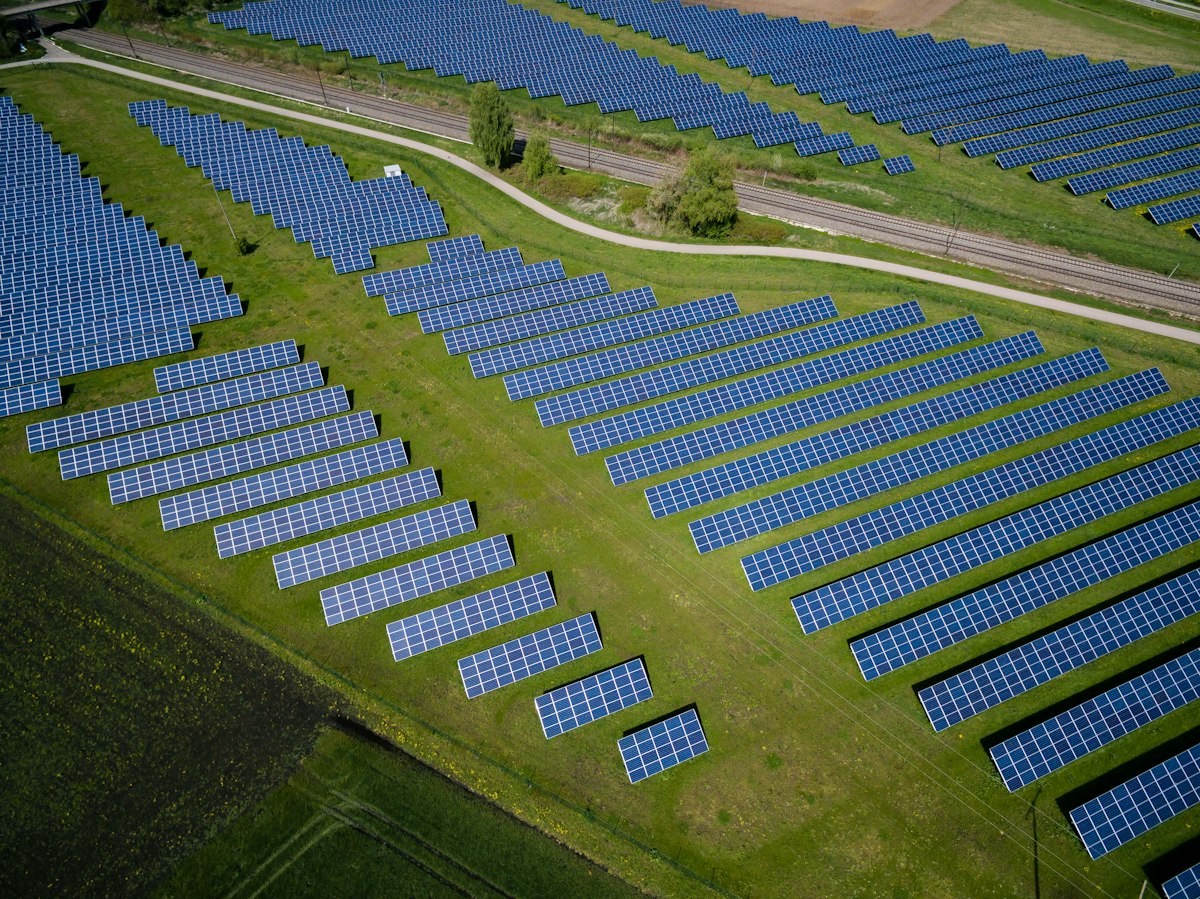
As Texas continues to lead the nation in energy production, state officials have announced new ambitious goals aimed at increasing renewable energy sources significantly by 2030.
On July 8, 2026, during a press conference in Austin, Governor Greg Abbott revealed plans to reach 50% renewable energy generation by the end of the decade. This initiative is part of the state’s broader commitment to combat climate change and transition to cleaner energy sources. Currently, Texas ranks as the top producer of wind energy in the United States, generating over 30% of the nation’s wind power.
“Texas has always been about energy independence and innovation. This new goal sets us on a path to not only ensure energy security but to lead the charge in clean energy technology,” Abbott stated. The governor emphasized the importance of both economic growth and environmental sustainability in this transition.
To achieve this ambitious target, the Texas Energy Board has outlined a multi-billion dollar investment plan focusing on solar and wind infrastructure. Projections indicate that investments could exceed $50 billion through 2030, creating thousands of jobs in construction, manufacturing, and maintenance sectors.
Renewable energy companies, including major players like NextEra Energy and Enphase Energy, have already begun expanding their operations in Texas. In particular, NextEra is planning to invest $25 billion in new wind and solar projects across the state, which will further solidify Texas's leadership in renewable energy.
While there is optimism surrounding this initiative, challenges remain, particularly regarding grid reliability and storage capabilities. Experts warn that increasing reliance on intermittent resources like wind and solar requires substantial upgrades to the state’s energy infrastructure. “The challenge will be in balancing the grid and ensuring that when the sun isn’t shining and the wind isn’t blowing, Texans still have access to power,” said Dr. Emily Wright, a renewable energy analyst at the University of Texas.
The new policy has generated mixed reactions among Texans. Environmental groups have lauded the initiative, asserting that it marks a significant step toward reducing greenhouse gas emissions in the state. Conversely, some fossil fuel advocates argue that Texas should not abandon its oil and gas roots, which have historically provided jobs and economic stability.
Local governments are also gearing up for this transition. The City of Houston has initiated several programs aimed at enhancing energy efficiency in public buildings, targeting a 20% reduction in energy consumption by 2030. Houston's Mayor, Sylvester Turner, stated, “We are committed to making our city a leader in sustainability while ensuring that our communities thrive economically.”
As stakeholders across Texas prepare for this energy evolution, it remains clear that the state’s future will hinge on its ability to blend traditional energy sources with innovative renewable technologies. The coming years will reveal whether Texas can maintain its energy dominance while embracing a cleaner, more sustainable future.