
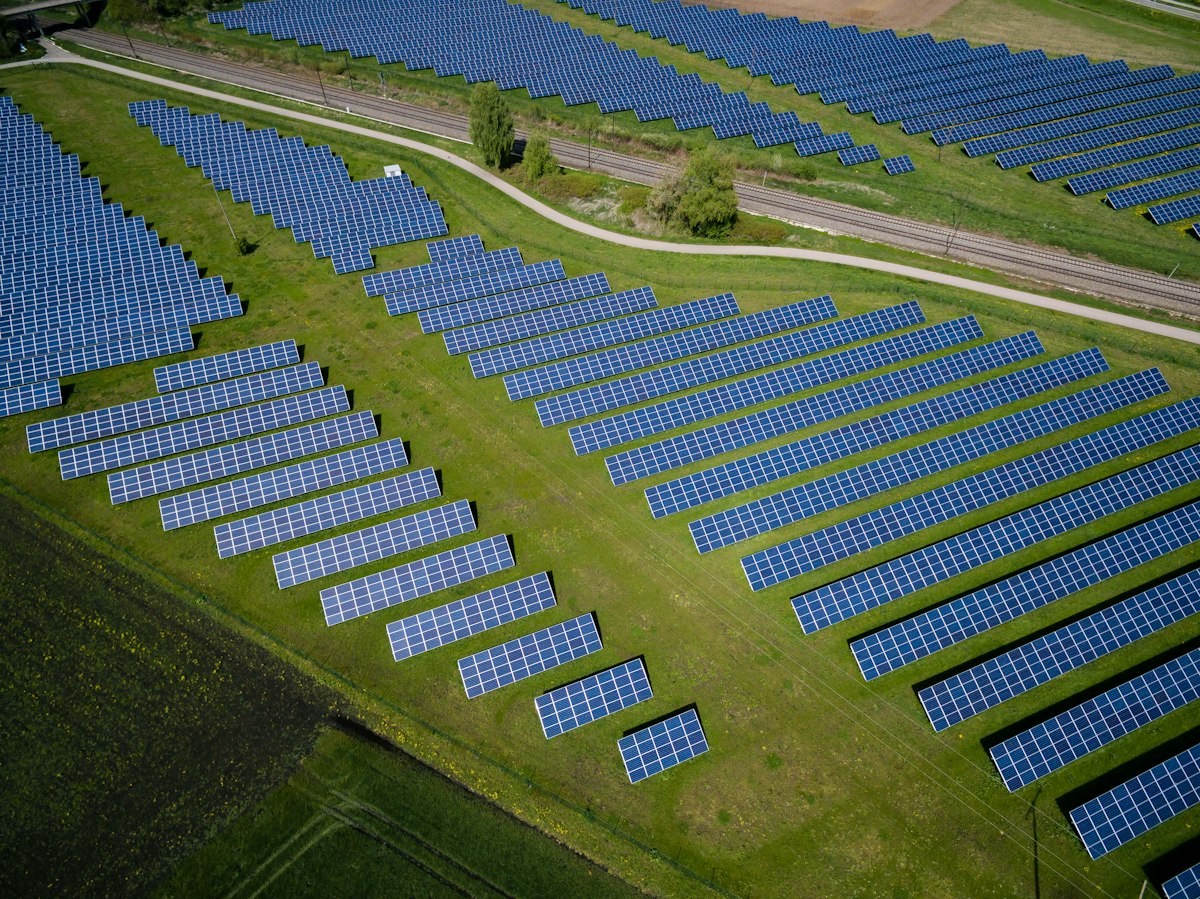
In a bold response to the escalating energy demands of its rapidly growing population, Texas regulators have announced a target to achieve 30% renewable energy in the state's power mix by 2030. This initiative, part of a broader strategy to cut carbon emissions, comes as the state grapples with the challenges posed by climate change and an increasing reliance on sustainable energy sources.
The Texas Public Utility Commission (PUC) revealed the ambitious plan during a press conference on July 10, 2026. "Our state has a long history of being at the forefront of energy production, and it's time we lead the way in renewable energy as well," remarked PUC Chairman Peter Lake. He emphasized the need to transition to cleaner sources, stating, "This plan not only addresses our environmental responsibilities but also aligns with the economic growth we are experiencing. We must prepare for the future, and that future is sustainable."
Currently, Texas derives roughly 25% of its energy from wind and solar sources, making it a national leader in renewable energy production. The new target signifies an increase in investment in solar farms, wind energy facilities, and energy storage solutions across the state. Major players in the energy sector, such as NextEra Energy and Brookfield Renewable Partners, are already ramping up their investments in Texas, eyeing opportunities to expand their renewable portfolios.
Dallas-based energy consultancy firm Wood Mackenzie projects that reaching the 30% goal will require an estimated investment of $30 billion over the next few years. "The scale of investment needed is substantial, but the long-term benefits in terms of job creation and energy security will be worth it," noted Laura Duffy, a senior analyst at Wood Mackenzie.
Despite the promising outlook, the state's ambitious targets face challenges. Concerns over the intermittency of renewable sources and the need for a robust energy grid remain paramount. The Texas grid, managed by the Electric Reliability Council of Texas (ERCOT), has faced scrutiny following power outages during extreme weather events. ERCOT’s CEO, Bill Magness, acknowledged these challenges, stating, "While we are committed to integrating more renewable sources, the reliability of our grid must not be compromised. We are actively working on solutions to ensure stability as we transition."
As Texas pushes forward with its renewable energy agenda, other states are closely watching. The ripple effect of Texas’s bold actions could inspire similar initiatives across the nation, positioning Texas not just as a leader in oil and gas, but as a formidable player in the renewable energy landscape.