
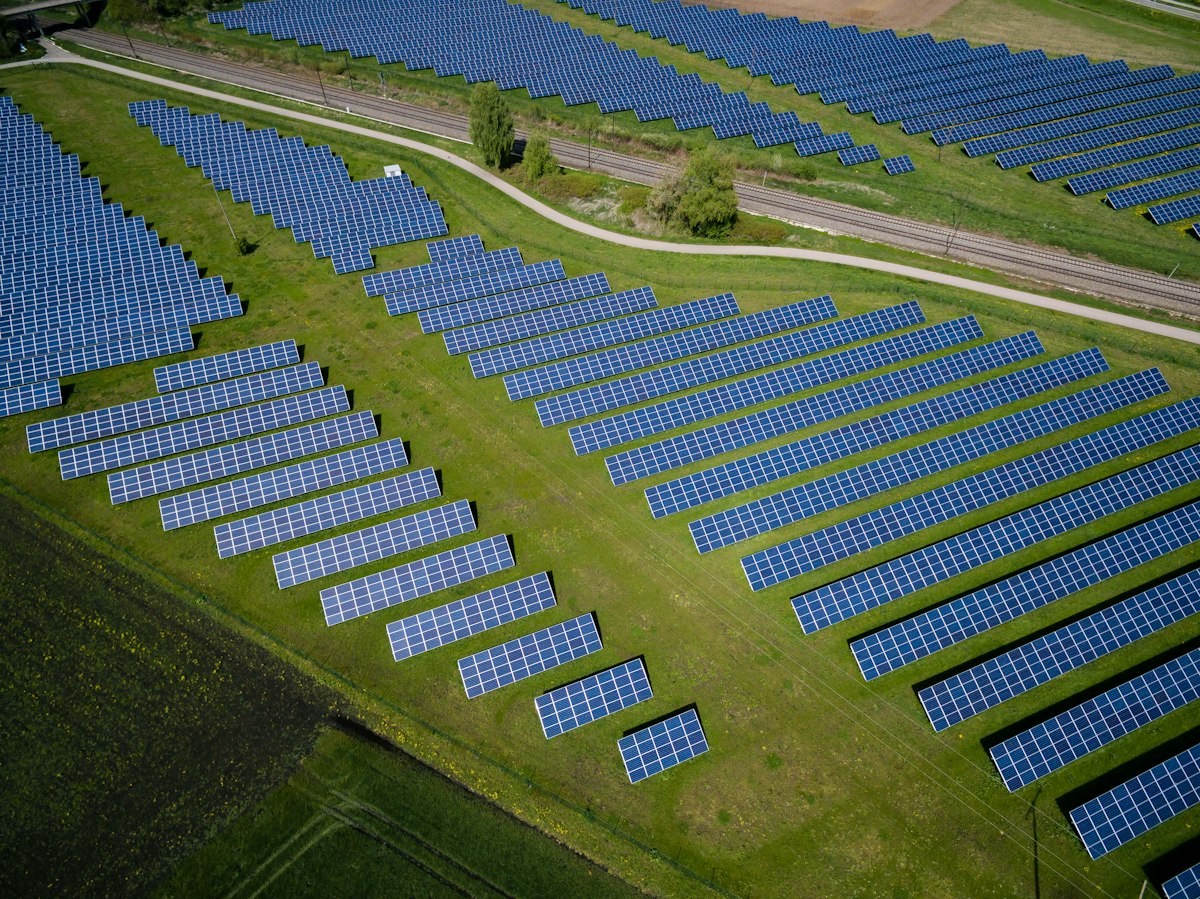
As the sun rises over Texas, the state is firmly positioned to claim its title as the United States' renewable energy powerhouse. By 2030, Texas is projected to increase its renewable energy capacity by 60%, as major companies invest over $50 billion into solar and wind projects.
In a recent announcement, the Electric Reliability Council of Texas (ERCOT) confirmed that the current capacity of renewable energy sources, largely driven by wind and solar, has surpassed 35% of the state's total energy generation. This marks a significant milestone in Texas's energy transition, with more than 36,000 megawatts (MW) of wind power already installed, making it the leading state in wind energy generation.
“The trends we are witnessing today reaffirm Texas’s leadership in renewable energy,” stated Bill Magness, CEO of ERCOT. “Our grid is evolving, and we are committed to integrating more renewable sources to ensure reliability and sustainability.”
Cities like Austin, San Antonio, and Dallas are spearheading local initiatives to promote renewable energy usage. Austin Energy has committed to achieving 100% carbon-free energy by 2030, while CPS Energy in San Antonio has set an ambitious target of reducing its carbon emissions by 50% within the same timeframe.
Moreover, a surge in corporate energy purchasing agreements has accelerated this transition. Tech giants such as Google, Facebook, and Amazon have signed deals with Texas-based renewable energy developers, contributing significantly to the state's goals. Google, for example, announced a new contract with a West Texas solar farm, expected to generate over 1,000 MW of energy by 2028.
Additionally, the Texas Legislature has approved new incentives for solar installations, including a tax credit program set to begin in 2027. This initiative aims to encourage homeowners and businesses to invest in solar panels, further driving down costs and increasing adoption rates across the state.
However, challenges remain. The growing reliance on renewable sources requires extensive upgrades to the state's transmission infrastructure. ERCOT has identified over $10 billion in necessary investments to modernize its grid, which will be crucial for transporting this renewable energy from rural areas to urban centers.
As Texas continues to expand its renewable energy portfolio, the implications for the global market are profound. The state is positioned not only to meet its own energy needs but also to supply excess power to neighboring states, thereby contributing to a more resilient national grid.