
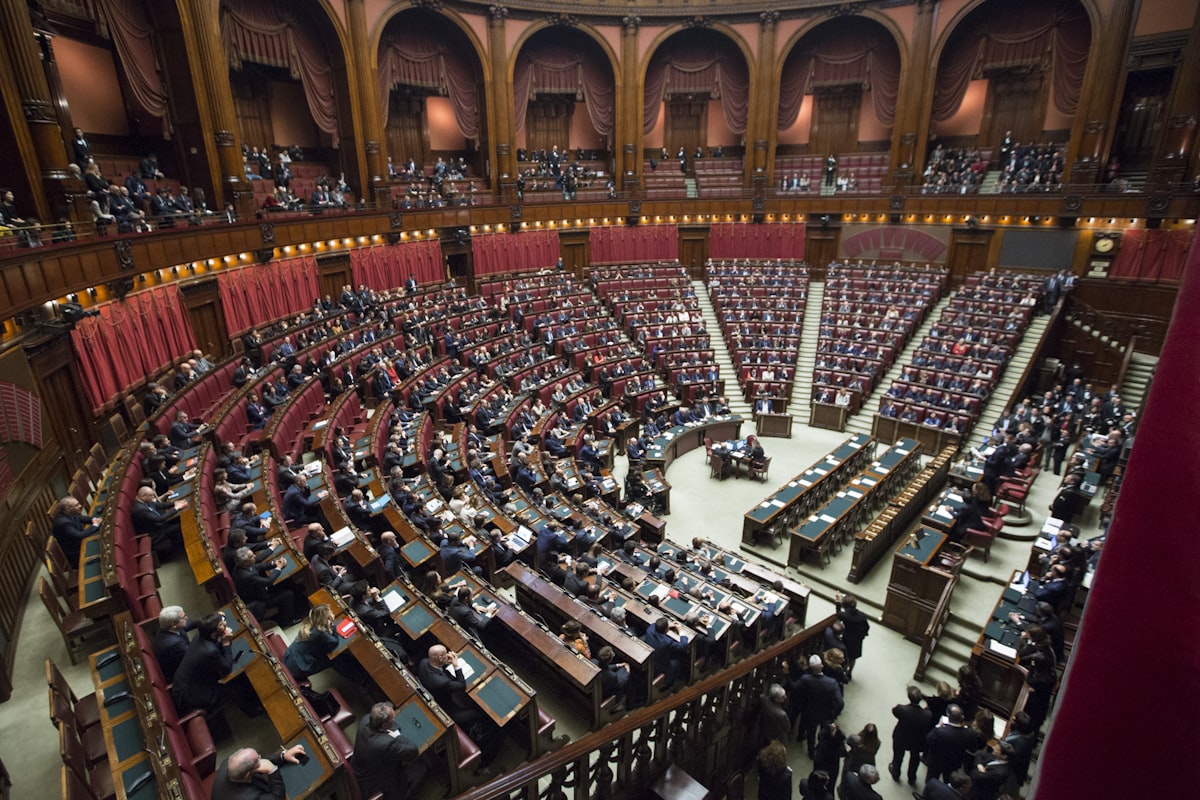
In a move that could reshape Texas' immigration landscape, the Texas Senate passed a sweeping immigration reform bill on July 25, 2026, aimed at tightening enforcement measures while providing pathways for legal residency.
Senate Bill 3923, introduced by Senator Anabelle Torres of San Antonio, seeks to enhance border security while facilitating work permits for certain undocumented immigrants. The legislation reflects a growing recognition of the labor shortage affecting many Texas industries, particularly agriculture and construction, which rely heavily on immigrant labor.
"This bill is about balancing security and compassion," Senator Torres stated during the press conference following the vote. "We need to ensure our borders are secure, but we also recognize the contributions that immigrants make to our economy. This is a step toward creating a system that works for everyone."
Under the new law, Texas will allocate an additional $200 million for border security enhancements, including surveillance technology and personnel. Simultaneously, the bill establishes a program for temporary work permits for immigrants who meet specific criteria, allowing them to contribute legally to the state's economy.
The legislation has sparked heated debates among lawmakers and community leaders. Advocates argue that the temporary work permit program could help alleviate labor shortages while allowing immigrants to contribute safely to the state. Conversely, critics worry that the increased enforcement measures may lead to racial profiling and civil rights violations.
Houston Mayor Lena Hidalgo expressed concerns over the bill's potential impact on local communities. "While I understand the need for security, we must ensure that we do not alienate those who have become integral members of our city," she remarked.
As Texas grapples with these complex issues, the immigration reform bill highlights the challenges facing lawmakers in balancing security with economic needs. The legislation now heads to the House for further consideration, where it is expected to face more scrutiny and amendments.