
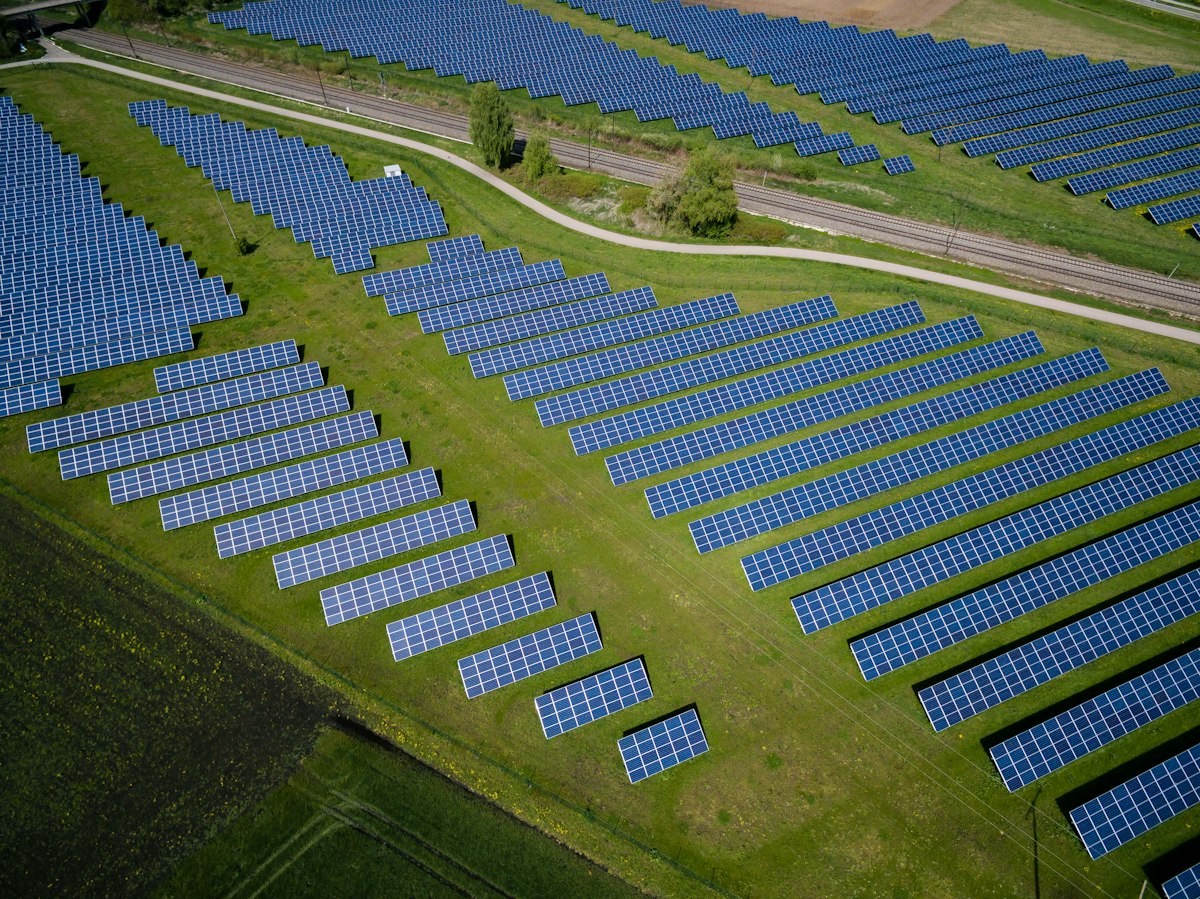
As the demand for renewable energy continues to rise, Texas has emerged as a frontrunner in sustainable energy investments, with solar and wind power leading the charge. Data from the Energy Information Administration (EIA) indicates that investments in renewable energy have surged by an astonishing 35% in the last year alone, reaching over $20 billion in 2025.
The Lone Star State's vast landscape, ideal for both solar farms and wind turbines, has attracted significant interest from major energy companies. Recently, NextEra Energy, one of the largest renewable energy developers in the country, announced plans to invest an additional $5 billion in new solar and wind projects throughout Texas by 2028. This investment is expected to generate more than 10,000 jobs during the construction phase.
“Texas is not just the leading oil producer in the U.S.; we are rapidly becoming the nation’s top renewable energy state,” said Tom Wright, CEO of NextEra Energy. “Our commitment to sustainable energy is paving the way for a cleaner future, and we are excited to invest in Texas.”
The Texas Public Utility Commission reports that the state now generates over 25% of its power from renewable sources, a figure that is expected to rise significantly in the coming years. The state’s Electric Reliability Council of Texas (ERCOT) forecasts that renewable energy could make up to 50% of the energy mix by 2030, propelled by both private and public sector investments.
In cities like Austin and Dallas, new solar farms are sprouting up, transforming vast tracts of land into energy-producing centers. The Austin Energy Solar Program reported a significant uptick in residential solar installations, with a 40% increase in the first half of 2026 compared to the previous year. This trend is indicative of a broader shift in consumer behavior, where environmentally-conscious Texans are eager to adopt cleaner energy solutions.
However, the transition to renewable energy isn’t without its challenges. Experts caution that the state’s aging electrical infrastructure must be upgraded to accommodate the intermittent nature of renewable sources. In response, the state government is working closely with energy companies to develop innovative solutions and ensure grid stability.
As Texas solidifies its position as a leader in the renewable energy sector, it remains to be seen how this shift will impact the traditional oil and gas industries that have long fueled the state’s economy. Nonetheless, the momentum towards clean energy is undeniable, and Texas is poised to play a critical role in shaping the nation’s energy landscape.