
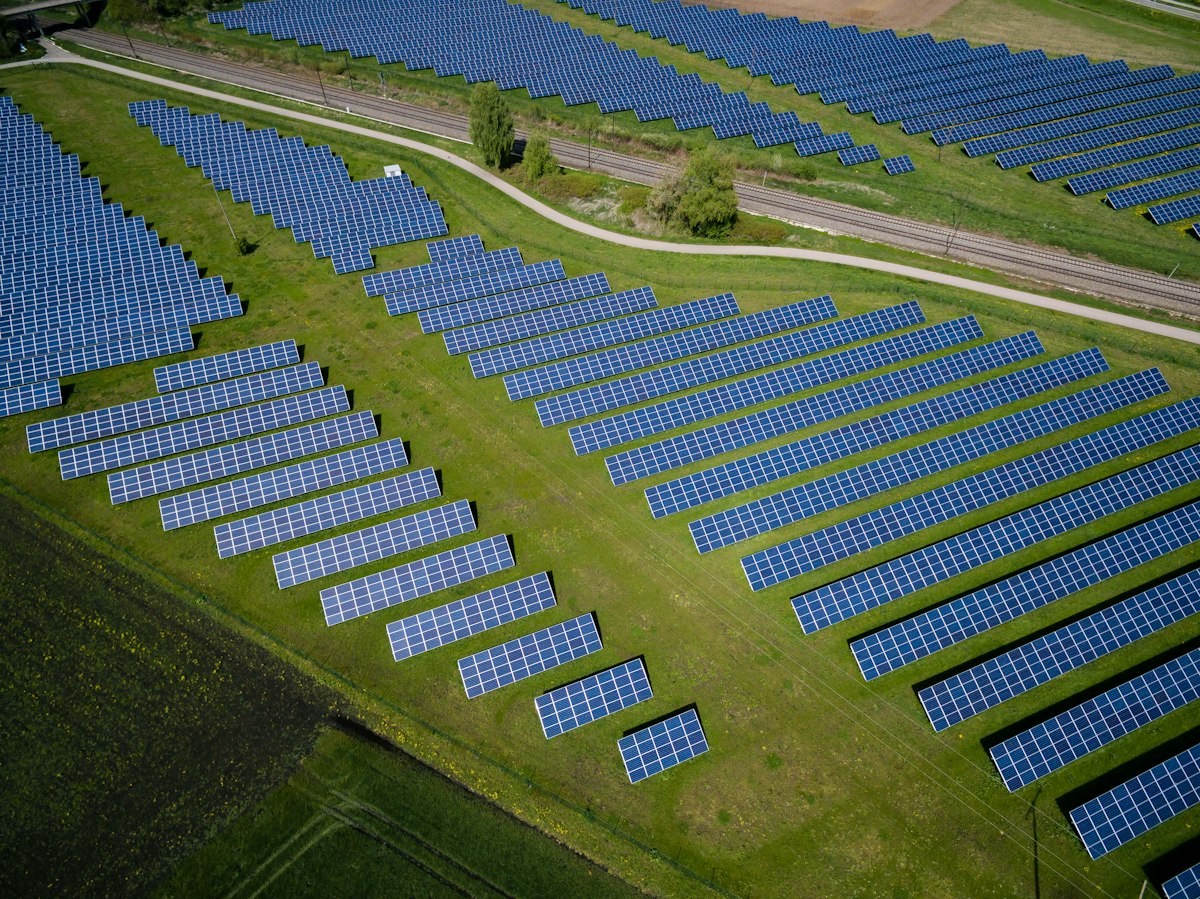
In a significant pivot towards renewable energy, Texas has attracted over $5 billion in new investments in solar and wind projects in the first half of 2026, spurred by recent state policy changes.
With legislation aimed at reducing carbon emissions and increasing energy efficiency, Texas' energy landscape is evolving rapidly. Notably, the Texas Public Utility Commission (PUC) has introduced measures to simplify the interconnection process for renewable projects, which has fueled interest among investors and developers.
"Texas is redefining its energy portfolio, and the influx of capital is a testament to the confidence investors have in our renewable resources," said Laura Sanchez, Executive Director of the Texas Renewable Energy Association. "The combination of favorable policies and our natural resources positions Texas as a beacon for clean energy investment."
Among the notable projects is a $1.2 billion solar farm being developed by Clearway Energy Group in the Hill Country, which is expected to generate enough electricity to power approximately 200,000 homes. The project is set to break ground in the fall of 2026 and aims for completion by mid-2028.
Additionally, wind energy remains a cornerstone of Texas’ energy strategy, with the state leading the nation in installed wind capacity. Recent data indicates that Texas has surpassed 35,000 megawatts of wind generation, accounting for nearly 25% of the state's overall electricity supply. This growth has been bolstered by a series of new wind farms in the Panhandle region.
However, the transition is not without its challenges. Critics argue that Texas must address the intermittency of renewable sources. Energy experts emphasize the need for enhanced battery storage solutions and grid upgrades to ensure reliability. "While the trajectory is promising, we cannot overlook the need for a robust infrastructure to support this transition," commented Dr. James Porter, a leading energy analyst in Austin.
As Texas continues to leverage its natural resources, the potential for job creation in the renewable sector is significant. The Texas Workforce Commission reports that jobs in renewable energy are projected to grow by 35% over the next five years, outpacing traditional fossil fuel jobs.
As the nation’s largest energy-producing state, Texas is setting a standard for how traditional energy hubs can adapt to a changing climate. The momentum gained from current investments and advancements in technology may well position Texas as a leader in the global clean energy transition.