
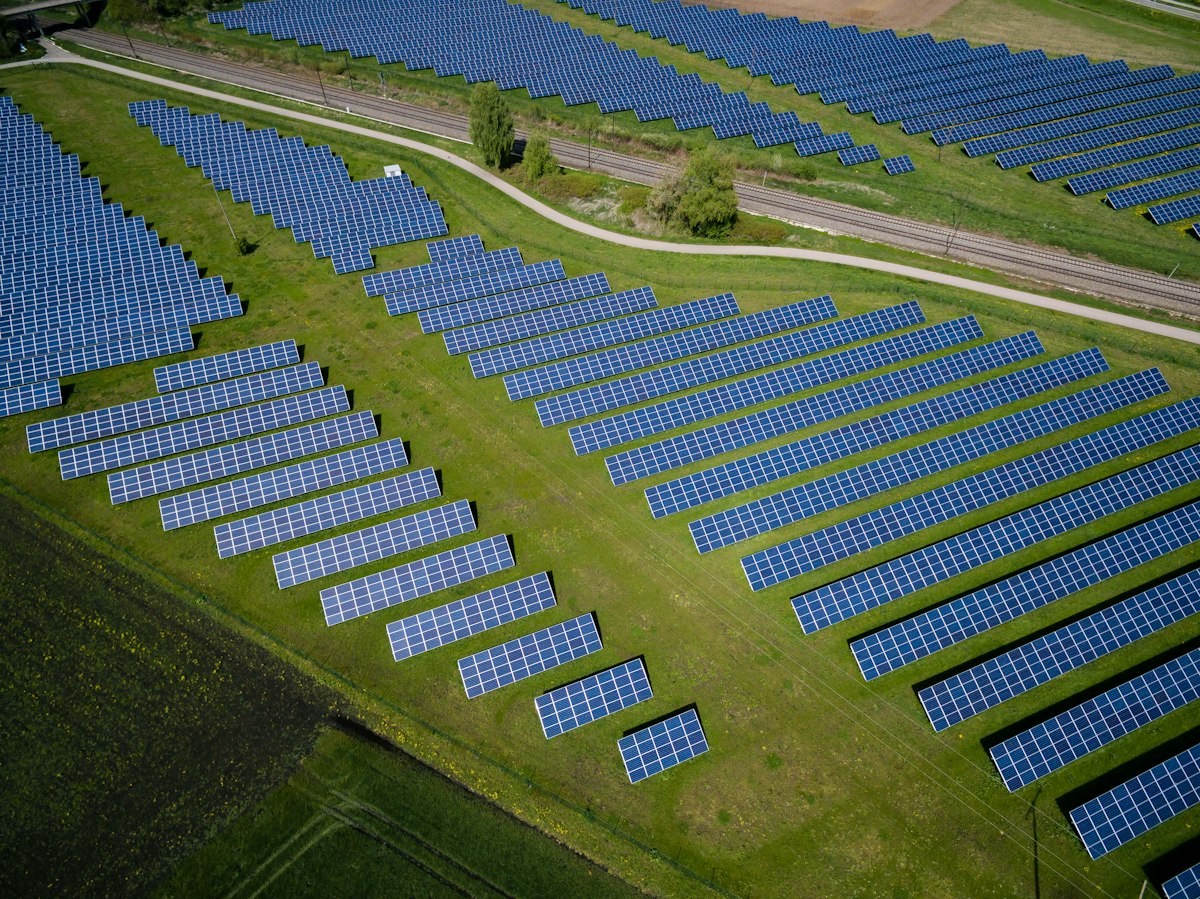
As Texas continues to lead the nation in renewable energy production, recent policy changes are catalyzing a surge in investments that are projected to reach an unprecedented $15 billion by the end of 2026.
The Lone Star State, known for its vast landscapes and abundant sunlight, has long been a hub for wind energy, but the recent enhancement of tax incentives for solar projects has sparked a remarkable shift. According to the Texas Renewable Energy Association, the state is now on track to generate over 40% of its energy from renewable sources by 2028.
“We are witnessing a robust transformation in our energy landscape,” stated Rebecca Smith, Executive Director of the Texas Renewable Energy Association. “The combination of federal tax credits and state-level incentives has created an environment ripe for investment.”
Major companies like NextEra Energy and Enphase Energy are ramping up their operations in Texas, with NextEra announcing plans for a $2.5 billion solar farm in Webb County. This project alone is expected to generate 1,200 megawatts of clean energy, enough to power approximately 300,000 homes.
Additionally, the Public Utility Commission of Texas has recently introduced new regulations that streamline the permitting process for solar installations, effectively cutting the timeline in half. These enhancements have made Texas an attractive destination for both domestic and international investors.
The policy shift is also bolstered by a growing public demand for cleaner energy solutions. Recent polls indicate that over 75% of Texans support increasing the use of renewable energy sources, reflecting a significant change in public sentiment.
Despite concerns about Texas’s traditional oil and gas sectors, experts believe the transition to renewables will complement rather than dismantle the existing infrastructure. “The oil and gas industry can coexist with renewables; it's a matter of strategic integration,” remarked Tommy Parker, a leading analyst at Energy Insights.
As the state marches toward a greener future, it is evident that Texas is not just adapting to the changing energy landscape, but is actively shaping it.