
As Texas grapples with soaring energy demands during the sweltering summer of 2026, state officials and utility companies are accelerating efforts to enhance the state's power grid.
According to the Electric Reliability Council of Texas (ERCOT), grid demand reached an unprecedented peak of 80,000 megawatts last week, surpassing projections by more than 10%. The surge has necessitated a swift response from both public and private sectors to ensure reliability and prevent outages.
Governor Greg Abbott emphasized the critical need for infrastructure upgrades during a press conference on July 15, stating, “Our energy grid must be resilient enough to handle extreme conditions. We are committed to investing in technologies that will enhance our capacity and reliability.”
In response, utility providers like Oncor and CenterPoint Energy are collaborating with ERCOT to implement a $2.5 billion plan aimed at bolstering grid capacity. This initiative includes the installation of new transmission lines and the expansion of existing facilities in key areas, particularly around Houston and Dallas, where demand has surged most dramatically.
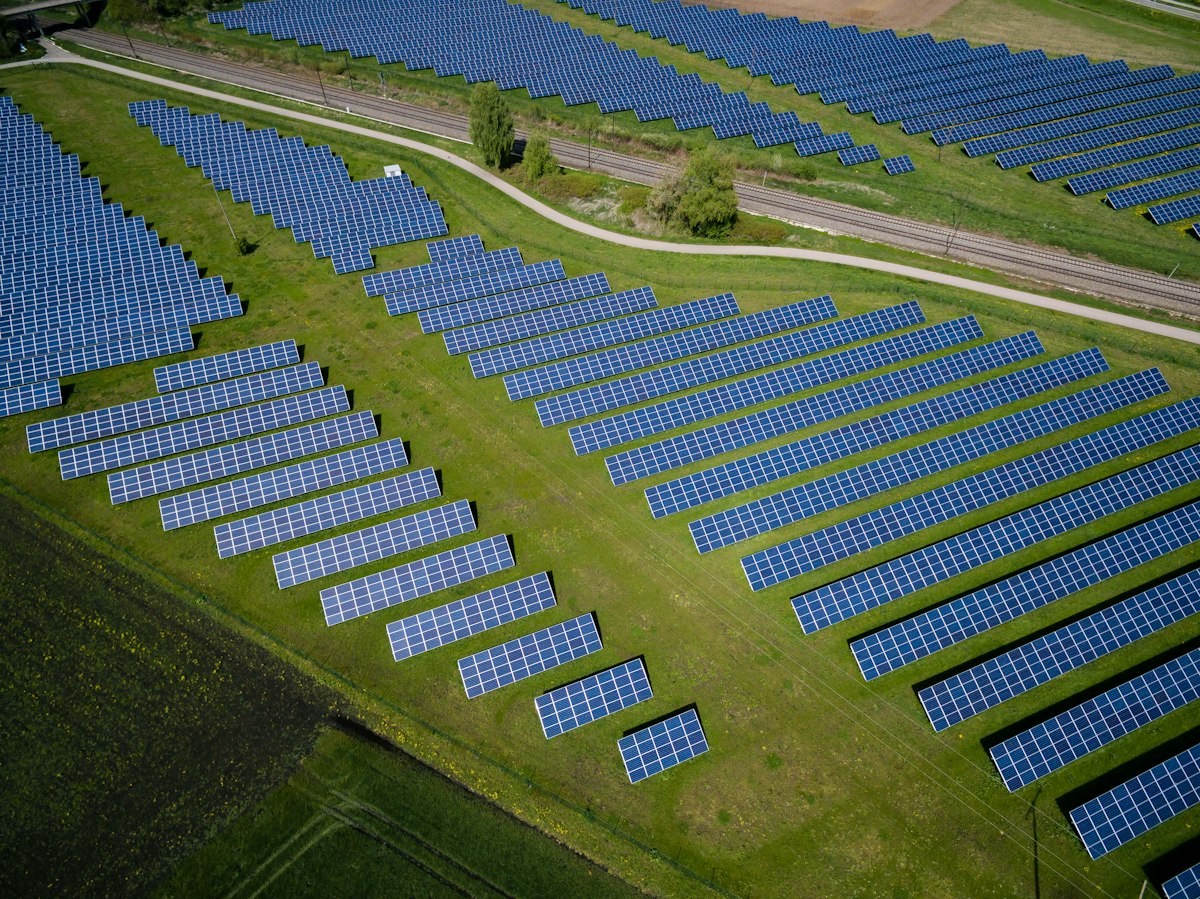
The Texas Public Utility Commission is also reviewing regulatory measures that could incentivize renewable energy integration, such as wind and solar power, which have become increasingly vital in stabilizing the grid. Renewable sources accounted for 30% of the state’s energy supply last year, and that figure is projected to rise as investments continue.
Despite these advancements, critics argue that the state needs to diversify its energy mix further. “Texas has been overly reliant on natural gas and intermittent renewables,” said Dr. Sarah Jenkins, a leading energy analyst at the University of Texas. “While these sources are important, we need to invest in advanced nuclear and battery storage systems to reduce our vulnerability.”
The urgency of these initiatives is underscored by the forecasted heatwave, which is expected to persist through late July. ERCOT has already urged residents to conserve energy during peak hours, highlighting the pressing need for reliable power distribution.
As the state prepares to push forward with these grid enhancements, stakeholders from various sectors are keeping a close eye on the evolving energy landscape. The outcomes of these investments will not only shape Texas' energy future but also set a precedent for grid management practices nationwide.