
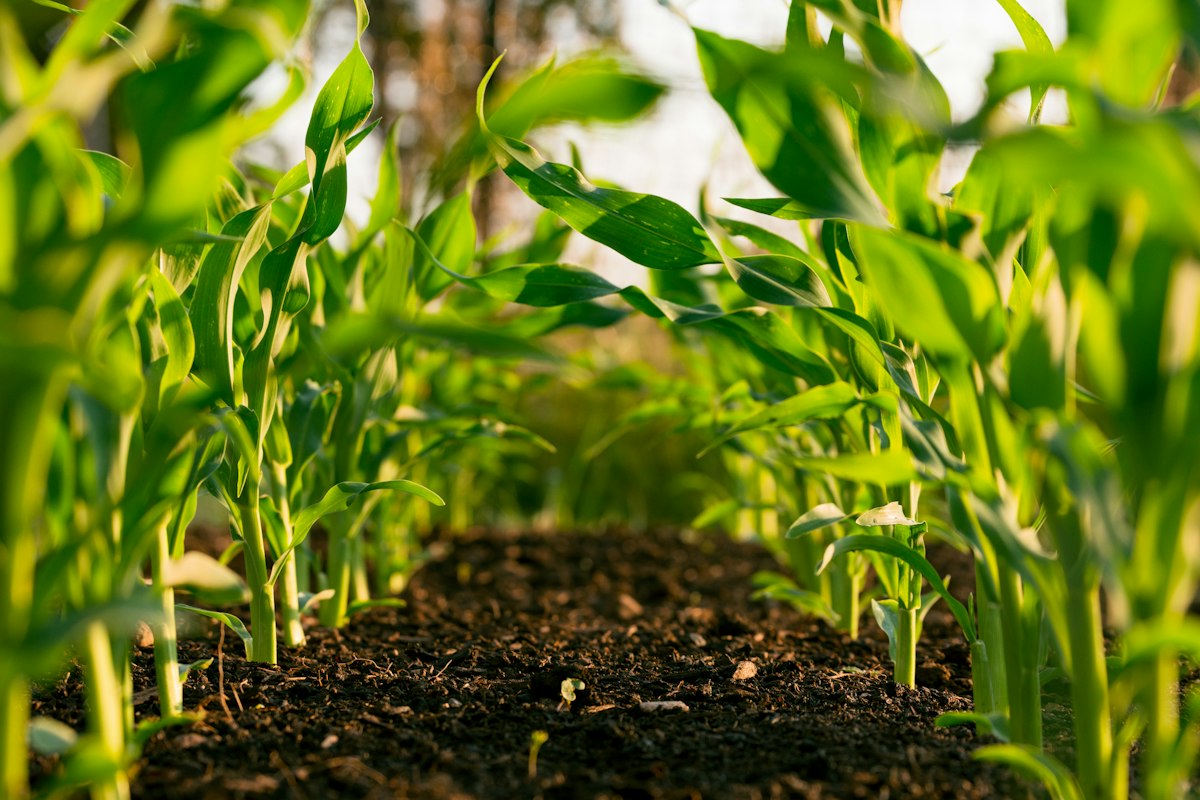
The organic farming sector in Texas is experiencing a significant surge, fueled by rising consumer demand for healthier and locally sourced produce.
In 2026 alone, sales of organic products in Texas reached $1.4 billion, according to the Texas Organic Farmers Association, marking an 18% increase from the previous year. This growth reflects a broader national trend, where organic food sales have soared to over $60 billion nationwide.
Local farms in areas like Fredericksburg and the Hill Country are leading this charge, with many farmers transitioning to organic methods to meet the increasing consumer preferences. One notable example is Hill Country Organic Farms, which reported a 40% increase in organic vegetable sales this year.
“People are more conscious about what they eat and where it comes from,” said Sarah Miller, owner of Hill Country Organic Farms. “Our community is supporting us more than ever, and we are committed to providing the highest quality organic produce.”
With the demand for organic products expected to continue its upward trajectory, many Texas farmers are looking to certifications that can help them tap into this lucrative market. However, the transition to organic methods comes with its own set of challenges, including higher production costs and longer timelines for certifications.
Additionally, the Texas Department of Agriculture has launched several initiatives aimed at supporting farmers going organic, including grants and training programs. As part of this effort, the state has allocated $5 million to assist farmers with the organic certification process.
“This funding is vital for our farmers who want to make the switch, especially smaller operations that may not have the resources to navigate the transition independently,” stated Commissioner Sid Miller.
As the state embraces the organic movement, the ripple effects are felt throughout the Texas economy. With local farmers markets thriving and organic products appearing on more grocery store shelves, it’s clear that Texas agriculture is not just adapting to consumer demands but is also setting trends for the future of food.