
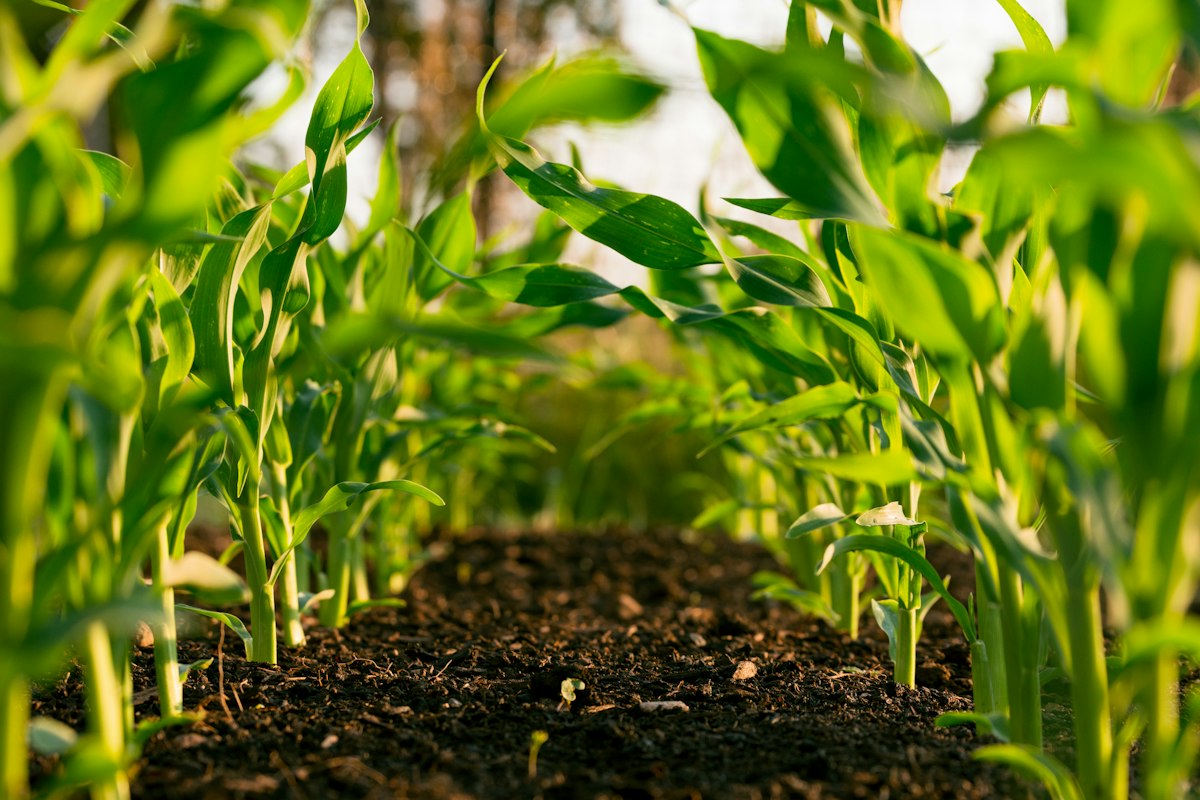
As the world faces a significant rice shortage, Texas rice farmers are experiencing a resurgence in demand, prompting optimism across the state’s agricultural landscape.
In 2026, Texas rice production is expected to exceed 1.5 million hundredweight, a dramatic increase from the previous year. “The global market is looking to Texas to help fill the gap created by supply chain disruptions and adverse weather conditions in Asia,” stated Dr. Patricia Lopez, a rice market analyst based in Houston.
Farmers in Chambers County, one of the leading rice-producing regions in Texas, are gearing up for what could be one of their most profitable years yet. Local rice farmer Marvin Tanner noted the increased interest in Texas-grown rice. “We’ve seen our contracts double this year, and we’re expanding our acreage to meet the demand,” Tanner explained during a farm tour.
The U.S. Department of Agriculture has indicated that Texas rice is being exported at unprecedented rates, with shipments to markets in South America and the Middle East rising by nearly 40% since last year. This surge is attributed to the difficulties faced by traditional rice-exporting countries, such as India and Vietnam, which have struggled with monsoon failures and export restrictions.
Local businesses are also benefiting from this agricultural boom. Jennifer Styles, owner of a local grain supply company in Anahuac, states, “We’re seeing increased sales in fertilizers and equipment as farmers ramp up production. This could have a lasting positive impact on our community.”
Despite the optimistic outlook, challenges remain. The rice farmers are grappling with rising input costs, particularly for water and energy, both of which have surged due to ongoing inflation. “While demand is high, we need to ensure that our production methods are sustainable and economically viable,” cautioned Dr. Lopez.
The Texas Rice Industry Association (TRIA) is actively working with farmers to explore innovative irrigation techniques and alternative energy solutions to mitigate these rising costs. Their goal is to ensure that Texas rice remains competitive on the global stage.
As Texas rice farmers prepare for the upcoming harvest, the sentiment across the state is one of cautious optimism, with many hoping that this year’s boom will lead to lasting changes in the industry.