
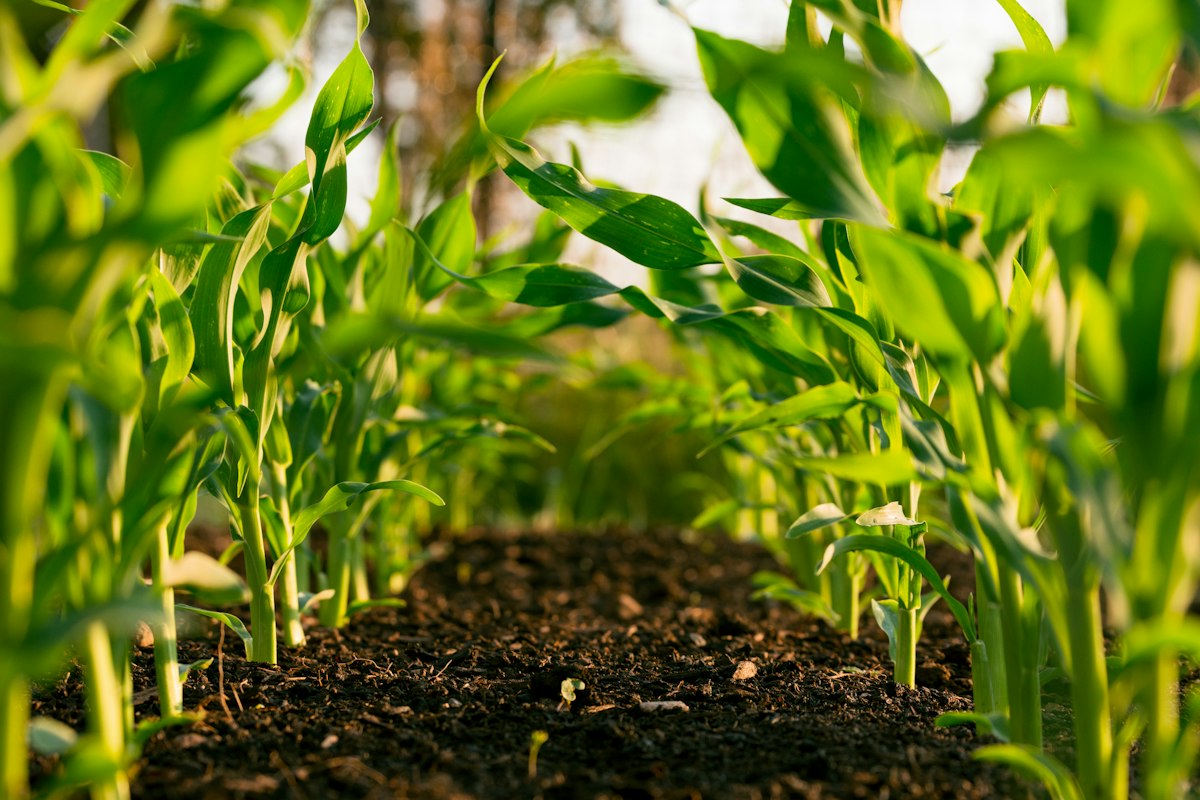
In the face of escalating water scarcity, Texas rice farmers are increasingly turning to sustainable agricultural practices to ensure their crops remain viable. The Texas rice industry, concentrated primarily in the Gulf Coast region, is adapting to the ongoing challenges posed by severe droughts and changing climate conditions.
According to the Texas Rice Improvement Association, production is expected to fall to 1.5 million acres in 2026, down from 1.8 million acres in 2025. This contraction is largely attributed to water shortages and the need for farmers to rethink their planting strategies.
“Water is our most critical resource, and we can no longer afford to use it carelessly,” stated Laura Jones, a rice farmer in Wharton County. “We are implementing new irrigation techniques and crop rotations to make the most of the limited water we have.”
Farmers are adopting precision irrigation systems that utilize soil moisture sensors, enabling them to apply water more efficiently. This technology has led to reported water savings of up to 30%, a significant improvement for an industry heavily reliant on irrigation.
Additionally, many farmers are experimenting with alternate wetting and drying (AWD) methods, which involve managing water levels in rice fields to reduce water usage while maintaining yields. This technique has gained traction, particularly around areas like Beaumont and El Campo, where water resources are under extreme pressure.
The Texas rice industry contributes approximately $500 million to the state’s economy, making it imperative for farmers to adapt to these challenges. With rice prices currently at around $13 per hundredweight, farmers are feeling the pressure to balance profitability with sustainability.
The Texas Water Development Board has announced funding opportunities for farmers looking to invest in water conservation technologies. Agricultural policy experts emphasize the importance of such programs, stating that “investment in sustainable practices is crucial for the long-term success of our agricultural sector.”
As Texas rice farmers look to the future, the integration of sustainable practices may prove essential not just for survival, but for the prosperity of the entire industry. By prioritizing water conservation, they hope to secure their livelihoods while also protecting the precious resource that sustains their crops.