
In a significant boost to its renewable energy landscape, Texas has attracted over $10 billion in new investments in the first half of 2026, underscoring its role as a national leader in the shift towards sustainable energy sources.
The influx of capital is largely fueled by a combination of state incentives, favorable regulations, and the growing demand for clean energy solutions amid increasing climate concerns. Companies such as NextEra Energy and Invenergy are set to expand their operations across the state, significantly increasing the capacity of wind and solar energy.
“This unprecedented level of investment underscores the confidence in Texas’s renewable energy potential,” said Jane Smith, Executive Director of the Texas Renewable Energy Association. “With our abundant natural resources and innovative technology, we are positioned to lead the nation in sustainable energy production.”
The state's renewable energy generation rose to an all-time high of 30% of its total energy output in 2025, largely driven by wind power, which remains a critical component of Texas's energy portfolio. The state's grid operator, ERCOT, reported that wind and solar combined provided more than 75,000 megawatts at peak times last year.
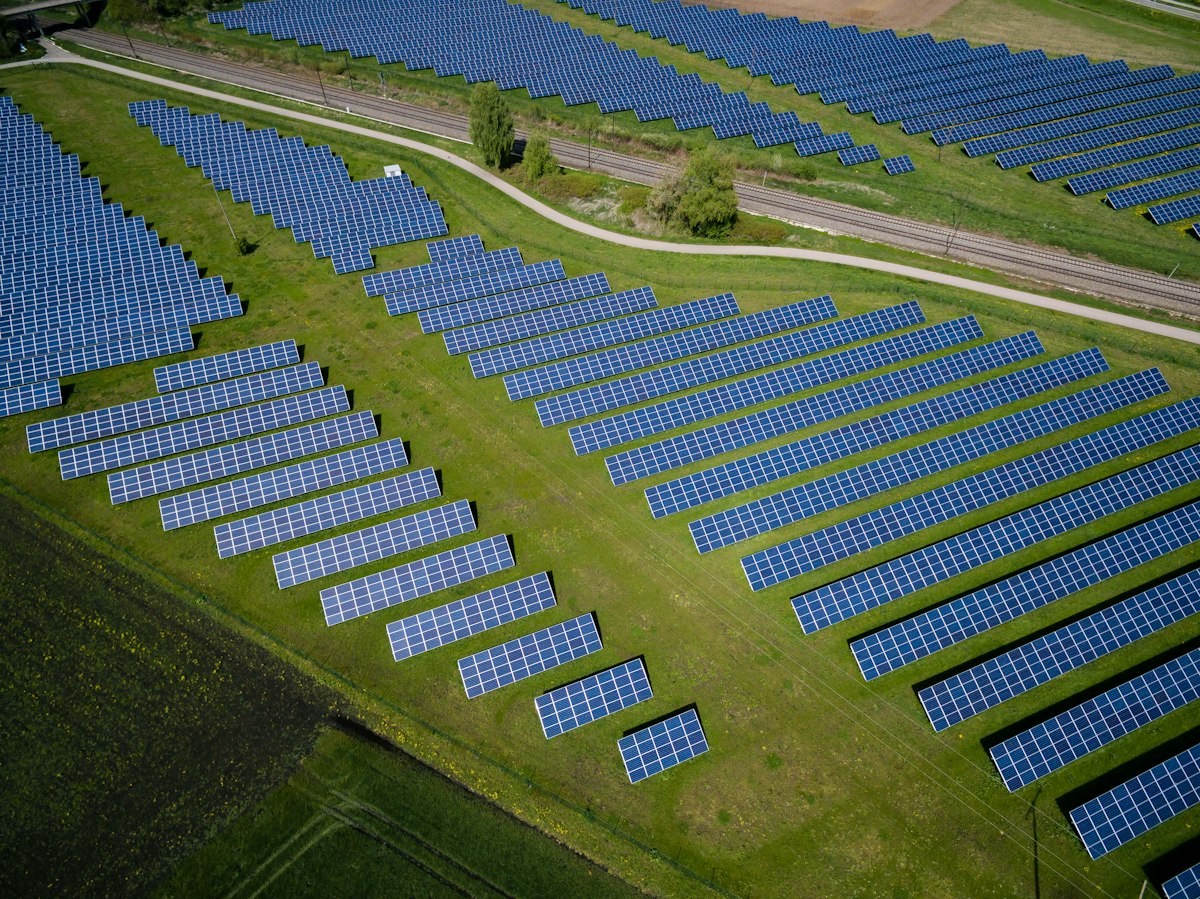
In the city of Austin, several large-scale solar farms are slated to begin operations this fall, with the potential to power approximately 200,000 homes. Meanwhile, in the northern region around Dallas, plans for new wind farms could add an additional 1,500 megawatts of power by the end of 2027.
Despite the challenges posed by climate change and federal regulations, Texas utilities are increasingly committing to renewable sources. Oncor Electric Delivery, a major utility in the state, recently announced a partnership with Siemens to enhance grid resilience and incorporate more renewable energy into its systems.
“Our collaboration with Siemens will help us to better integrate renewable energies and prepare for a more sustainable future,” stated Mark Jones, CEO of Oncor. “It’s essential that we adapt our infrastructure to meet the evolving energy landscape.”
The Texas Legislature also passed several bills aimed at streamlining the permitting process for renewable projects, further encouraging investment in the sector. As a result, analysts predict that Texas could reach a renewable energy capacity of 100,000 megawatts by the end of the decade.
However, challenges remain, particularly regarding the state’s aging electrical infrastructure and the reliability of renewable energy sources during peak demand periods. ERCOT has been working tirelessly to enhance grid management capabilities, particularly as extreme weather events become more frequent.
As Texas continues to lead the charge in renewable energy, stakeholders remain optimistic about the long-term prospects of a cleaner, more sustainable energy future.