
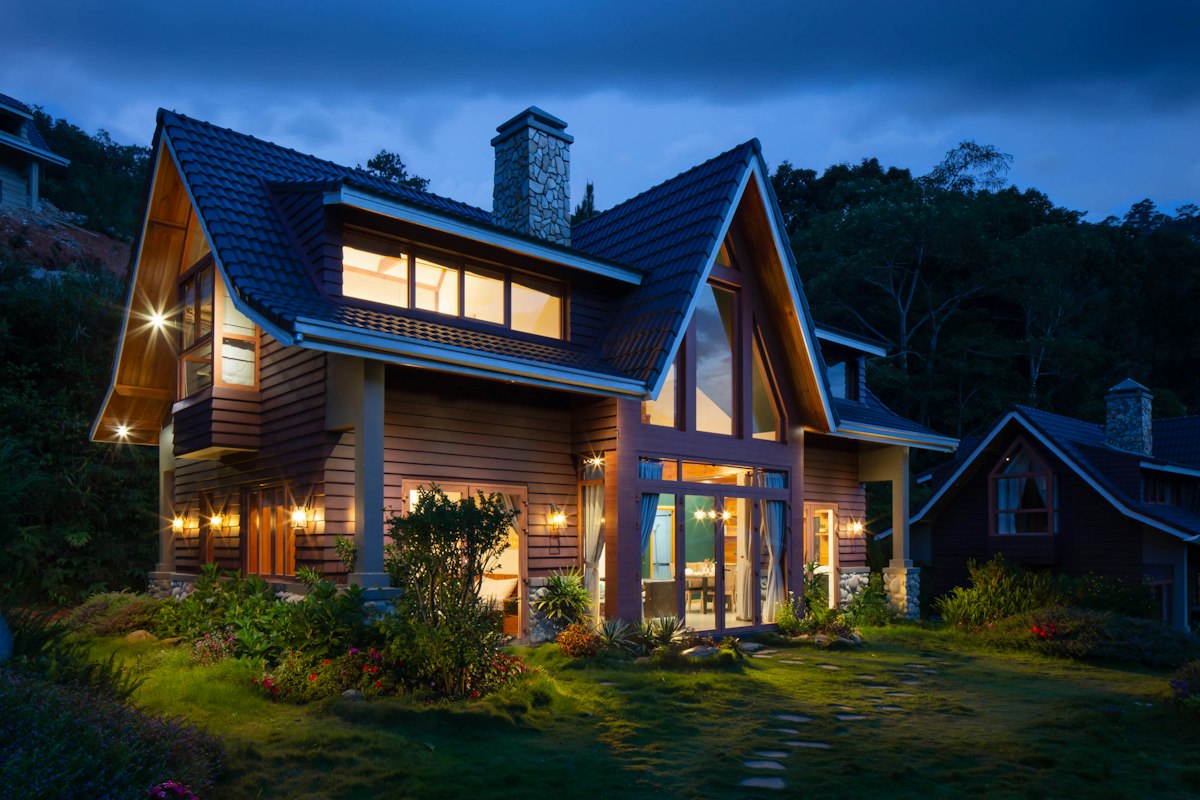
As interest rates continue to climb, Texas' once-booming real estate market is showing signs of strain, with home sales declining in several major cities.
According to the Texas A&M Real Estate Center, the average 30-year fixed mortgage rate reached 7.5% in June, up from 3.3% a year earlier. This increase has significantly impacted affordability, leading many prospective buyers to reconsider their plans.
In Dallas, home sales dropped by 15% year-over-year, with the median home price falling to $400,000. “We’re seeing a shift in buyer sentiment,” noted Jason K. Smith, a real estate analyst at Urban Realty Group. “People are more hesitant to commit to purchases, given the uncertain economic landscape.”
Houston has also felt the pinch, with transactions down by 12% and a comparable median price of $350,000. The combination of higher borrowing costs and a lingering inventory shortage has created a market that is at once competitive and cautious.
While cities like Austin have historically maintained strong demand, even the capital city is experiencing a slowdown, with sales down 18% compared to last year. The median home price in Austin is currently around $550,000, which some analysts argue is unsustainable amid rising costs.
Despite the current challenges, some experts remain optimistic about the long-term health of the Texas real estate market. “Our demographics are still incredibly strong, and job growth in technology and healthcare sectors continues to fuel demand,” said Dr. Mark L. Jones, chief economist for the Texas Economic Partnership.
The ongoing development of infrastructure, including the Texas Bullet Train project and various highway expansions, is expected to enhance connectivity and eventually stimulate housing demand, particularly in suburban areas.
However, for now, both buyers and sellers are adjusting their expectations in response to the new economic realities. Many sellers are opting to wait it out rather than accepting lower offers, which could lead to further stagnation in the market.
As we move further into 2026, the Texas real estate landscape remains a complex interplay of rising costs, shifting demographics, and evolving economic conditions. Ensuring affordable housing solutions will be critical for policymakers and industry leaders alike to maintain the state’s economic vitality.