
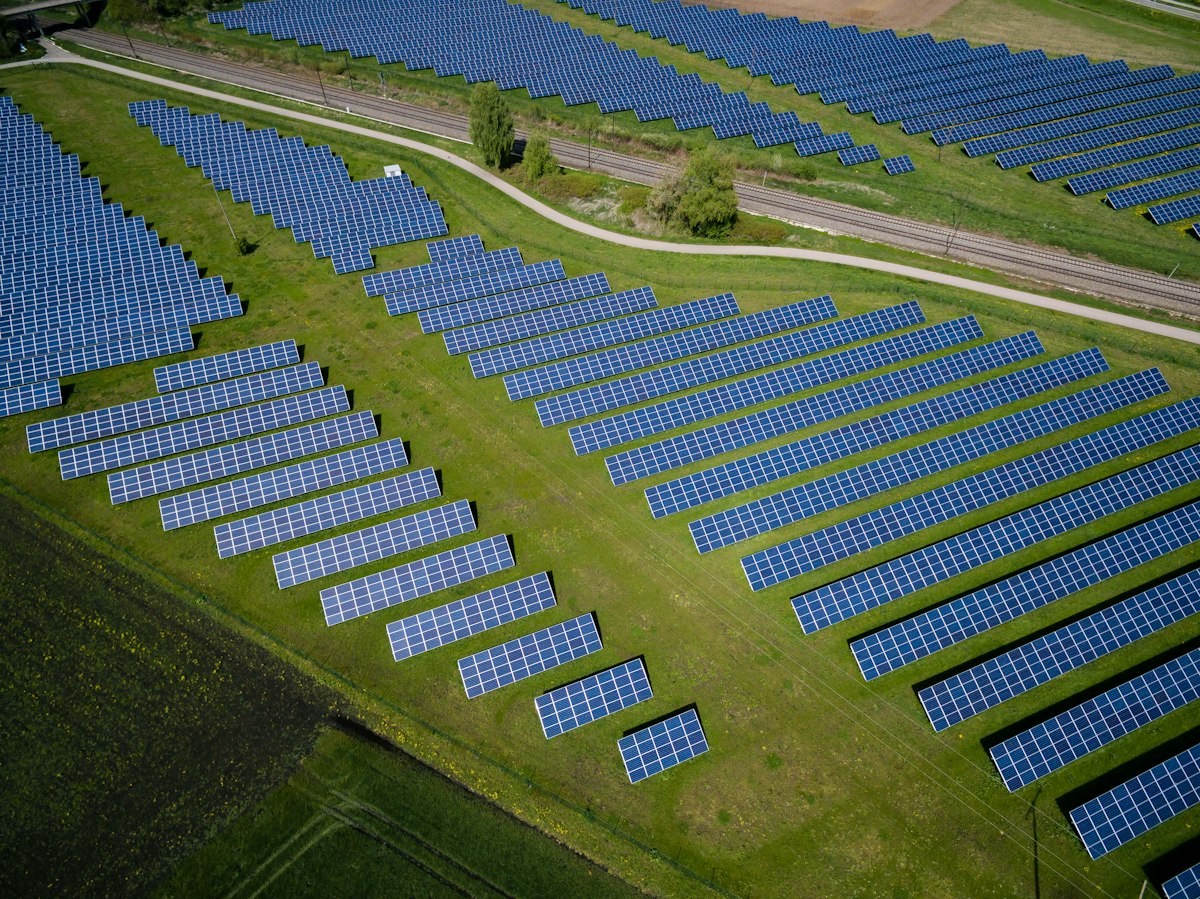
As Texas grapples with the realities of climate change and the need for sustainable energy, state officials are doubling down on their commitment to renewable energy sources. The Texas Legislature recently passed a series of measures aimed at boosting solar and wind energy production, which would position the state to produce 50% of its energy from renewable sources by 2030.
According to the Texas Renewable Energy Industry Association (TREIA), the state currently generates approximately 30% of its electricity from renewable resources. This new legislative push aims to add an additional 30 gigawatts of solar power and 15 gigawatts of wind power over the next seven years. "This is not just about energy production, it’s about leadership in a changing world," said TREIA Executive Director, Paul Sadler.
Houston-based NextEra Energy, one of the nation's largest renewable energy companies, is set to play a pivotal role in this transition. The company has announced plans to invest $3 billion in solar and wind projects across West Texas, creating an estimated 5,000 jobs in the process. "We are excited to partner with the state to help achieve these ambitious goals," said NextEra’s Texas operations manager, Linda Johnson.
The push for renewable energy is not without its challenges. Texas’ intricate and often volatile energy market raises questions about grid reliability as more intermittent sources like solar and wind are added. The Electric Reliability Council of Texas (ERCOT), which manages the state’s power grid, has expressed the need for additional infrastructure to handle the expected influx of renewable energy. "Grid enhancements will be essential to ensure the lights stay on during peak demand periods," said ERCOT spokesperson Chris Schein.
Environmental advocates have welcomed the legislation, noting that Texas has historically lagged behind other states in renewable adoption. "This is a significant step forward for Texas, which has the potential to lead the nation in clean energy production," said Sierra Club Texas Chapter Director, Anne Hinton. Despite concerns about job losses in fossil fuel sectors, proponents of renewable energy argue that new job opportunities will emerge in green technology fields.
As Texas embarks on this ambitious transition, the state is also focusing on improving energy efficiency. New legislation mandates that all new state buildings must meet stringent energy efficiency standards, further contributing to the decrease in carbon emissions. With these measures, Texas is not only ensuring a more sustainable energy future but also potentially setting a precedent for other states to follow.