
As Texas embarks on its ambitious journey towards a greener energy landscape, state officials are doubling down on their commitment to achieve a 50% renewable energy mix by 2030. This goal is not only a response to growing environmental concerns but also a strategic move to bolster the state’s economy and create jobs.
In recent years, Texas has emerged as a leader in renewable energy, particularly in wind and solar power. According to the Electric Reliability Council of Texas (ERCOT), renewable sources accounted for approximately 30% of the state's electricity generation in 2025, a significant increase from just 20% in 2020.
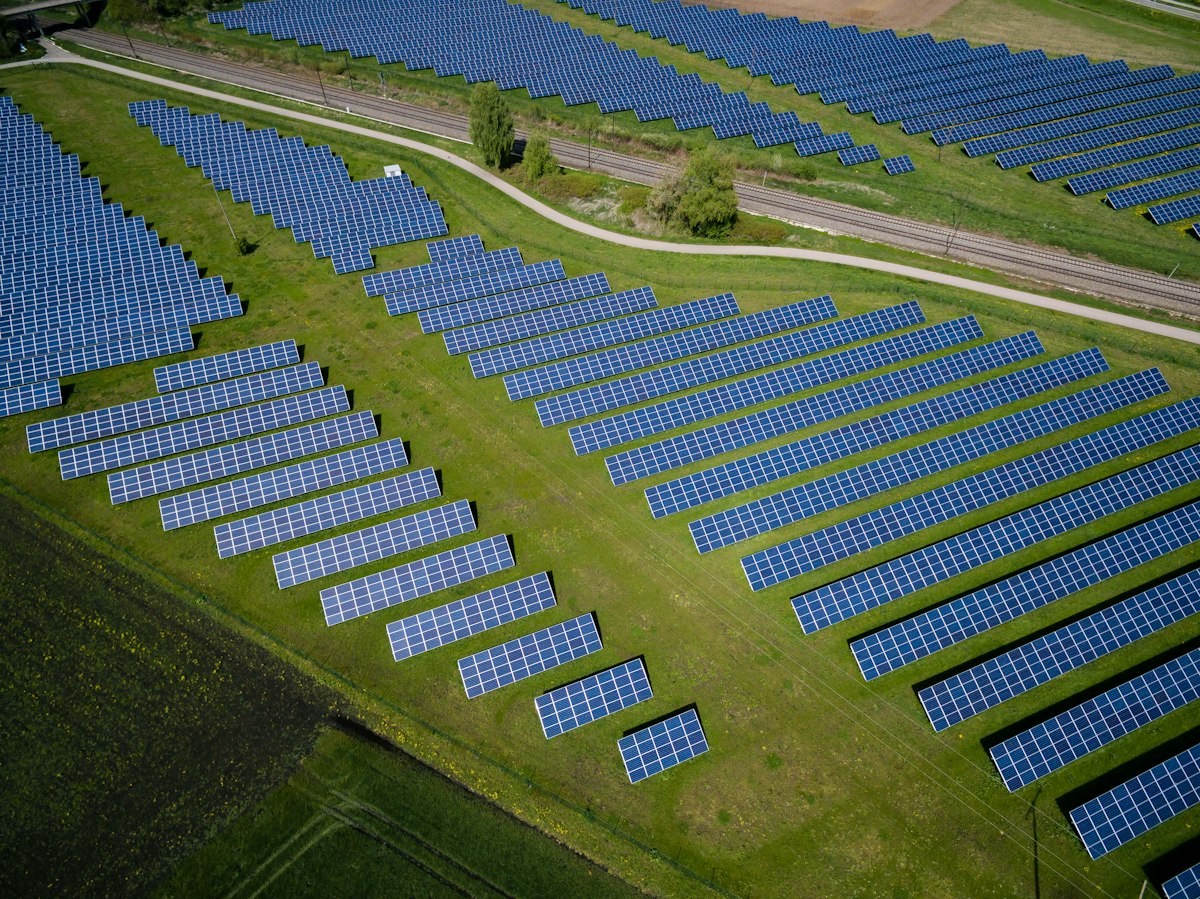
As part of this green initiative, Austin-based company NextEra Energy Resources has announced a $1 billion investment in new solar projects across the state. The projects are expected to generate around 1,000 megawatts of clean energy, enough to power approximately 200,000 homes. John Hargrove, a senior executive at NextEra, stated, "Our investment in Texas reflects our commitment to sustainable energy solutions and our belief in the state’s potential for growth in the renewable sector."
Following NextEra’s lead, numerous other companies are stepping up to invest in Texas’s renewable energy future. A recent report from the Texas Renewable Energy Industries Alliance (TREIA) highlighted that the state could create over 200,000 jobs in the renewable sector by 2030, contributing significantly to local economies such as those in Dallas and Houston.
However, meeting these ambitious goals is not without its challenges. Infrastructure and grid capacity are major concerns, as many new projects will require updates to the existing energy grid to ensure reliability and efficiency. Bill Magness, the outgoing CEO of ERCOT, commented on this issue, saying, "The future of renewable energy in Texas hinges on our ability to modernize the grid to handle increased capacity and variability in power generation."
In an effort to address these infrastructure needs, the Texas legislature is currently considering several bills aimed at incentivizing investment in grid modernization. These legislative efforts come at a time when demand for electricity is expected to rise, particularly during the hot summer months, when more residents rely on air conditioning.
Despite these hurdles, the optimistic outlook for Texas's renewable energy sector is shared by many stakeholders, including environmental groups and business leaders alike. With abundant natural resources and a favorable business climate, Texas is poised to lead the nation in the transition to clean energy.
As Texas moves forward with its green energy initiatives, the focus remains on balancing economic growth with sustainability, a challenge that could define the state’s energy landscape for decades to come.