
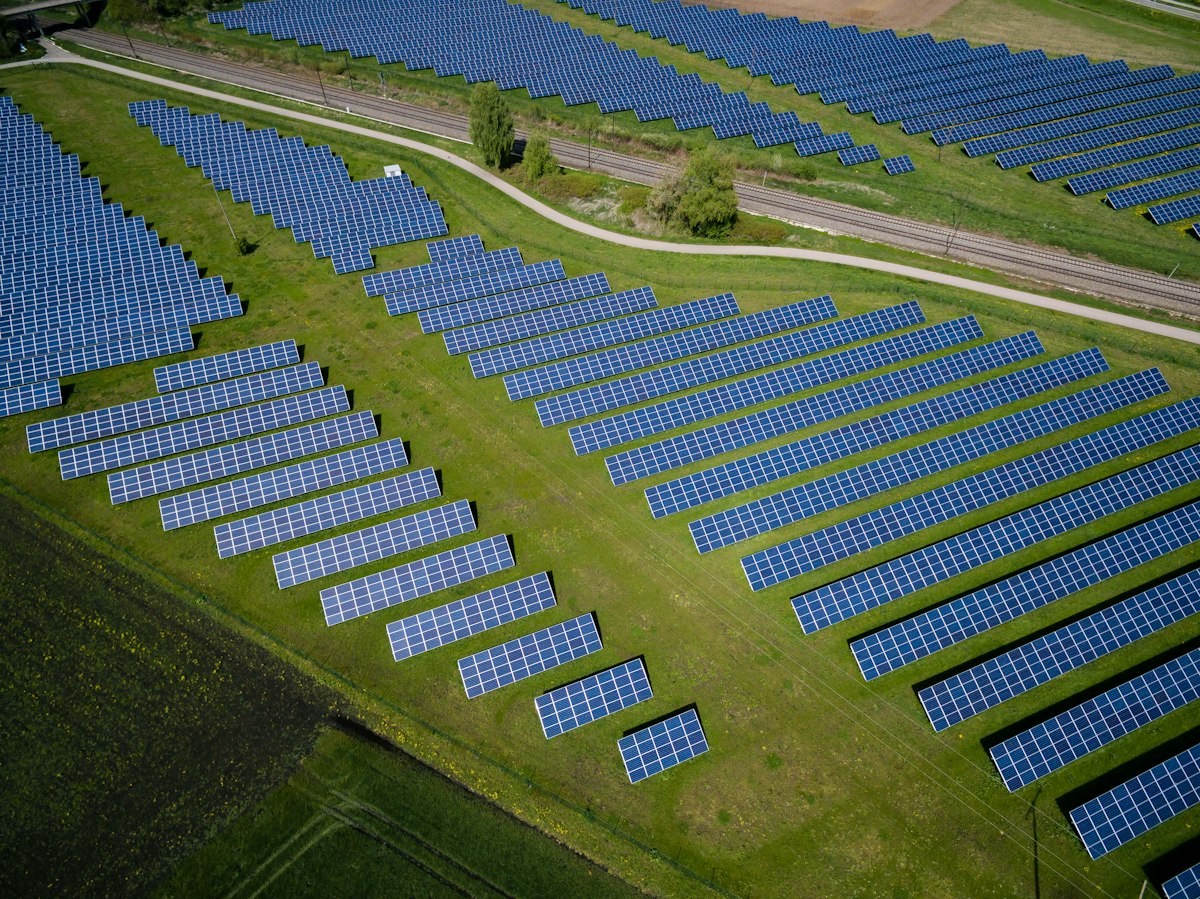
As Texas continues to lead the nation in renewable energy production, the state's power market is facing increasing regulatory scrutiny that could reshape its future.
On July 25, 2026, the Public Utility Commission of Texas (PUCT) announced a series of proposed rule changes aimed at enhancing grid reliability and integrating more renewable energy sources into the state's power mix. This move comes in response to a series of blackouts experienced during the summer months in previous years, which raised concerns about the state's energy infrastructure.
Commissioner DeAnn Walker emphasized the need for change, stating, "We must ensure that Texas’s energy grid can adapt to new challenges in reliability while embracing our commitment to clean energy progress." Under the proposed regulations, large-scale solar and wind projects would face stricter interconnection standards and operational requirements.
The PUCT's announcement follows a report published by the Electric Reliability Council of Texas (ERCOT), revealing that renewable energy sources accounted for nearly 50% of the state’s electricity generation in the first half of 2026. However, ERCOT also noted that this increase has not been without its complications, as inconsistent generation patterns from solar and wind have strained the grid during peak demand periods.
In response to these challenges, several energy companies, including NextEra Energy and Vistra Corp., are investing heavily in energy storage technologies to mitigate intermittency issues. NextEra has announced plans for a $1 billion battery storage project in El Paso that aims to store excess solar energy generated during the day for use during evening peaks.
Experts predict that the regulatory changes could lead to increased costs for developers in the short term. "While these regulations are essential for grid stability, they may create barriers to entry for new renewable projects," said Dr. Lisa Monroe, an energy policy analyst at the University of Texas at Austin. "Long-term benefits depend on how well the state balances these new requirements with the need for innovation."">
Market analysts are closely watching the implications of these regulatory changes. Some fear that increased compliance costs could stifle growth in the renewable sector, which has been a significant driver of job creation in Texas. In 2025 alone, the state added over 20,000 jobs in the renewable energy sector, highlighting its importance to the state’s economy.
As stakeholders prepare to provide feedback on the proposed regulations in the coming weeks, the future of Texas's energy market hangs in the balance. With the state poised to hold its position as a leader in energy production, all eyes will be on how policymakers navigate the complex landscape of energy regulation and sustainability.