
As Texas braces for an exceptionally hot summer, the Electric Reliability Council of Texas (ERCOT) has announced significant upgrades to its power grid. In a statement released on July 1, 2026, ERCOT detailed a $1.5 billion investment aimed at bolstering the state's electricity supply in anticipation of record-breaking temperatures.
The investment will fund new transmission lines, enhance existing infrastructure, and expand the capacity of renewable energy sources. ERCOT anticipates that peak demand could reach upwards of 80,000 megawatts by the end of July, surpassing last year's record of 78,000 megawatts.
"These upgrades are crucial as we prepare for what could be one of the hottest summers on record," said ERCOT CEO Pablo Vegas. "Our goal is to ensure that Texans have reliable power during the peak usage hours, especially during extreme heat events."
The push for modernization comes on the heels of several heatwaves that strained the grid in previous summers, leading to public outcry and regulatory scrutiny. In response, ERCOT has collaborated with local utilities and private energy companies, including NextEra Energy and Vistra Corp, to enhance the reliability of their networks.
In addition to the infrastructural improvements, ERCOT has also initiated a public awareness campaign aimed at encouraging conservation during peak hours. Residents are being urged to shift heavy electricity usage to off-peak times, particularly in the early morning and late evening.
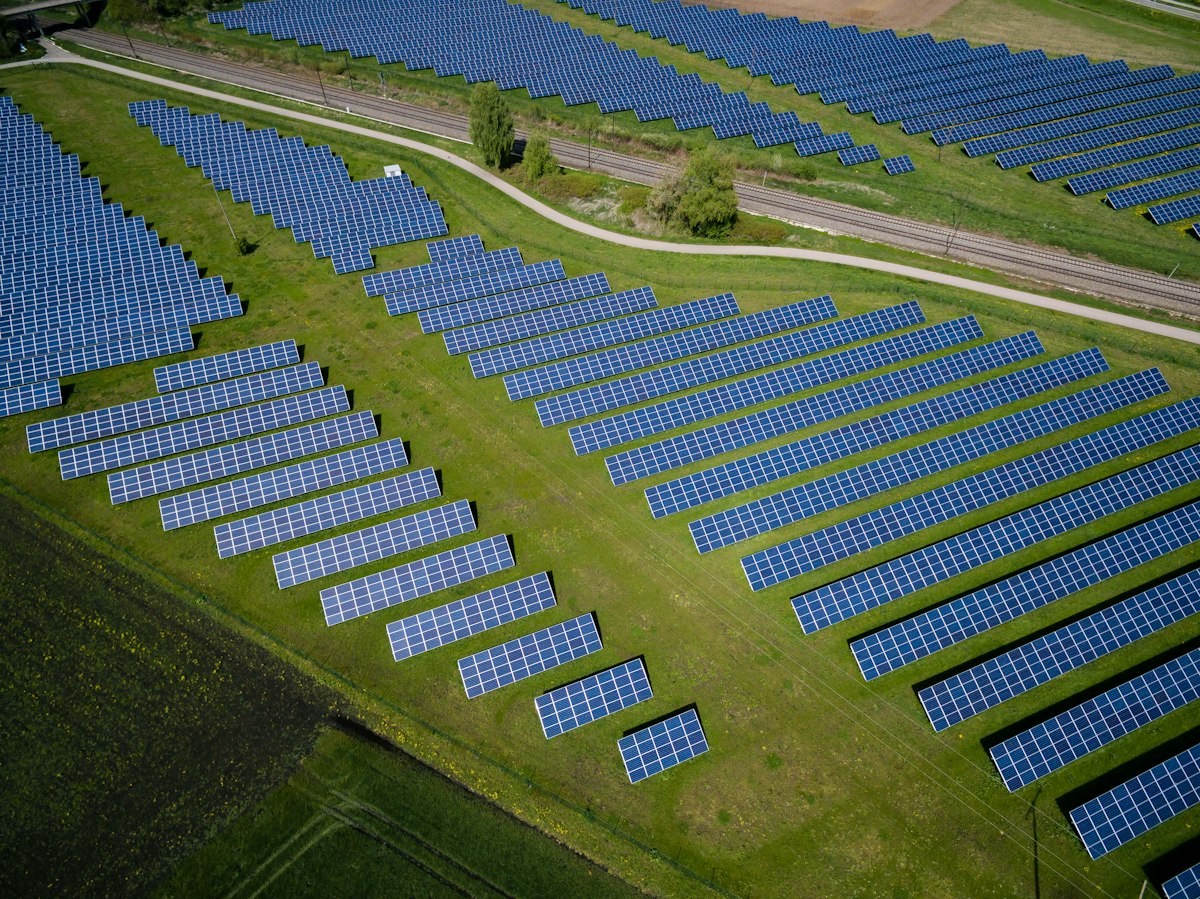
As part of the investment strategy, ERCOT will also integrate more renewable energy sources into its grid, with a focus on solar and wind. The latest reports suggest that Texas is on track to generate over 30% of its electricity from renewable sources by the end of 2026.
With extreme weather events becoming increasingly common, the Texas energy sector is poised for a transformative shift that prioritizes both reliability and sustainability. Analysts are closely watching the developments, particularly as Texas seeks to maintain its status as a leader in energy production while facing the profound challenges of climate change.