
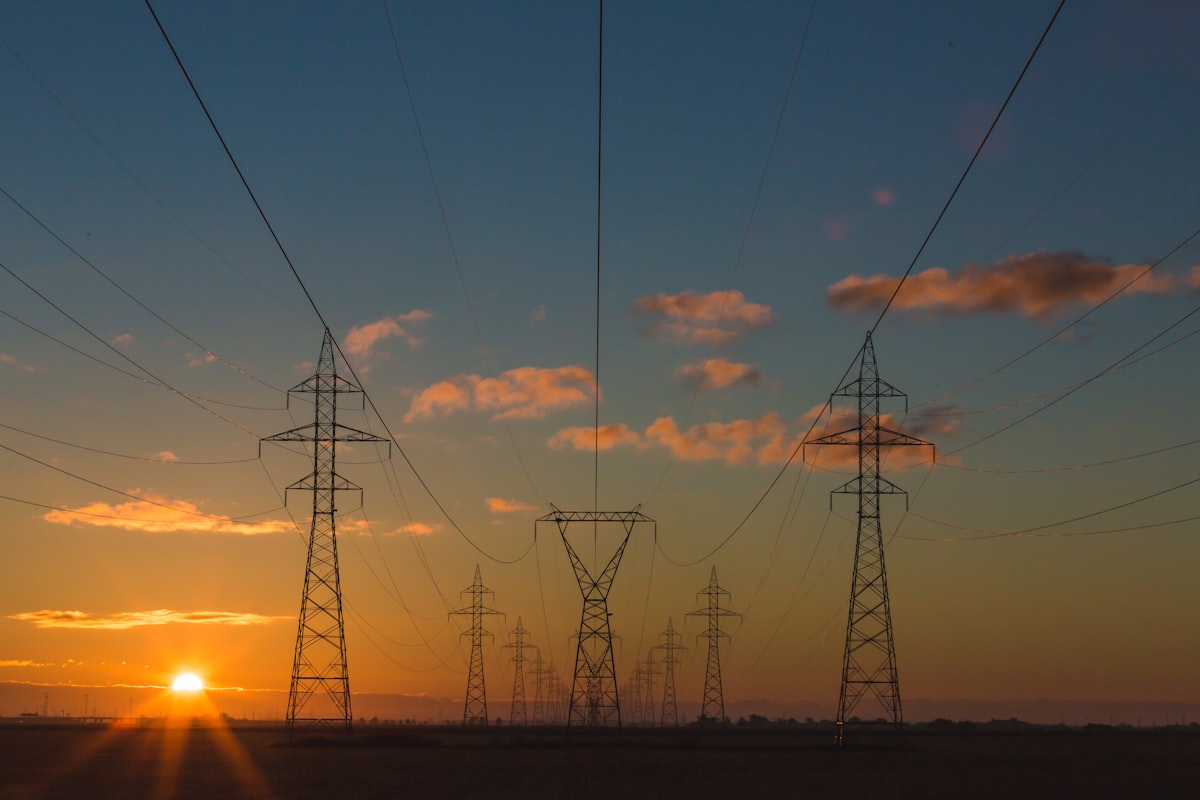
With soaring temperatures expected this summer, Texas's power grid operator, ERCOT, is taking proactive measures to ensure reliability.
On July 3, 2026, ERCOT announced an investment of $150 million in grid infrastructure enhancements and renewable energy integration to meet the anticipated surge in electricity demand. This follows a record heatwave in June that saw demand peak at over 80,000 MW for the first time.
“We must ensure that our grid can handle the increased load without sacrificing reliability,” said Bill Magness, CEO of ERCOT. “The investments we’re making now will pay dividends in the months to come.”
The upgrades include improvements to transmission lines and substations, particularly in high-demand areas such as Dallas and Houston. Additionally, ERCOT is expanding its partnerships with renewable energy providers to facilitate the incorporation of wind and solar power into the grid.
In June, ERCOT reported that renewable energy sources supplied 40% of the state's electricity needs, a figure that is expected to rise in the coming months. As part of the state’s larger strategy, officials are also emphasizing energy efficiency programs aimed at reducing consumption during peak hours.
The grid's resilience is particularly critical given that last summer saw several days of rolling outages during extreme heat conditions. Stakeholders, including consumer advocates and policymakers, are closely monitoring ERCOT’s actions to avert similar incidents.
“It’s vital that we learn from last summer’s challenges and take necessary steps to fortify our grid,” noted Angela Smith, a senior energy analyst at the Texas Energy Coalition. “The integration of renewable resources is key to achieving this.”
As the summer swelters on, ERCOT is also urging residents to conserve energy, especially during peak hours. The organization has launched a public awareness campaign to encourage Texans to reduce electricity usage when possible.
The combination of investment in infrastructure, emphasis on renewable energy, and public engagement is designed to create a more resilient power grid that can withstand the summer's challenges and beyond.