
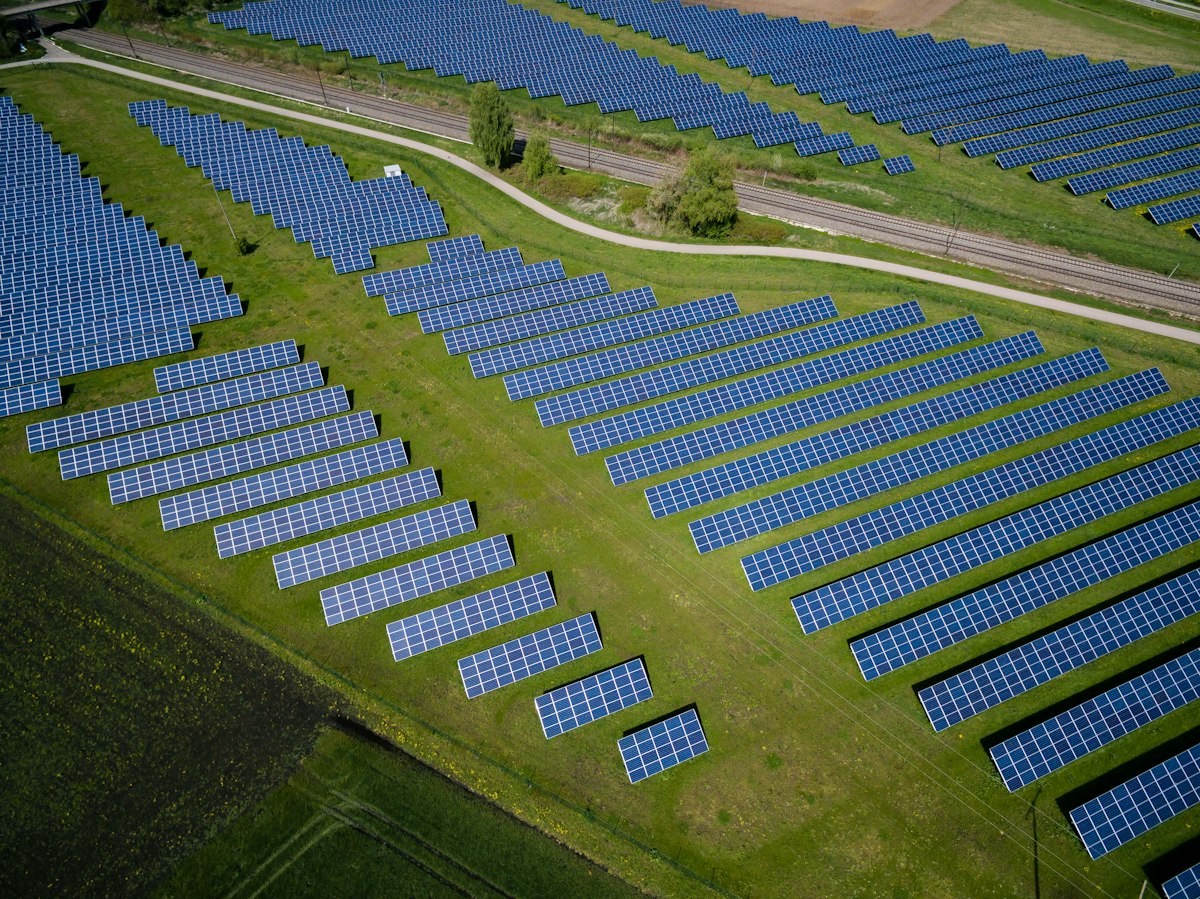
In a significant move towards sustainability, Texas has witnessed a record influx of renewable energy investments in the first half of 2026, with over $8 billion committed to solar and wind projects.
The state, already a dominant player in the energy sector, has solidified its position as a leader in renewable energy, further fueled by favorable state policies and a growing demand for clean energy. Companies such as NextEra Energy and Pattern Energy have announced multi-million dollar projects, significantly increasing their footprint in Texas.
As of July 2026, Texas generates approximately 35% of its electricity from renewable sources, primarily wind and solar, making it the largest producer of renewable energy in the United States. This surge comes at a time when many states are struggling to meet their clean energy goals.
“The momentum we’re seeing in Texas is unprecedented,” said Tom Wright, CEO of the Texas Renewable Energy Association. “Investors are recognizing the potential here, not only for profit but for the positive environmental impact.”
The latest figures from the Texas Public Utility Commission show that wind power alone accounted for 23% of the state’s energy mix in 2025, and projections estimate this could climb to nearly 30% by 2030. Solar contributions are also rising rapidly, making Texas one of the top states for solar capacity additions.
Government incentives, including tax breaks and grants for renewable energy projects, have been instrumental in driving this investment wave. Additionally, the growing corporate demand for sustainable energy solutions from tech giants like Amazon and Google has further pressured the energy market to adapt to cleaner practices.
As businesses and residents increasingly opt for cleaner energy sources, Texas is also working to enhance its energy infrastructure to accommodate this growth. The grid enhancements, which include new transmission lines and energy storage systems, are essential to manage the variable nature of renewable power.
However, some challenges remain. The state's vulnerability to extreme weather events and the need for capacity to handle peak demands during summer months have raised concerns about energy reliability. Recent heat waves have put pressure on the grid, prompting discussions about additional investments in energy storage.
“We are committed to ensuring that while we transition to cleaner energy, we do not compromise on reliability,” emphasized Rebecca McCoy, a spokesperson for the Electric Reliability Council of Texas (ERCOT).
As Texas continues to lead the renewable energy charge, stakeholders are optimistic that the state will not only meet its energy needs but also pave the way for a sustainable future.