
As Texas faces an unprecedented surge in temperatures, the Electric Reliability Council of Texas (ERCOT) is implementing strategic measures to enhance the resilience of the state's power grid. With August temperatures reaching record highs, ERCOT's proactive strategies aim to ensure that energy demands remain met without significant disruptions.
The summer of 2026 has brought relentless heat waves, with average temperatures soaring above 100 degrees Fahrenheit in cities like Dallas and Houston. This has pushed energy consumption to new heights, leading ERCOT to project a peak demand of 82,000 megawatts this month, surpassing previous records.
To address this surge, ERCOT has launched a series of initiatives, including the activation of demand response programs and the expansion of energy storage systems. “We are working closely with energy providers to ensure we have the necessary resources available to meet this unprecedented demand,” said ERCOT President and CEO, Brad Jones. “Our focus is on maintaining reliability and avoiding any potential blackouts during this critical period.”
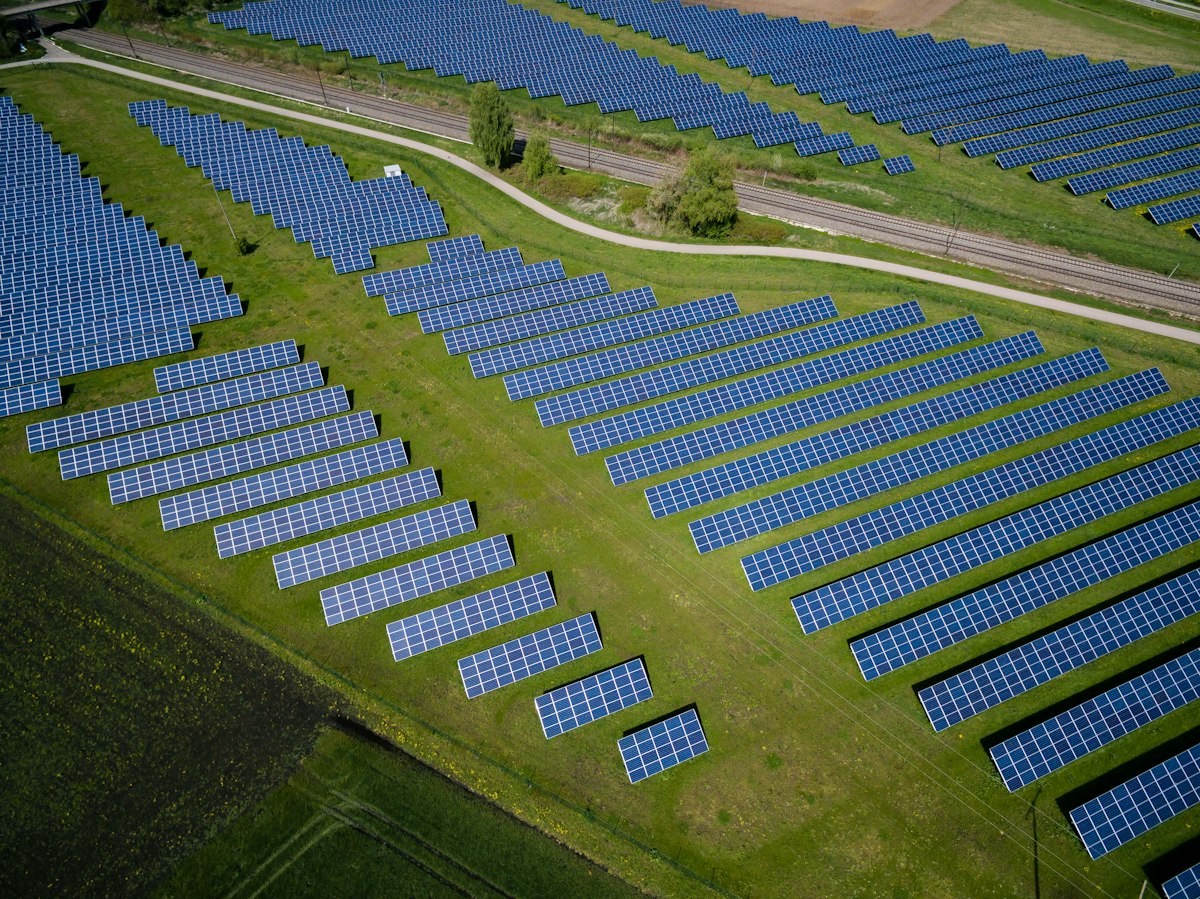
Among the measures being undertaken, ERCOT has also incentivized renewable energy sources to contribute more significantly during peak hours. Solar energy, which has seen rapid growth in Texas, is expected to play a crucial role in balancing the grid, particularly in the afternoon when the sun's intensity is at its peak.
Several Texas companies, including NextEra Energy and Vistra Corp., are investing heavily in renewable projects to prepare for the continued demand. With a combined investment of over $3 billion in new solar and battery storage facilities, these firms are paving the way for a more sustainable energy future. “We believe that a diversified energy portfolio is essential for Texas,” stated NextEra's Regional Vice President, Lisa Gonzalez.
Furthermore, ERCOT is focusing on enhancing its transmission infrastructure to accommodate the increased flow of electricity from renewable sources. New transmission lines are set to come online by the end of 2026, which should alleviate some of the bottlenecks currently experienced in delivering electricity from rural wind and solar farms to urban centers.
Despite the proactive measures, challenges persist. Opposition from local communities regarding new infrastructure projects continues to be a hurdle. “While we understand the need for expansion, community concerns must be prioritized,” said Mayor Sylvester Turner of Houston. “We need solutions that benefit everyone, not just the grid.”
As ERCOT navigates these challenges, stakeholders remain cautiously optimistic. The state’s energy landscape is evolving, and with continued investment and innovation, Texas may emerge from this summer's heat waves more resilient than before.