
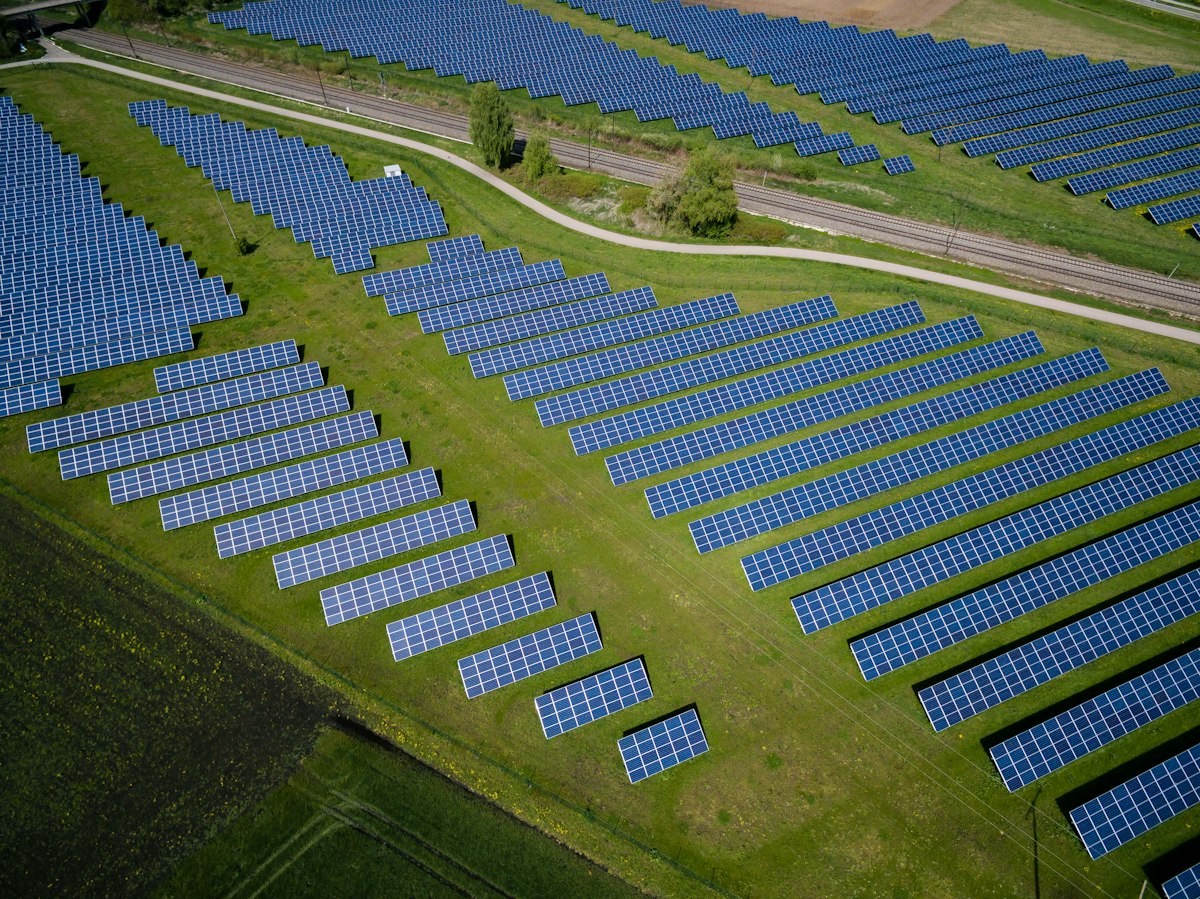
As Texas continues to experience population growth and an increasing demand for energy, the state's energy companies are investing heavily in advanced energy storage solutions to bolster grid reliability.
In recent months, Austin-based Fluence Energy announced a partnership with the Electric Reliability Council of Texas (ERCOT) to deploy new battery storage systems designed to store excess energy generated during peak production hours. This move comes in response to the state's staggering energy consumption, which has surged by more than 15% over the past five years, reaching an all-time high of 80,000 megawatts during peak usage periods.
“As our demand grows, so does the urgency to innovate and integrate new technologies into our grid,” said Fluence CEO Manuel B. Alcaraz. “Our partnership with ERCOT is a crucial step towards ensuring reliability and sustainability in our energy supply.”
The new storage systems, expected to be operational by the end of 2027, will have the capacity to store up to 2,000 megawatt-hours of electricity. This capacity will allow Texas to not only manage peak demand but also facilitate the integration of renewable energy sources, predominantly solar and wind, which are projected to dominate the Texas energy landscape.
In addition, the Texas Renewable Energy Industry Alliance has reported that the state is on pace to generate over 50% of its electricity from renewable sources by 2030. With the focus shifting toward cleaner energy, energy storage solutions are becoming a critical component of maintaining grid stability.
Furthermore, in Dallas, startup company StorageX is developing cutting-edge thermal energy storage systems that utilize molten salt to store energy generated from solar power. This technology aims to help mitigate fluctuations in energy supply and demand, addressing the intermittent nature of renewable energy.
While the investments in energy storage are promising, they also come with challenges. Regulatory hurdles and the need for substantial capital investment remain a concern for many companies. Additionally, the Texas Public Utility Commission is facing pressure to create a regulatory framework that supports these innovative technologies.
Industry experts assert that addressing these challenges is critical. “Innovative storage solutions are not just an option; they are a necessity for Texas to maintain its leadership in energy production,” said Dr. Emily N. Carter, a professor at the University of Texas at Austin and a prominent energy policy expert. “We have the resources; now we need the strategies to implement them effectively.”
As Texas positions itself as a leader in renewable energy, the investment in storage technologies reflects a broader industry trend aimed at creating a more resilient energy infrastructure. With the stakes higher than ever, the coming years will be pivotal for Texas as it navigates its energy future.