
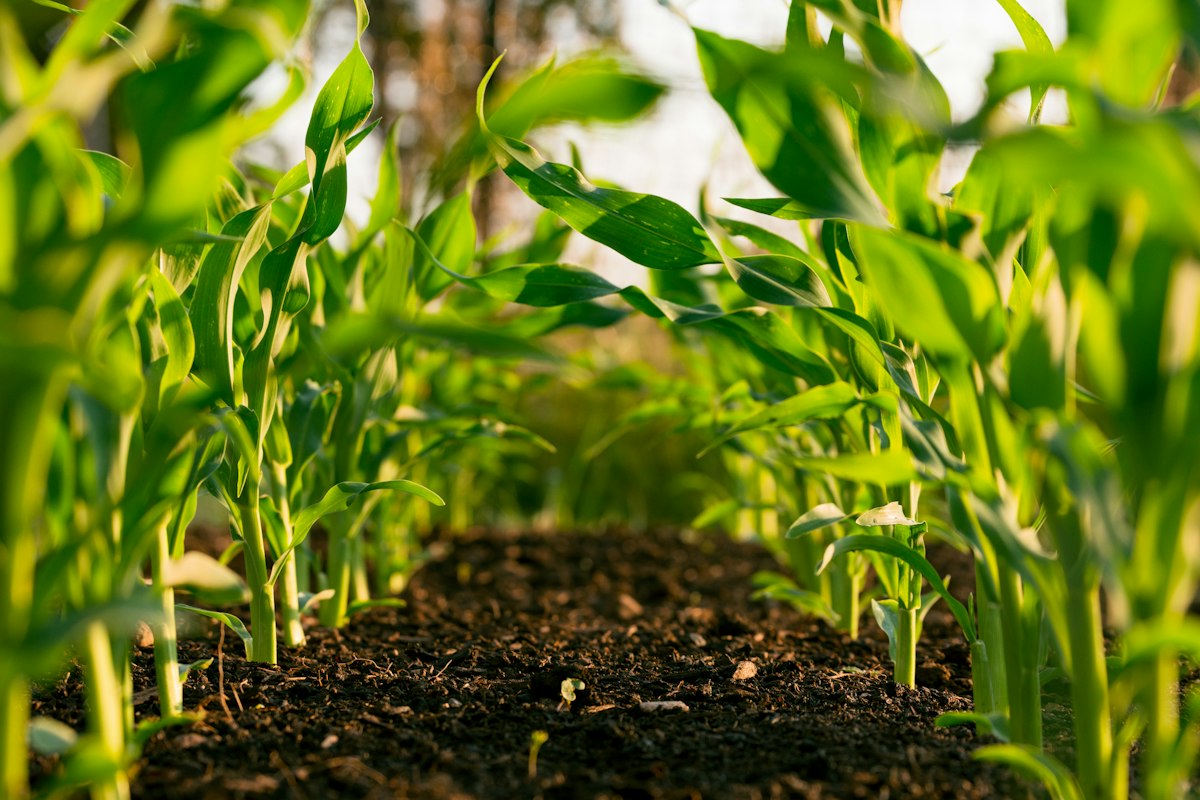
As consumer demand for organic produce continues to increase, Texas has emerged as a leading player in the organic farming sector, with significant growth reported over the past year.
According to the USDA, the number of certified organic farms in Texas has grown by 15% since 2023, with more than 1,700 organic operations now registered in the state. This growth can be attributed to a combination of changing consumer preferences and heightened awareness of sustainable farming practices.
Notably, the Hill Country region, particularly around Fredericksburg, has become a hotspot for organic farming. Local farmers are increasingly diversifying their crops to meet market demand, with organic vegetables, fruits, and even grains gaining traction. "Our organic tomatoes are flying off the shelves at the farmers' market," said Carla Johnson, owner of Hill Country Organics. "People are more health-conscious than ever, and they want to know where their food comes from."
The Texas Organic Farmers Association (TOFA) reports that the organic sector generated approximately $1.2 billion in sales last year alone, reflecting a broader trend towards organic products across the nation, which have seen an average annual growth rate of 10%.
However, the transition to organic farming is not without challenges. Farmers must navigate a rigorous certification process and often face initial financial hurdles. Nevertheless, many see it as a worthwhile investment. "The upfront costs can be daunting, but the long-term benefits, both financially and environmentally, are significant," Johnson added.
As more Texas farmers pivot towards organic practices, the state is well-positioned to satisfy the growing market while promoting sustainable agriculture. With initiatives to support organic farming, including grants and educational programs, the future looks promising for Texas' organic farming sector.