
As global oil prices continue to fluctuate, Texas oil producers are grappling with an uncertain future.
The Texas Railroad Commission reported a 10% decline in crude oil production in the first half of 2026 compared to the previous year, signaling a potential shift in the landscape of the state's vital energy sector. This decline comes amid soaring operational costs, primarily driven by inflation and regulatory changes aimed at reducing carbon emissions.
In the face of these challenges, companies like ConocoPhillips and Pioneer Natural Resources are revising their production strategies. ConocoPhillips recently announced a $2 billion reduction in its capital expenditures for the fiscal year, citing the need to maintain financial flexibility amidst rising costs. CEO Ryan Lance stated, "We are committed to returning value to our shareholders while navigating these turbulent market conditions."
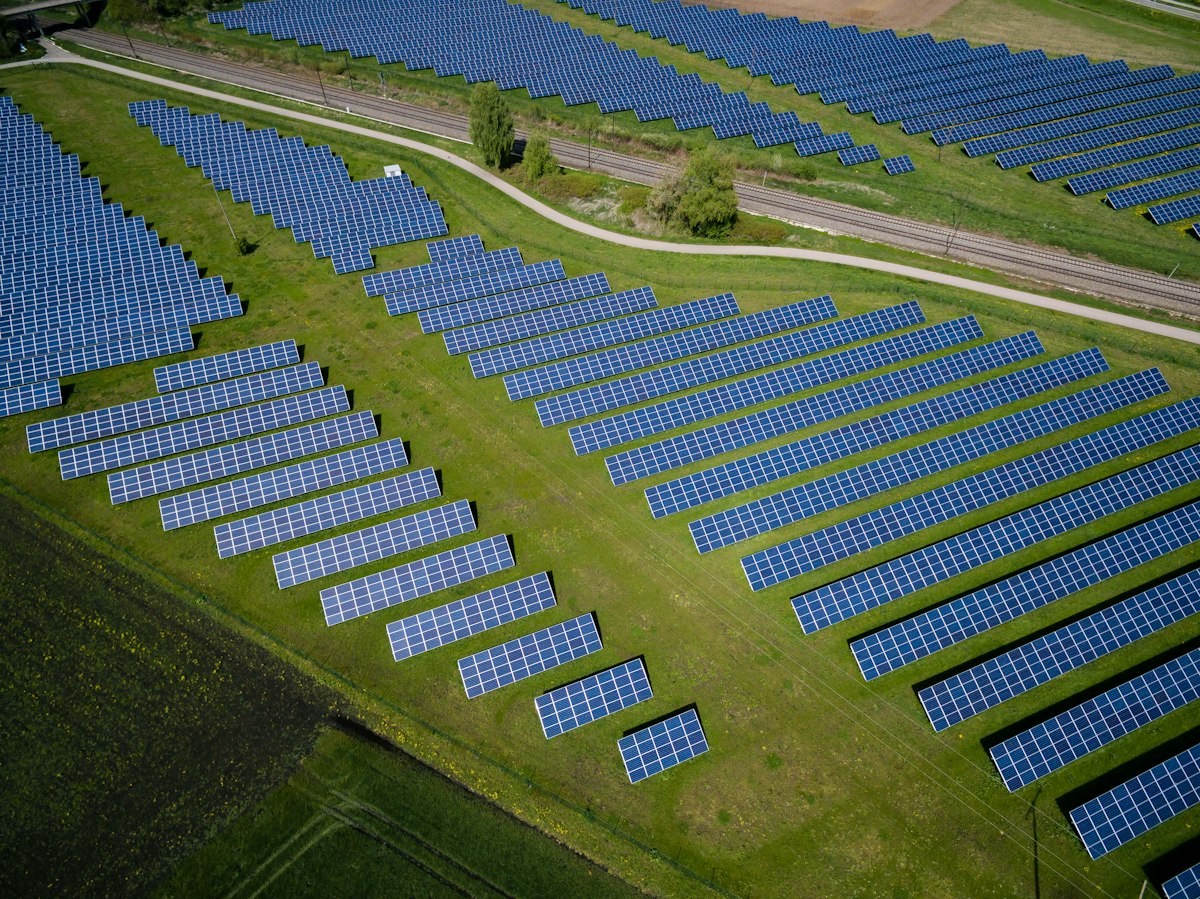
The Texas oil industry, which employs over 400,000 workers and accounts for approximately 13% of the state's GDP, is experiencing a shift that could redefine its future. Analysts suggest that the ongoing transition towards renewable energy sources is also influencing production decisions. For example, the Texas Renewable Energy Industry Association reported a significant 25% increase in wind and solar energy capacity over the last year, emphasizing a growing trend among energy producers to diversify their portfolios.
Moreover, the Biden administration's new energy policies, including stricter emissions regulations and incentives for renewable energy projects, are prompting Texas oil producers to reassess their long-term strategies. While the state has historically favored fossil fuels, the increasing viability of renewable sources poses both a challenge and an opportunity.
In response to these changes, many Texas oil companies are investing in technology to improve efficiency and reduce emissions. According to a report by Wood Mackenzie, investments in carbon capture and storage technologies are expected to reach $1.5 billion over the next five years, highlighting a concerted effort to adapt to the new energy landscape.
Local communities, particularly those in the Permian Basin, are feeling the impact of these shifts. The Midland Chamber of Commerce noted a 15% increase in unemployment rates in the area as companies downsize their operations in response to market pressures.
As the Texas oil sector braces for further uncertainty, many stakeholders are advocating for a balanced approach to energy production that incorporates both traditional and renewable sources. "We need a sustainable energy policy that supports job growth while also addressing our environmental responsibilities," said Tom Tunstall, a senior economist at the University of Texas at San Antonio.