
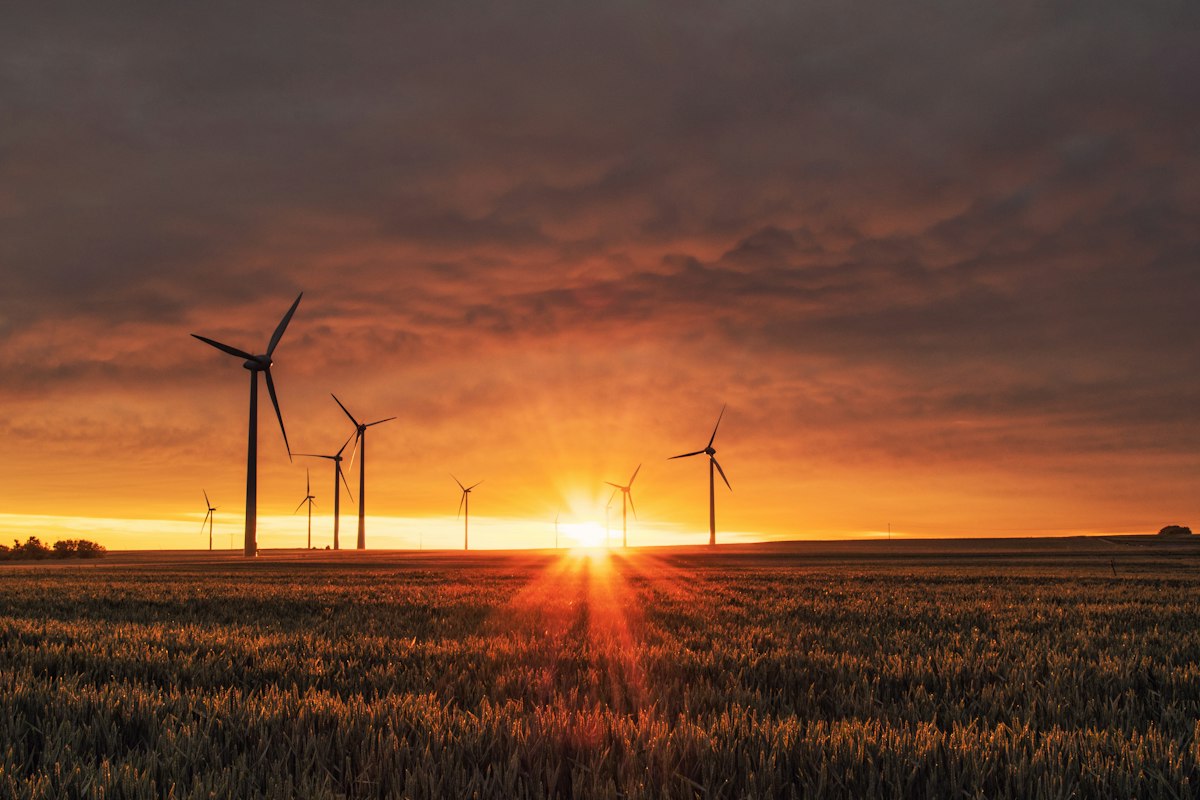
As the global energy landscape shifts towards sustainability, Texas’s oil market faces unprecedented challenges and opportunities, prompting a reevaluation of long-standing practices.
Recent analyses indicate that Texas' oil production, while still robust, has witnessed a gradual decline of approximately 3% year-over-year, reflecting a broader trend in shifting energy consumption patterns. In 2025, Texas produced around 4.3 million barrels per day, down from 4.4 million in 2024.
Industry leaders are recognizing the need for adaptation, especially as major oil companies pivot towards cleaner energy technologies. ExxonMobil, headquartered in Irving, has announced plans to allocate $15 billion over the next five years towards carbon capture and storage technology, as well as renewable energy initiatives.
“The future of energy is not just about oil—it's about a diversified approach that includes renewables. We are investing in technology to lead that transition,” said Darren W. Wood, Chairman and CEO of ExxonMobil.
Additionally, the Texas Oil and Gas Association has begun advocating for regulatory reforms to promote investment in clean energy technologies alongside traditional oil extraction methods. “We must ensure that Texas remains a leader in energy, not just through oil, but through innovation and sustainable practices,” stated President Todd Staples.
The state's economy, heavily reliant on oil revenues, is bracing for potential volatility. Experts suggest that the transition to a more diverse energy economy could take years, particularly as global demand for oil continues to fluctuate.
Despite these challenges, experts see potential for Texas to become a leader in sustainable energy technologies. The state's existing infrastructure and expertise in energy production can be leveraged to develop new markets in carbon management and renewable energy.
As Texas navigates this complex transition, stakeholders from various sectors must work collaboratively to create a balanced energy strategy that meets both current and future demands, ensuring Texas remains a cornerstone of the global energy market.