
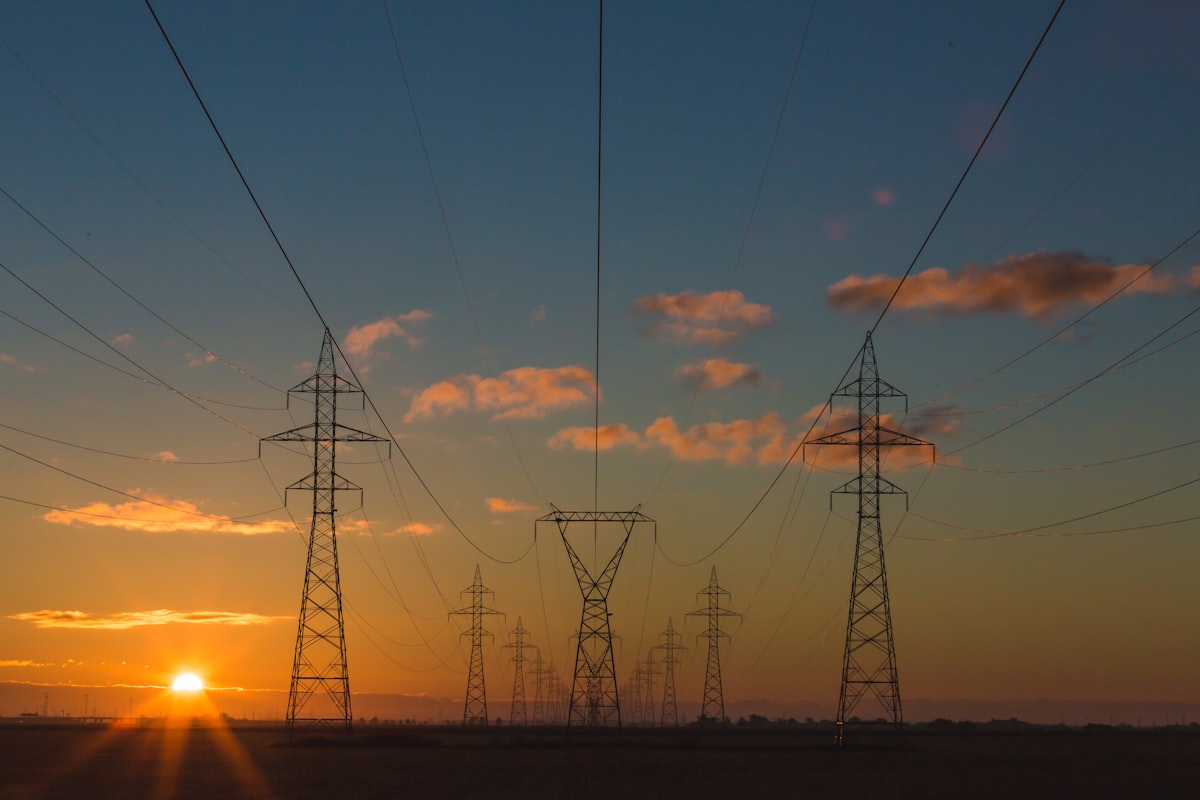
The Texas oil industry, a cornerstone of the state's economy, is grappling with a new wave of regulations aimed at curbing emissions and enhancing environmental protections.
On July 1, 2026, the Texas Commission on Environmental Quality (TCEQ) implemented stricter emissions standards for oil and gas operators. The new regulations require companies to reduce methane emissions by 30% by 2030, a move that has been met with both support and criticism within the industry.
Prominent oil companies based in Houston, such as ExxonMobil and Chevron, are now tasked with adjusting their operations to comply with these new mandates. ExxonMobil has announced an investment of $1 billion over the next five years to enhance its technologies aimed at reducing emissions.
“We recognize the importance of environmental stewardship and are committed to being part of the solution,” stated Linda Greene, Vice President of Sustainability at ExxonMobil. “This investment will not only help us meet regulatory requirements but also position us as leaders in sustainable energy practices.”
The new regulations come in response to growing public concern about the impact of fossil fuels on climate change and air quality. Environmental groups have applauded the TCEQ's decision, arguing that the oil industry must take significant steps to mitigate its environmental footprint.
However, the regulations have sparked concerns among industry advocates who fear that increased costs and compliance burdens could hinder economic growth and job creation. The Texas Oil and Gas Association has voiced its apprehension, emphasizing the need for a balanced approach that considers both economic and environmental impacts.
“While we support environmental protections, it is crucial that regulations are implemented in a way that does not jeopardize jobs in Texas,” remarked Tommy Wright, a spokesperson for the association. “The oil industry is integral to our state’s economy, and we must ensure that we can continue to thrive while meeting our environmental goals.”
As the oil industry navigates this regulatory landscape, many companies are also exploring innovative technologies that can reduce emissions while maintaining production levels. Carbon capture and storage (CCS) initiatives are gaining momentum, with several firms piloting projects across the state.
In the coming months, stakeholders from both sides of the debate will likely continue to engage in discussions surrounding the future of the Texas oil industry and its environmental responsibilities. The outcome of these dialogues may well dictate the direction of the industry for years to come.