
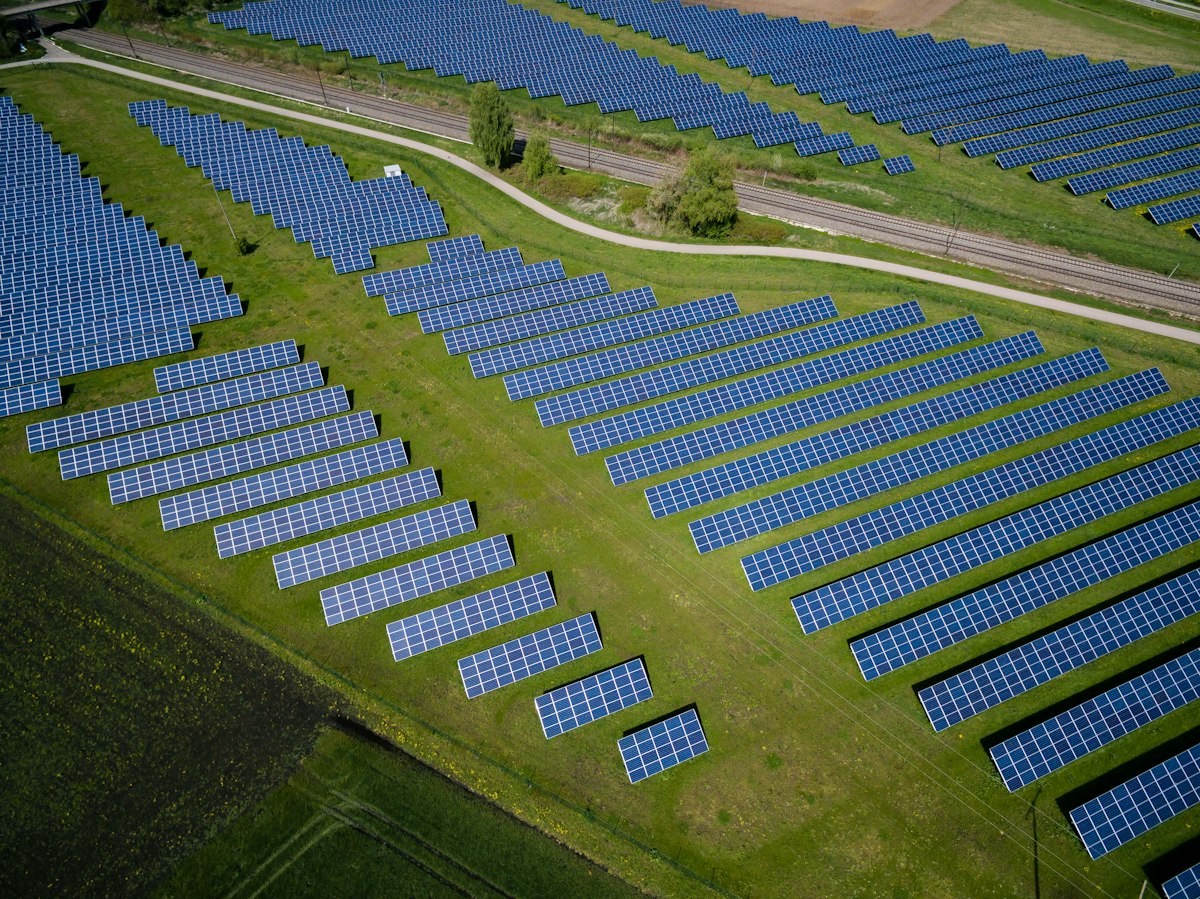
In a significant strategic shift, major oil companies based in Texas are redirecting their investments from traditional fossil fuels to renewable energy sources, driven by fluctuating market dynamics and increasing regulatory pressures.
Companies like ExxonMobil and ConocoPhillips, historically pillars of the Texas oil industry, are now announcing plans to allocate at least $10 billion combined towards solar and wind projects over the next five years. This marks a pivotal change as these corporations respond to the evolving expectations of investors and consumers alike.
“We recognize that the future of energy is not solely dependent on oil,” stated Darren W. Wills, Vice President of Sustainability at ExxonMobil. “Our commitment to reducing our carbon footprint is paramount, and investing in renewables is a significant step in that direction.”
As of May 2026, Texas remains the leading state in the nation for both oil production and wind energy generation. In 2025, the state produced a staggering 1.6 billion barrels of crude oil while also surpassing 31 gigawatts of wind power capacity. However, the pressure from environmental advocates and the increasing efficiency of renewable sources are challenging long-standing practices.
The transition is not without its challenges. The International Energy Agency (IEA) estimates that over 60% of the world’s energy needs will still be met by fossil fuels by 2040. Yet, Texas oil companies are finding that adapting their business models is crucial for long-term sustainability.
In Houston, the energy capital of the U.S., numerous new ventures are emerging as energy startups focus on clean technologies. Local initiatives, such as the Houston Clean Energy Accelerator, are fostering innovation by connecting entrepreneurs with investors, aiming to create a robust ecosystem for clean energy solutions.
Industry analysts are predicting that these shifts will not only impact the companies involved but will also reshape the labor market in Texas. According to the Texas Workforce Commission, the clean energy sector is set to create approximately 70,000 new jobs in the next five years as demand for skilled workers in renewables rises.
As the landscape evolves, it remains to be seen how traditional oil production will adapt. Stakeholders point out that while the immediate focus is on renewables, a balanced approach that includes both fossil fuels and clean energy is essential for meeting the nation’s energy demands without compromising economic stability.