
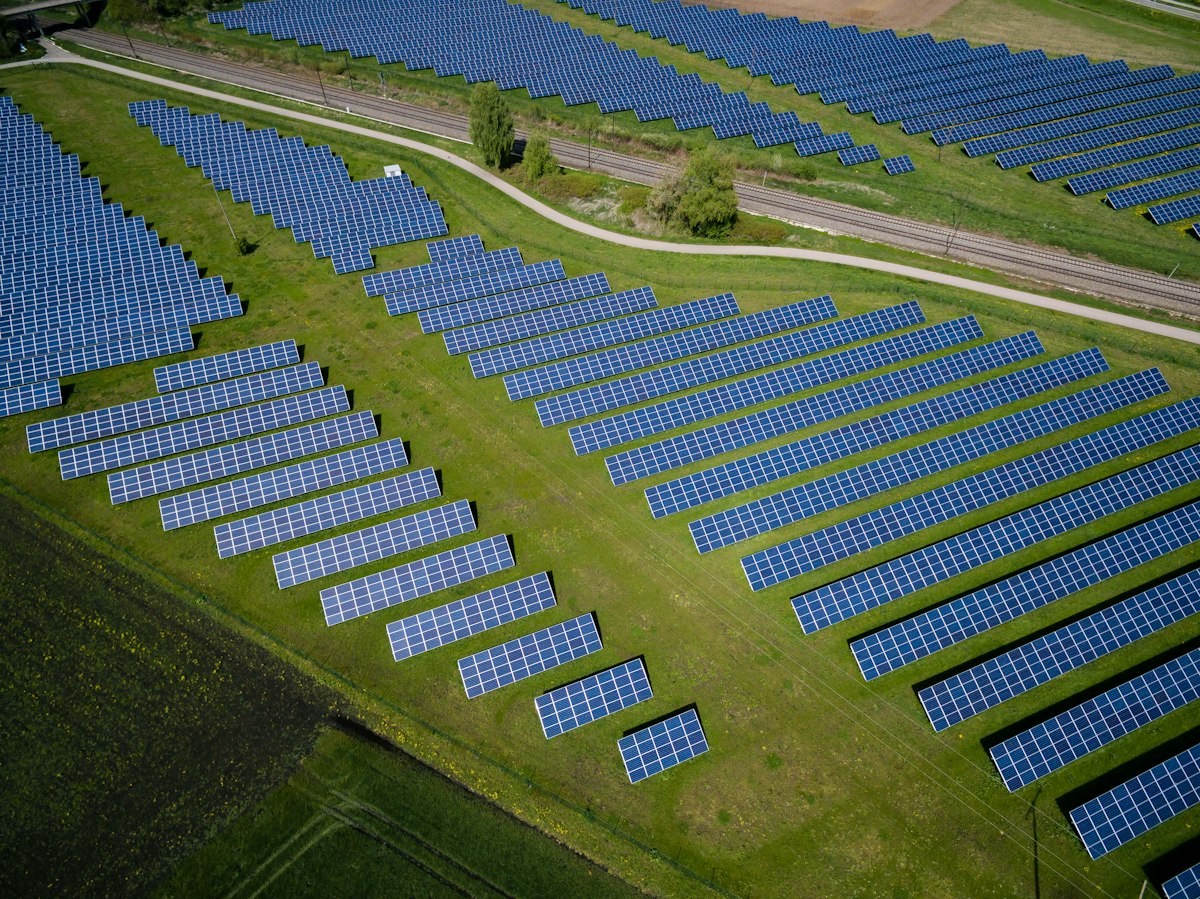
As the world grapples with the urgent need for sustainable energy solutions, Texas oil giants are increasingly investing in renewable energy projects. This shift comes in the wake of growing regulatory pressures and changing consumer preferences toward cleaner energy.
On July 5, 2026, Houston-based ExxonMobil announced plans to allocate $10 billion over the next five years toward the development of solar and wind energy facilities across the state. This strategic pivot aims to diversify the company’s portfolio and reduce its carbon footprint, aligning with the broader objective of achieving net-zero emissions by 2050.
“The energy landscape is evolving, and we must adapt to meet the expectations of our stakeholders and society at large,” said Darcy D. Stigler, Vice President of Renewable Energy at ExxonMobil. “Our investment in renewables reflects our commitment to a sustainable energy future for Texas and beyond.”
Meanwhile, Chevron has also announced its intention to invest $8 billion in carbon capture and storage technologies, hoping to establish a robust framework for reducing greenhouse gas emissions from its oil operations. The company’s headquarters in San Ramon is working closely with its Texas team in Midland to implement these technologies effectively.
The pivot towards renewable energy is not without challenges. While Texas leads the nation in wind energy production, concerns about intermittency and infrastructure capacity remain significant hurdles. The state currently generates approximately 30% of its electricity from renewable sources, a figure expected to rise as companies invest in new technologies.
In the competitive landscape of energy, companies like NextEra Energy, headquartered in Florida but heavily invested in Texas, are capitalizing on the state’s favorable regulatory environment to expand their solar farms. The company reported a 25% increase in revenue attributed to its Texas operations in the first quarter of 2026.
As Texas continues to lead the nation in energy production, the dual focus on fossil fuels and renewable energy could shape the state's economic landscape for years to come. Stakeholders across the energy spectrum are watching closely, as the decisions made today will have lasting implications for both the environment and the economy.