
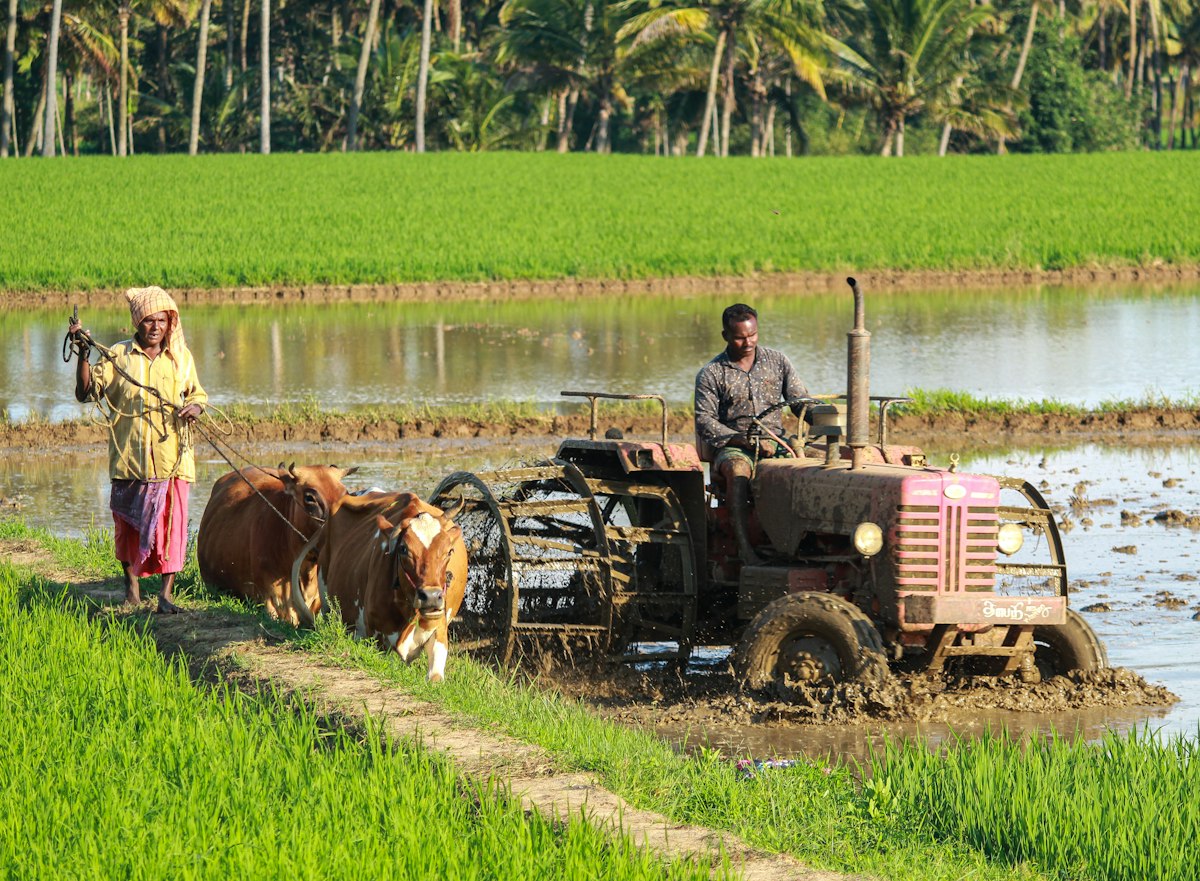
The Texas livestock industry is witnessing a significant surge in demand for organic meat, as consumers increasingly prioritize health and sustainability in their food choices.
In July 2026, the Texas Department of Agriculture reported that organic meat sales have grown by 35% over the past two years, a trend that has prompted many ranchers to transition to organic practices. This shift not only caters to consumer preferences but also positions Texas as a leader in the organic meat market.
“Consumers are more aware than ever of where their food comes from, and they want organic options,” said Tom Jenkins, a livestock producer from Amarillo. “We've seen a dramatic increase in sales and inquiries for our organic beef products.”
In 2025, organic beef alone accounted for approximately $350 million of the state’s $10 billion cattle industry. Ranchers are now exploring organic certification processes as a way to tap into this lucrative market. The transition often involves adhering to strict standards regarding animal welfare, feed, and land management.
To support this growing sector, the Texas Organic Farmers and Gardeners Association has launched initiatives aimed at assisting ranchers in navigating organic certification. “Our workshops provide vital information and resources to help ranchers make this transition smoothly,” stated Karen Williams, executive director of the association.
As more ranchers adopt organic practices, the state is also seeing a rise in local meat-processing facilities that cater to organic products. This development not only adds value to the livestock supply chain but also helps local economies.
However, the transition to organic farming is not without challenges. Many ranchers face higher production costs and the need for a longer-term commitment before seeing returns on investment. Nonetheless, industry experts believe that the demand for organic meat will continue to grow.
“We’re at the beginning of a major shift in consumer behavior,” predicted Dr. Sarah White, an agricultural economist at Texas A&M. “Ranchers who adapt will thrive in this new market.”
As Texas continues to expand its organic livestock sector, the combination of consumer demand and supportive policies could pave the way for a more sustainable future in agriculture.