
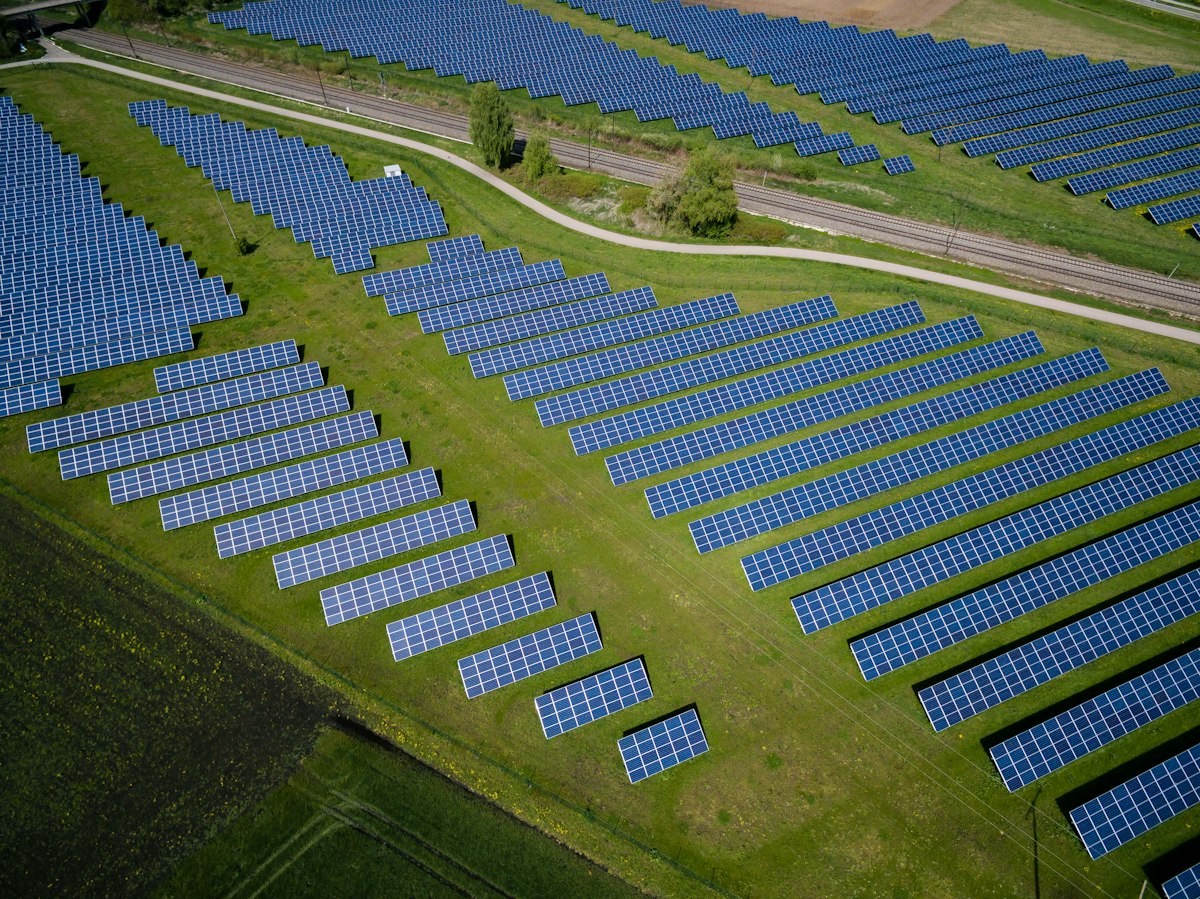
As of July 2026, Texas has solidified its status as a leader in renewable energy generation, driven by favorable legislation and significant investments.
In the past year alone, the state has seen a remarkable 32% increase in wind and solar capacity, with projections suggesting it will surpass 100 gigawatts of renewable energy generation by the end of 2027. This surge has been fueled by recent legislative changes that encourage clean energy initiatives and provide tax incentives for solar and wind projects.
The Texas Legislature passed the Energy Transition Act in early 2026, which aims to phase out fossil fuel subsidies and allocate funding for renewable infrastructure. According to John Thompson, the CEO of Texas Renewable Energy Association, "This legislation marks a pivotal moment for our energy landscape. We are not just transitioning; we are leading the charge towards a sustainable future."
Major cities like Houston and Dallas are at the forefront of this transformation. In Houston, the Port of Houston Authority has announced a $200 million investment in solar energy projects, aimed at powering operations and reducing carbon emissions by 40% by 2030. Similarly, Dallas plans to leverage its abundant sunlight, with a goal of generating 1,500 megawatts of solar energy by 2028.
However, not all stakeholders are optimistic about the immediate future. Some experts warn that the rapid pace of change could lead to grid instability, particularly during peak demand periods. The Electric Reliability Council of Texas (ERCOT) has been closely monitoring these developments, as increased reliance on intermittent energy sources may challenge the existing power grid.
In response, ERCOT has emphasized the importance of energy storage solutions and grid enhancements. The Texas Energy Storage Fund has been allocated $50 million to promote the development of battery storage technologies, which are crucial for balancing supply and demand.
Despite the challenges, investors remain bullish on Texas' renewable energy market. Investment in clean energy projects is expected to reach $10 billion in 2026, up from $7 billion the previous year. This influx of capital is attracting both domestic and international players to the Texas energy landscape.
As Texas continues to lead the nation in renewable energy, it faces the dual challenge of maintaining grid reliability while pushing forward with ambitious sustainability goals. The coming years will undoubtedly shape the future of energy not just in Texas, but across the United States.