
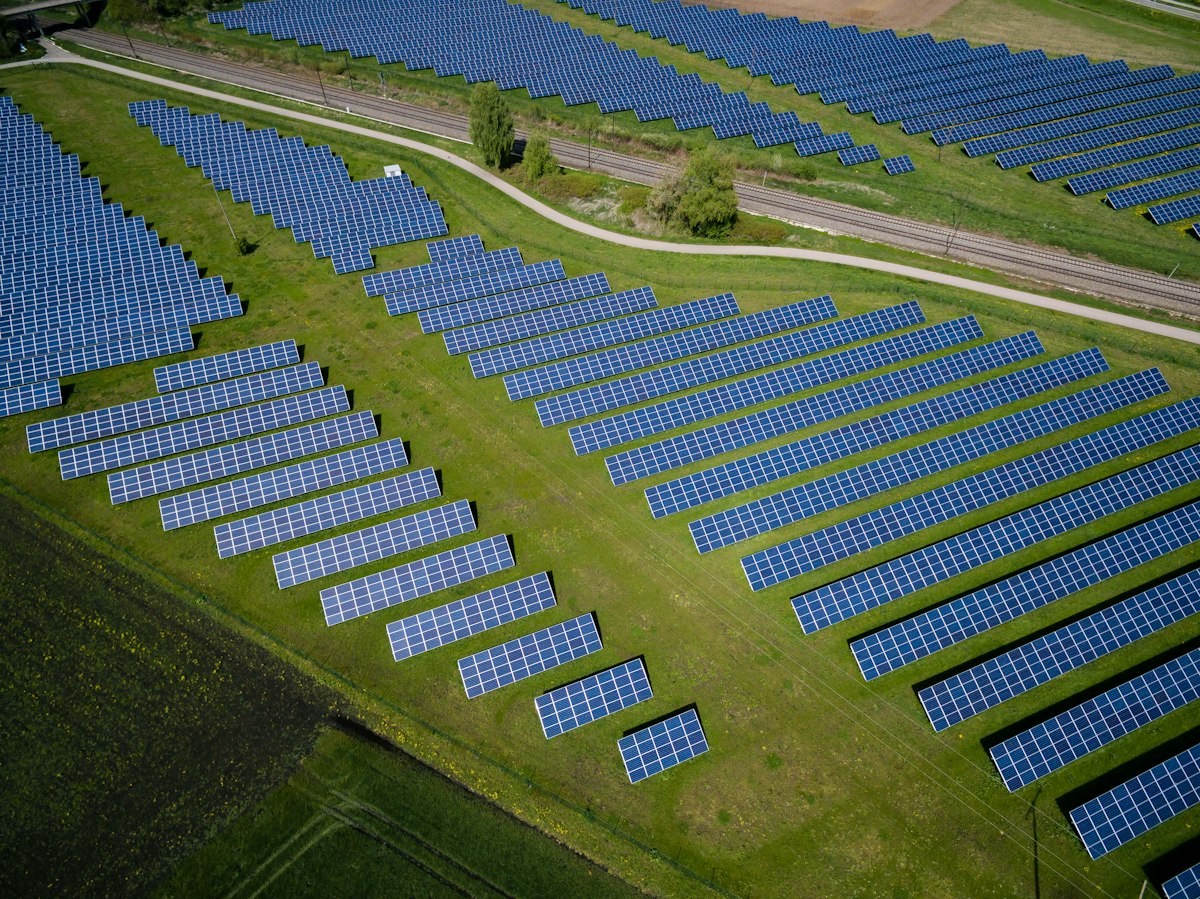
As the demand for cleaner energy sources escalates, Texas has emerged as a leader in renewable energy production, with wind and solar power now accounting for over 30% of the state's electricity generation as of mid-2026.
According to the latest report from the Electric Reliability Council of Texas (ERCOT), wind energy alone contributed approximately 24% of the total energy mix in June 2026, with solar power following closely behind at 7%. This significant uptick in renewable energy usage coincides with the state's ambitious goal of achieving 50% renewable generation by 2030.
Governor Greg Abbott emphasized the importance of these developments, stating, “Texas is not just the leading oil producer; we are also leading the way in renewable energy. Our commitment to a diversified energy portfolio ensures a reliable and sustainable future for all Texans.”
The surge in renewables has been bolstered by a combination of favorable state policies, advanced technology, and substantial investments from private companies. Major players like NextEra Energy and Enphase Energy have invested billions in Texas, resulting in the construction of extensive solar farms and wind turbine installations across the state.
In addition, the state has seen a remarkable increase in job creation within the renewable sector. According to the Texas Workforce Commission, employment in the renewable energy industry surged by 15% in 2025, leading to the creation of approximately 20,000 new jobs. Austin-based Clean Energy Futures reported that they are actively recruiting talent to meet growing demands.
Despite the remarkable strides in renewables, challenges remain. The state's grid faced significant strain during the winter storms of 2021, highlighting vulnerabilities in energy supply chains. ERCOT has since taken measures to enhance grid reliability and integrate more renewable sources, even amid unpredictable weather patterns.
Moreover, the recent implementation of the Inflation Reduction Act has provided additional federal support for renewable projects in Texas. This has further incentivized developers to pursue wind and solar initiatives, potentially increasing investment in energy infrastructure by an estimated $10 billion over the next five years.
As Texas continues to expand its renewable energy capacity, it faces competition from neighboring states, particularly California and New Mexico, which are also ramping up their renewable initiatives. However, with Texas' existing infrastructure and favorable geographical conditions, analysts predict that it will maintain its lead in renewable energy production in the years ahead.
“The future of energy in Texas is bright,” said Dr. Sarah Whitaker, an energy expert at the University of Texas at Austin. “The trajectory we are on is not just sustainable; it's a model for other states to follow.”