
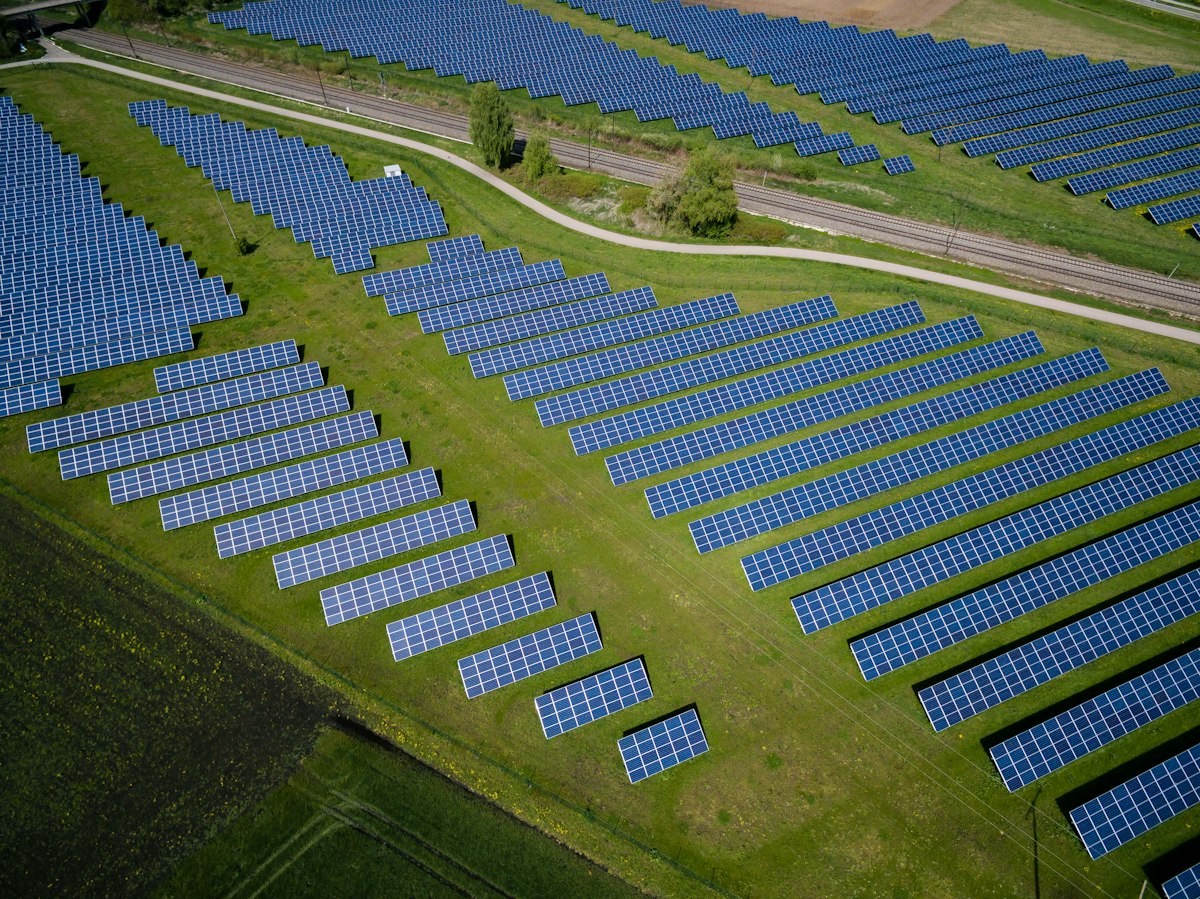
As the nation shifts its focus toward sustainability, Texas is emerging as a leader in renewable energy investments, with over $15 billion pledged in 2026 alone.
In a bold move, the Texas Energy Commission announced new initiatives aimed at increasing the state’s renewable energy capacity to 30% by 2030. This ambitious target is in line with Governor Greg Abbott's vision to position Texas as a global leader in clean energy. The initiative is expected to be supported by major players in the industry, including NextEra Energy and Duke Energy, both of which have committed substantial financial resources toward expanding wind and solar projects.
“The future of energy is renewable, and Texas is perfectly poised to lead that charge,” said Energy Commission Chair Teresa Smith. “Our state has the natural resources, infrastructure, and innovation to make this transition not just possible, but profitable.”
In the past year, Texas has seen a remarkable 20% increase in energy generated from wind and solar, contributing to a total of 60,000 megawatts from renewable sources. The state's vast landscapes provide an ideal setting for wind farms, while its sunny climate offers exceptional conditions for solar panels. Houston-based NextEra Energy, one of the largest renewable energy companies in the country, has announced plans to build a new solar park in the Panhandle region, projected to generate 500 megawatts by the end of 2027.
With these developments, Texas is not only addressing climate change but also creating jobs. The renewable sector is projected to create over 50,000 jobs in the next five years, providing a much-needed boost to the local economies in areas like Lubbock and Amarillo. Local officials are optimistic, stating that this investment will help diversify their economies beyond traditional oil and gas sectors.
However, the transition is not without its challenges. Industry experts warn that significant upgrades to Texas’s power grid are necessary to accommodate the increasing influx of renewable energy. The Electric Reliability Council of Texas (ERCOT) has been under scrutiny for its handling of the state’s energy crisis during Arctic weather events in 2021, and ensuring grid reliability during the energy transition remains a priority.
As the state continues to push forward, the balance between maintaining the oil and gas industry while expanding renewable resources will be critical. The Texas Oil and Gas Association has expressed concerns that rapid growth in renewables could threaten the traditional energy sector, which still employs hundreds of thousands across the state.
Nonetheless, as investments pour in, Texas is set to transform its energy landscape, paving the way for a cleaner, more sustainable future.