
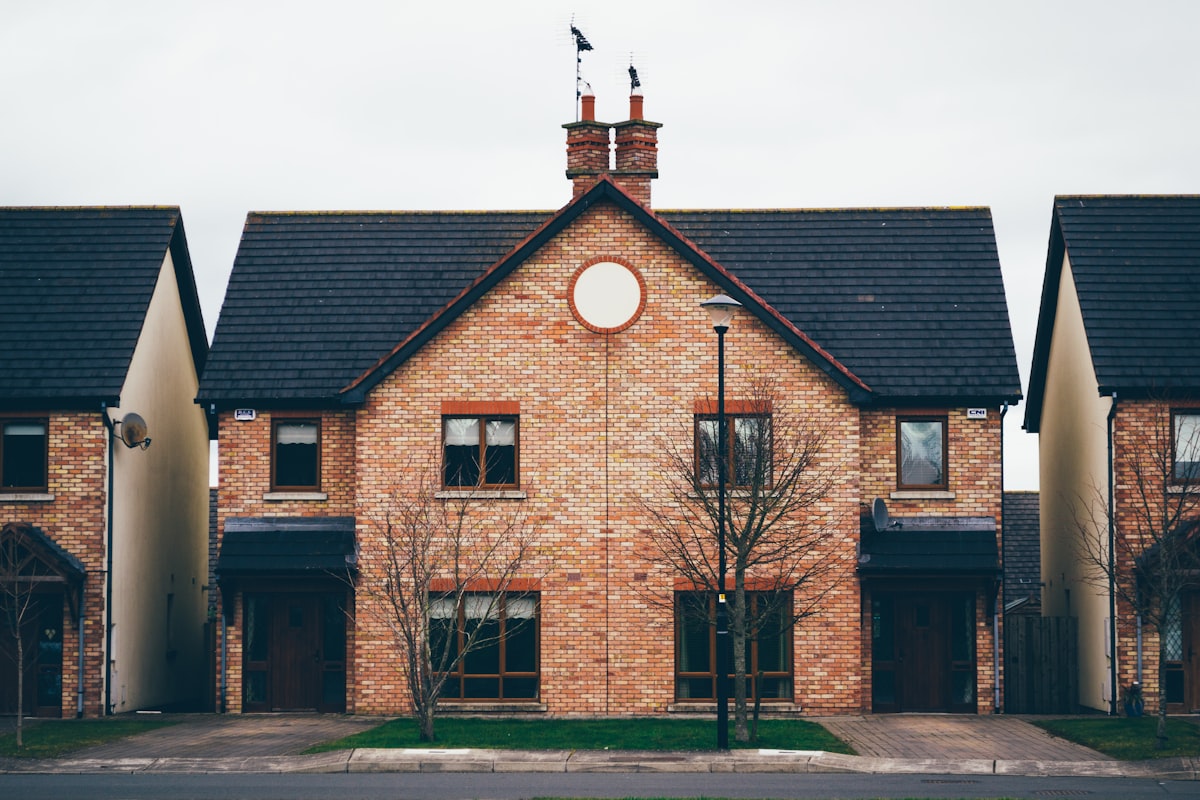
In Texas, escalating land prices are reshaping the agricultural landscape as urban development continues to encroach on rural areas.
Recent reports indicate that land prices in Texas have surged by 12% over the past year, driven by high demand from both agricultural producers and developers seeking to capitalize on the growing population. According to the Texas A&M Real Estate Center, an acre of rural land now averages around $3,000, marking a significant increase compared to previous years.
The influx of new residents in urban centers like Dallas and Austin is prompting developers to expand outward, leading to increased competition for land. In the outskirts of Austin, for instance, land previously valued at $2,500 per acre in 2023 is now selling for upwards of $4,000 per acre. "The rapid growth of urban areas is inevitably leading to higher prices as developers look to secure prime real estate before it becomes scarce," explained Dr. Emily Carter, an agricultural economist at Texas A&M University.
This trend is not only influencing developers but also impacting local farmers who face the dual challenge of rising operational costs and competition for land. Many agricultural producers are being forced to sell their land as development encroaches, disrupting long-standing farming traditions. In fact, recent surveys show that nearly 25% of farmers in central Texas have considered selling their land due to rising costs and pressures from urbanization.
In response, some farmers are exploring innovative strategies to maintain their land and adapt to the changing market. Initiatives focusing on sustainable farming practices and agritourism are gaining traction, enabling landowners to diversify their income sources while preserving their agricultural heritage.
Additionally, Texas lawmakers are becoming increasingly aware of the implications of rising land prices on both agricultural sustainability and urban planning. Several bills aimed at protecting farmland and promoting sustainable development are currently being debated in the Texas Legislature. "It's crucial that we find a balance between development and the preservation of our agricultural resources," noted State Representative John Miller.
As urban centers continue to expand and land ownership dynamics shift, the future of Texas's agricultural land remains uncertain. Stakeholders from both the agricultural and development sectors must collaborate to ensure that both interests are represented in future planning efforts. The ongoing discussion surrounding land use policies will play a pivotal role in shaping the state's landscape for years to come.