
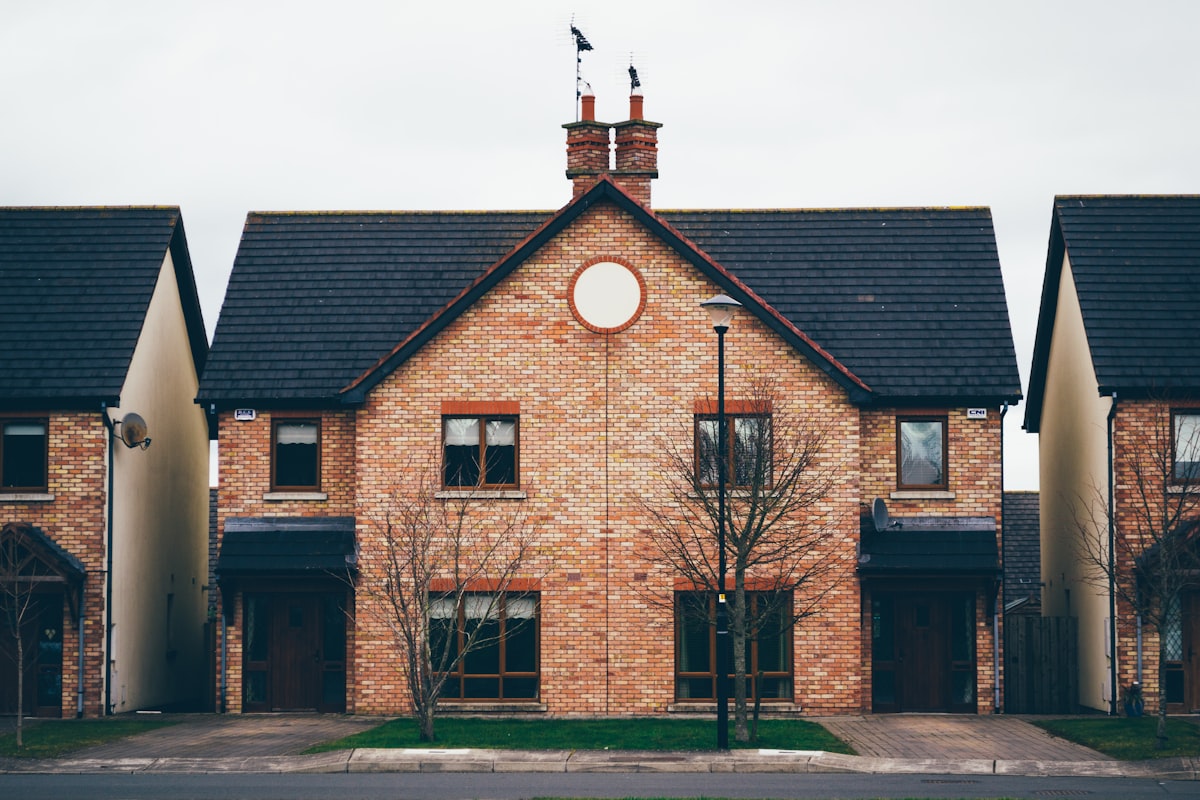
As Texas continues to experience significant population growth, the race for land development is intensifying, raising critical questions about environmental sustainability and urban planning.
According to the U.S. Census Bureau, Texas saw a population increase of over 1.2 million residents from 2020 to 2025, making it one of the fastest-growing states in the nation. This influx has spurred a surge in demand for residential and commercial development, particularly in metropolitan areas such as Austin, San Antonio, and Fort Worth.
However, the rapid pace of development has not come without challenges. Environmental advocates argue that unchecked growth is leading to habitat destruction, increased air pollution, and strain on water resources. “We must find a way to balance developmental needs with our responsibility to protect the environment,” emphasized Dr. Hannah Wilkins, an environmental scientist with the Texas Parks and Wildlife Department.
Recent proposals for new developments near the Texas Hill Country have sparked intense debate among local communities and environmental groups. Developers are eager to take advantage of the booming market, yet many residents express concerns about the long-term impact on local ecosystems.
In response to these concerns, some developers are beginning to adopt sustainable practices, such as incorporating green spaces and using environmentally-friendly building materials. For instance, the Austin-based firm Green Communities has made headlines for its commitment to constructing energy-efficient homes that blend seamlessly with the natural landscape.
The Texas government has also begun to take steps to address these issues, launching initiatives aimed at promoting sustainable development. Governor Greg Abbott recently announced a new task force focused on innovative land use strategies that prioritize conservation alongside growth.
The backlash against rapid development has led to increased public interest in zoning reforms. Local governments are being pressured to implement stricter zoning laws to protect green spaces and manage urban sprawl effectively.
As Texas navigates this complex landscape of growth and environmental stewardship, the next few years will be critical in determining how to create a sustainable future. “It’s about making informed decisions that will benefit both the economy and the environment,” Dr. Wilkins added, highlighting the need for collaborative efforts among developers, policymakers, and community stakeholders.