
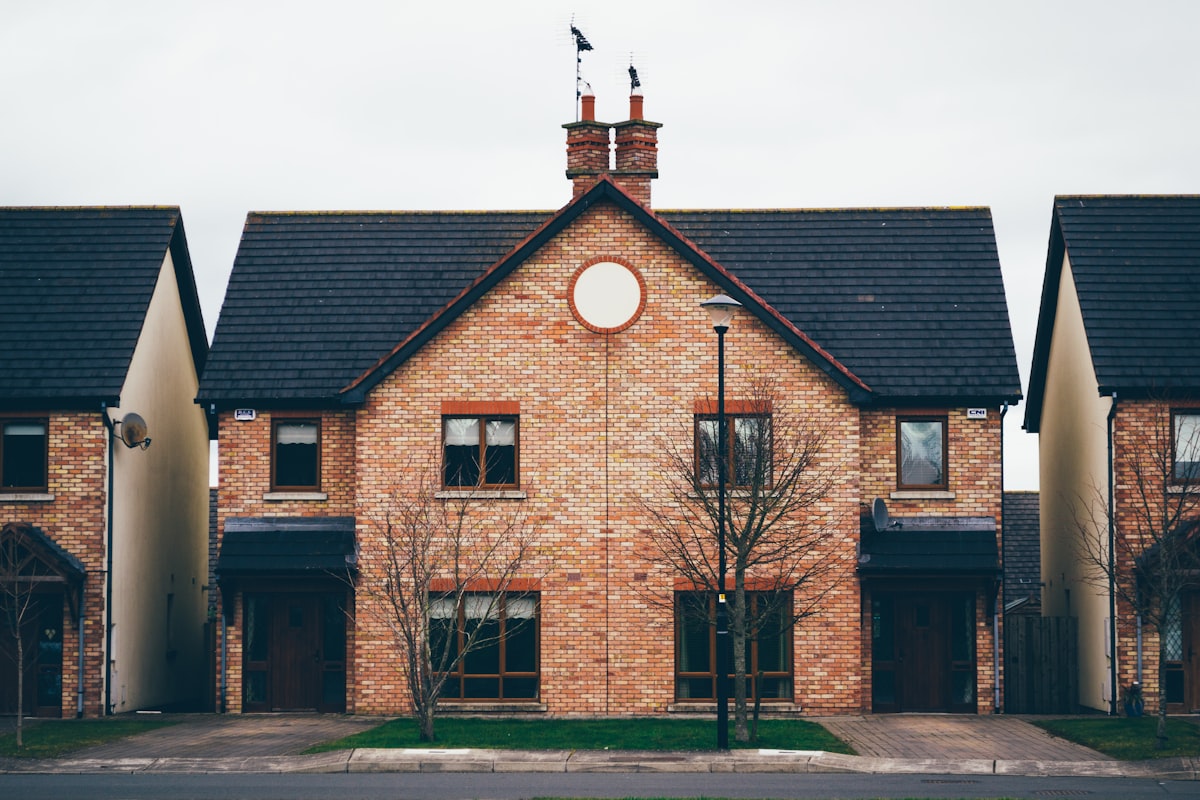
A new wave of sustainable land development is sweeping across Texas, reshaping landscapes and promoting eco-friendly practices in response to growing environmental concerns.
Cities like Austin and San Antonio are leading the charge in creating environmentally responsible developments that prioritize green spaces, energy efficiency, and community well-being. Recent projects such as the Greenwood Community in Austin have set new benchmarks for sustainable urban design.
The Greenwood Community, developed by EcoBuild Group, integrates solar energy, water conservation systems, and extensive parks to create a holistic living environment. Ben Foster, the project manager, remarked, “Our goal was to create a neighborhood that connects residents with nature while providing modern conveniences.”
Additionally, the city of San Antonio has implemented a stringent set of guidelines for new developments to reduce their carbon footprint. The San Antonio City Council recently passed a resolution mandating that all new buildings meet certain sustainability criteria, including the use of recycled materials and energy-saving technologies.
This focus on sustainability is not merely a trend; it reflects a broader shift in consumer preferences. According to a recent survey conducted by the Texas Conservation Alliance, nearly 70% of prospective home buyers indicated that they would pay extra for homes with sustainable features.
Moreover, developers are increasingly recognizing the financial incentives associated with sustainable building practices. Properties designed with eco-friendly features often command higher market values and attract a more engaged community. The Dallas-Fort Worth area, in particular, has seen a rise in demand for green buildings, with a reported increase of 25% in eco-friendly home sales over the past year.
However, challenges remain for developers in balancing profitability with sustainability. As land prices continue to rise, incorporating green features can increase initial costs. Rachel Smith, a sustainability consultant, emphasized that “while the upfront investment may be higher, the long-term savings on utilities and maintenance make it worthwhile for both developers and homeowners.”
As Texas moves forward, the integration of sustainable practices in land development will likely continue to grow. The state's unique environment and demographic trends make it well-suited for innovative solutions that can promote a greener future.