
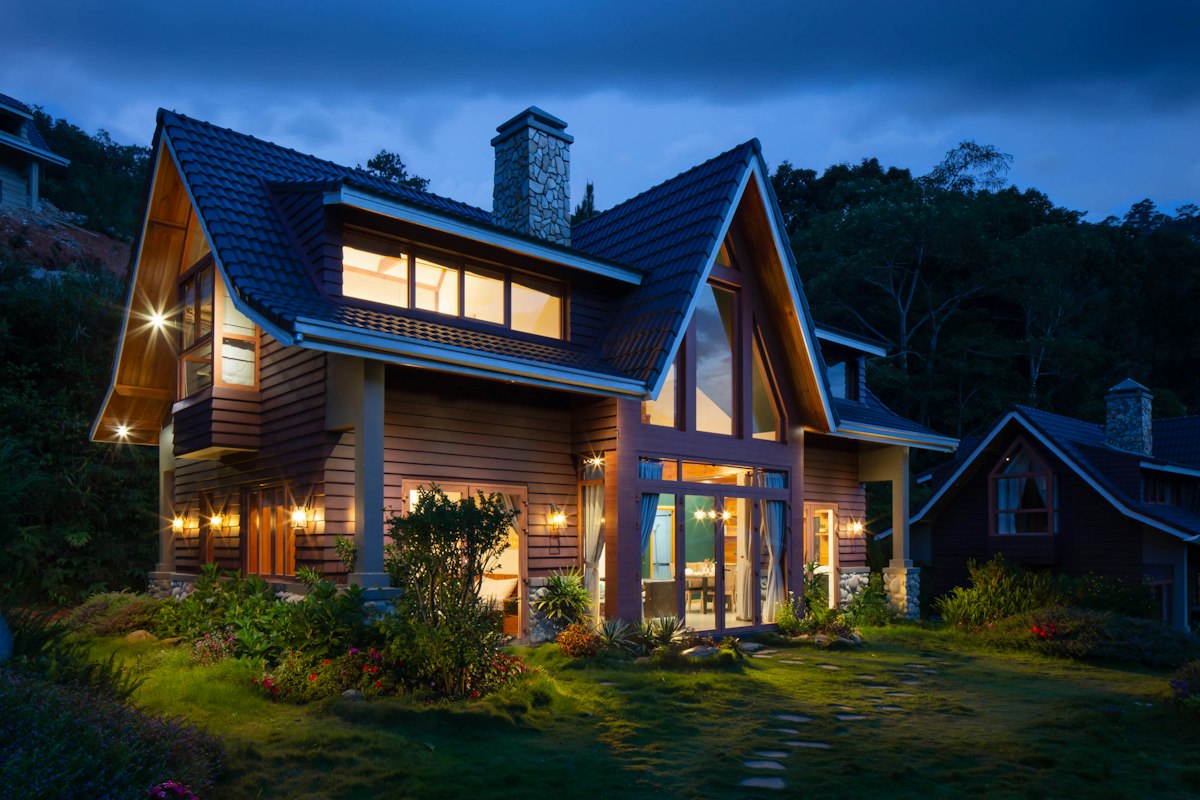
As interest rates reach a 20-year high, the Texas housing market faces unprecedented challenges, leading to increased affordability issues and potential shifts in buyer behavior.
July 2026 marks a significant turning point for the real estate landscape in Texas, as the Federal Reserve's recent decision to raise interest rates to a staggering 7% has sent shockwaves through the housing market. This adjustment marks the highest rate since 2006, prompting concerns among homeowners and prospective buyers alike.
According to the Texas A&M Real Estate Center, the median home price in Texas has surged to $420,000, up from $375,000 just a year ago. Coupled with higher borrowing costs, the increased price tags are pushing many first-time buyers out of the market. "We are seeing a dramatic decline in purchasing power for many buyers, especially younger families who are looking to settle down," stated Dr. Jim Gaines, Chief Economist at the Texas A&M Real Estate Center.
Houston, one of Texas' largest cities, has felt the brunt of these changes. The city, known for its relatively affordable housing, has seen its year-over-year sales drop by 15% in the first half of 2026 compared to the same period in 2025. With the average 30-year fixed mortgage rate climbing to 7.5%, many residents are reconsidering their home buying plans.
"We're witnessing a shift where potential buyers are opting to lease instead of purchase, which is a significant change from the previous years when the demand was heavily tilted towards buying," explained David Jones, owner of Urban Living, a prominent real estate firm in Houston.
Austin, known for its robust tech industry and vibrant culture, is also grappling with these rising rates, where homes now cost an average of $575,000. The city's rental market is booming, with rental prices increasing by nearly 20% in some neighborhoods as more individuals seek temporary housing solutions.
Developers are adjusting their strategies, focusing on building affordable housing units to meet the needs of a shifting demographic. The lack of affordable housing is becoming an urgent issue, with many advocates calling for policy changes to incentivize developers to construct lower-cost homes.
"If we don't address the affordability crisis now, we risk losing the diversity and character that makes Texas cities so attractive," remarked Maria Lopez, a community organizer in Austin. The ramifications of these economic changes are likely to resonate throughout 2026 and beyond, marking a critical period in Texas real estate.