
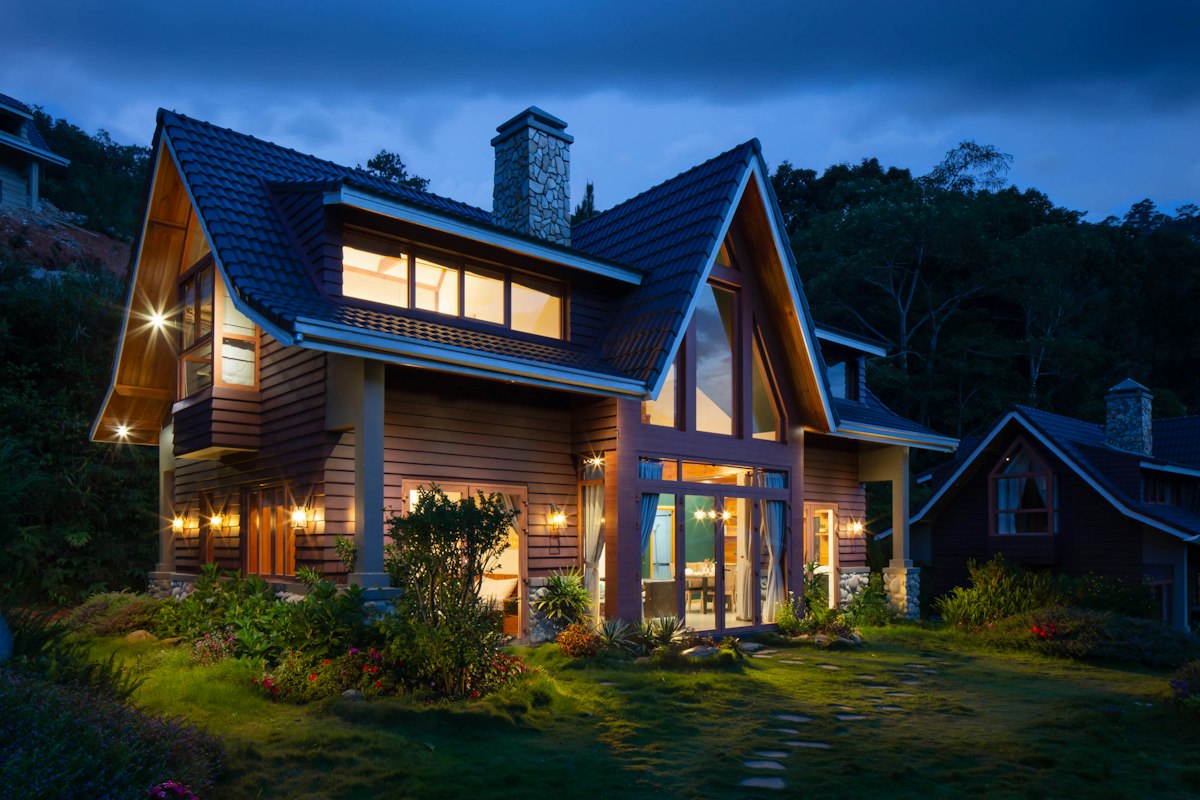
As of July 2026, Texas is witnessing an unprecedented surge in home prices, driven by a combination of tight inventory and heightened demand, particularly in urban centers such as Austin and Dallas.
According to the Texas Real Estate Research Center, the average home price in Austin has reached $700,000, marking an increase of 15% from the previous year. Similarly, Dallas has experienced a nearly 12% rise, bringing the average price to $550,000. The inventory of single-family homes in both cities is currently below a two-month supply, which is significantly lower than the six-month supply typically considered a balanced market.
"We're seeing a perfect storm of factors driving up prices—low interest rates, an influx of tech companies, and a population boom as people move to Texas for job opportunities," states Dr. Jim Gaines, chief economist at the Texas Real Estate Research Center.
In the Austin area, the number of homes sold in the first half of 2026 decreased by 20% year-over-year, highlighting the stark contrast between buyer interest and available properties. This trend is prompting many potential buyers to explore suburban areas, where they hope to find more affordable options.
The current market dynamics are further complicated by rising construction costs and supply chain disruptions. Builders are struggling to keep pace with demand, which has led to a significant backlog of new homes. In some cases, buyers are finding themselves in bidding wars, with homes selling for tens of thousands of dollars above the asking price.
As the market continues to tighten, questions loom about sustainability. "While rising prices can be a boon for homeowners, they create challenges for first-time buyers and lower-income families," warns Kelly McGuire, a real estate agent in Dallas. "We need more affordable housing options to prevent a crisis in housing accessibility."
The Texas legislature is under increasing pressure to address housing affordability, with proposed measures ranging from tax incentives for developers to increased funding for affordable housing projects. However, critics argue that such solutions may take too long to implement, leaving many families in a precarious situation.
As 2026 progresses, the eyes of the nation remain fixed on Texas, watching closely to see how these dynamics unfold and what solutions may emerge to balance the housing market.