
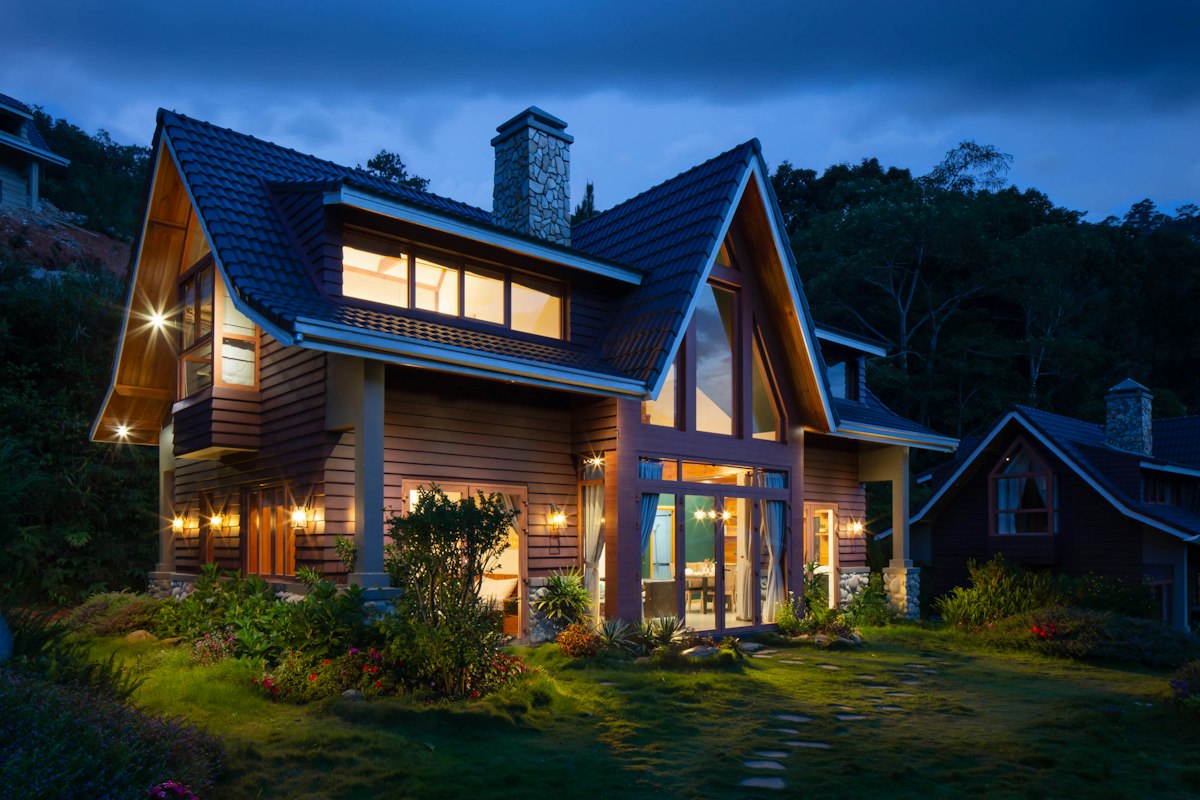
As of July 2026, the Texas real estate market continues to defy national trends, with home prices surging by an astonishing 15% year-over-year across major metropolitan areas.
According to the Texas Real Estate Research Center, the median home price in Houston has reached $365,000, a significant increase from $315,000 just a year prior. Austin's median home price has skyrocketed to $550,000, fueled by a robust tech sector and an influx of new residents seeking affordable living.
"The demand for housing in Texas is insatiable right now, with many buyers prepared to pay above asking price to secure their dream homes," said Jennifer McKinney, a leading real estate agent in the Austin area. "We are witnessing bidding wars become the norm, particularly for properties in desirable neighborhoods."">
Dallas is not far behind, with the median home price rising to $480,000, reflecting a trend that has been consistent across the state. Factors such as low unemployment rates, continued job growth, and an influx of young professionals relocating to Texas have kept the housing market vibrant.
Moreover, a recent report from Zillow predicts that prices could climb another 10% by the end of the year as demand remains strong amid a shortage of available homes. The lack of inventory—down 25% compared to last year—has exacerbated the situation, making it increasingly difficult for potential homebuyers to find suitable properties.
In the commercial real estate sector, the demand for office space is also experiencing an uptick as companies return to in-person work. Notably, firms like Oracle and Tesla are expanding their footprints in Texas, further stimulating the market.
However, concerns about affordability are rising as more families are pushed out of the market. Cities like San Antonio and Fort Worth, traditionally known for their reasonable housing costs, are also seeing upward pressure on prices. As a result, many families are considering suburban areas as more affordable alternatives.
As Texas continues to attract both businesses and individuals, the real estate landscape is likely to evolve, reflecting broader economic trends. While the boom presents opportunities, it also raises questions about sustainability and long-term affordability.