
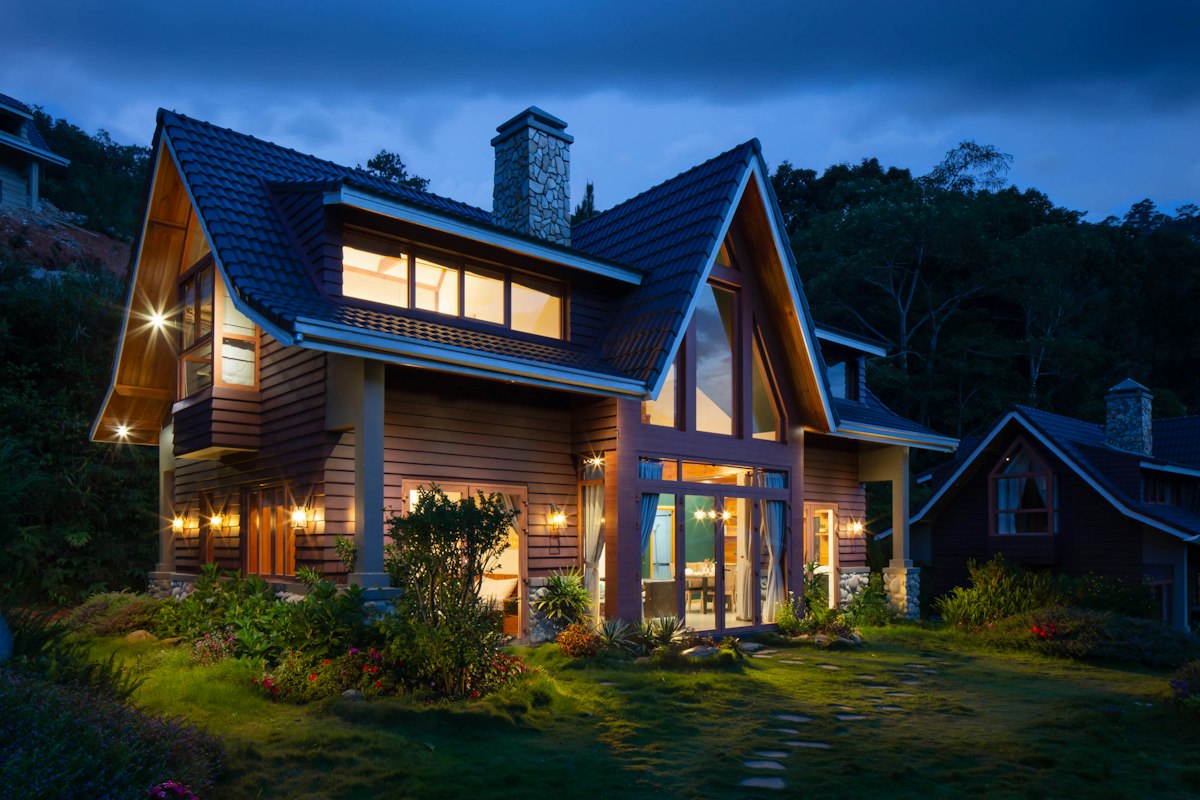
In the wake of a post-pandemic housing boom, Texas real estate is experiencing an unprecedented surge in home prices, particularly in urban centers like Austin and Dallas. The Texas A&M Real Estate Center recently reported that the median home price in Austin has jumped to $550,000, a staggering increase of 15% from the previous year.
The demand for housing in Texas is being driven by a combination of factors including an influx of new residents, low interest rates, and a thriving job market. According to the U.S. Census Bureau, Texas was the top destination for relocating Americans in 2025, with over 300,000 new residents bringing their purchasing power into the local housing market.
Local real estate agents, such as Sarah Thompson of Realty One Group, have noted that bidding wars have become commonplace, particularly for homes priced under $400,000. "It’s not unusual for homes to sell for 20% above asking price, especially in desirable neighborhoods like South Congress in Austin and the Preston area in Dallas," Thompson said. "Buyers are competing fiercely, often waiving contingencies to secure a deal."
The Texas housing market, while vibrant, is also receiving scrutiny due to affordability concerns. The National Association of Realtors has warned that rising prices could soon push homeownership out of reach for many first-time buyers. In response, the state of Texas is considering policies aimed at increasing affordable housing stock, including potential tax incentives for developers building within urban areas.
In addition to the residential market, commercial real estate is also on the rise. A recent $3 billion investment by a consortium of investors into office buildings in Houston and Dallas is set to create thousands of jobs and further stimulate economic growth. The influx of tech companies establishing headquarters in these cities is expected to drive additional demand for both commercial and residential properties.
Despite these challenges, the outlook remains positive. Texas is expected to lead the nation in population growth over the next decade, with estimates suggesting an additional 2 million residents by 2030. This continued growth is likely to keep pressure on the housing market, ensuring that Texas real estate remains a hot commodity.