
In light of unprecedented extreme weather events, Texas’s electric grid operators are under increased scrutiny as they manage energy supply and demand.
The last few months have seen several heatwaves sweep across the state, leading to record peak electricity consumption. On July 15, the Electric Reliability Council of Texas (ERCOT) reported a peak demand of 85,000 megawatts, causing concerns over the grid's reliability and overall infrastructure.
ERCOT's recent struggles have reignited discussions about the need for enhanced grid resilience. “We are continuously evaluating our systems to ensure they are capable of handling extreme weather,” remarked Bill Magness, CEO of ERCOT, during a press conference. “However, the rapid changes in weather patterns pose significant challenges.”
During the last major heatwave, rolling blackouts affected over 200,000 customers in the Dallas-Fort Worth area, raising alarms among residents and state officials alike. These blackouts highlighted vulnerabilities in the grid, particularly as more Texans turn to electric-powered cooling systems.
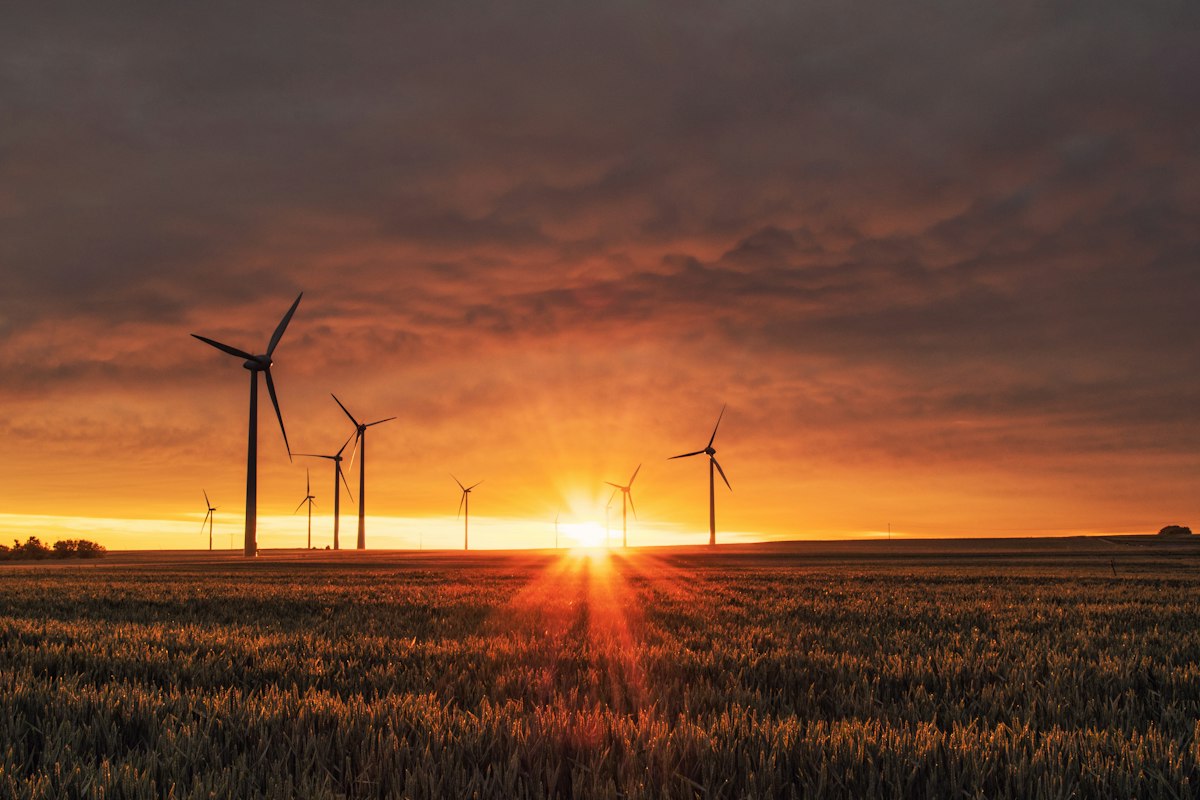
In response, the Texas Legislature has proposed a series of initiatives aimed at improving grid infrastructure. Proposed legislation includes increased funding for energy storage projects and incentives for utilities to invest in more resilient energy sources, such as wind and solar. “Investing in the grid is essential for Texas to meet its energy demands in a changing climate,” said Senator Sarah Eckhardt, chair of the Senate Committee on Natural Resources.
Meanwhile, financial analysts have raised concerns over ERCOT’s operational practices, citing a need for more transparency in how the grid is managed during peak times. They argue that without significant improvements, the potential for crises will only increase as climate change intensifies.
The recent events have also prompted Texas consumers to reconsider their energy providers. Some residents are exploring alternative options, including community solar projects and local energy cooperatives, which offer more sustainable energy solutions.
As part of a broader strategy, ERCOT is working on a plan to integrate more renewable energy sources into the grid while maintaining reliability. The organization aims to increase energy production from wind and solar to account for 50% of the state's energy mix by 2030.
Despite the significant challenges ahead, experts believe that the trials facing Texas's grid could pave the way for innovative solutions in energy management and sustainability. With concerted efforts from both public and private sectors, Texas can emerge as a benchmark for grid resilience in the face of climate change.