
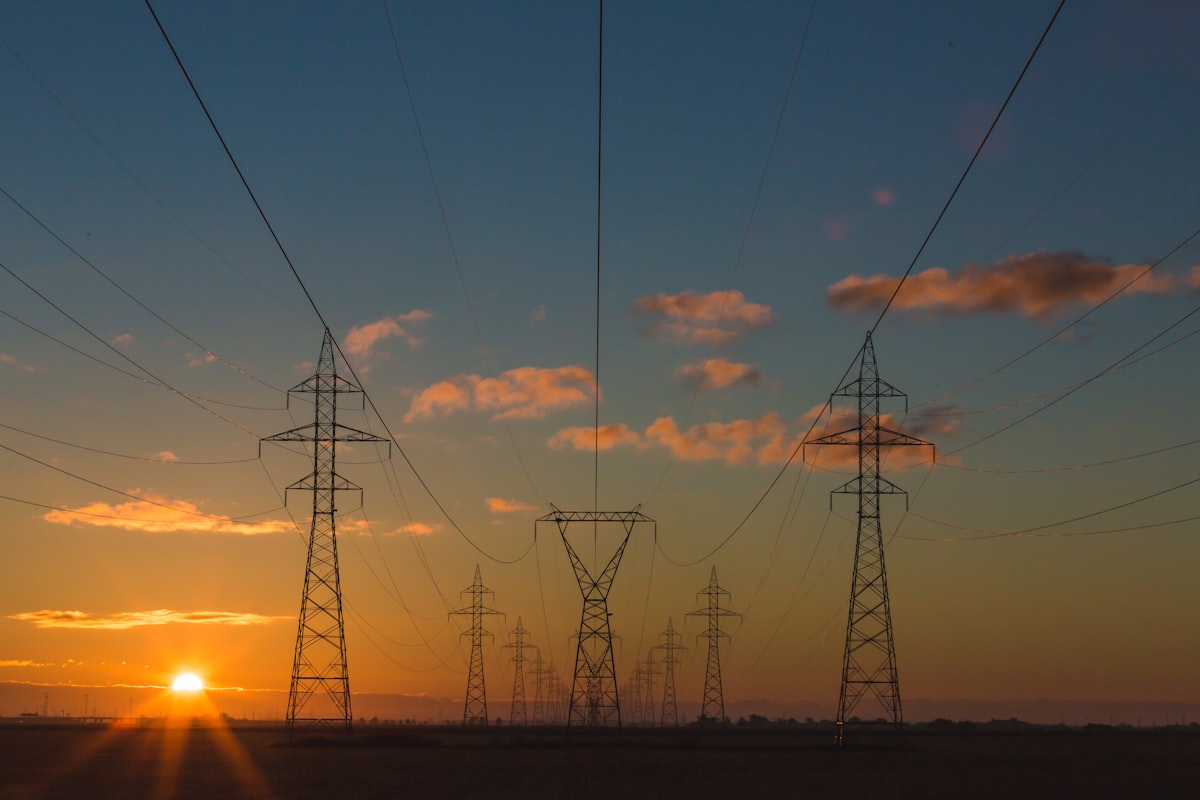
The Electric Reliability Council of Texas (ERCOT) is implementing new strategies to bolster grid reliability as record heat hits the state, challenging energy resources.
As temperatures soared near 110°F in cities like Austin and Dallas, ERCOT announced on August 2, 2026, a series of initiatives aimed at enhancing power supply during peak demand hours. These measures include incentivizing energy conservation and activating additional power generation units.
“We are prepared for this extreme weather event,” said Brad Jones, ERCOT’s Interim CEO. “Our priority is to maintain service reliability and to ensure that Texans have access to electricity during these critical times.”
The grid operator's latest report indicated an increase in demand, projecting a peak usage of over 80,000 megawatts in the coming days. ERCOT plans to appeal to residents to conserve energy, especially during the afternoon hours when demand traditionally peaks.
In response to previous challenges, ERCOT is also bringing on additional renewable energy sources, with wind and solar expected to contribute approximately 45% of the total energy mix during peak hours. This adaptation represents a significant change in resource allocation from just a few years ago.
Furthermore, ERCOT has activated its emergency procedures to bring more natural gas and coal plants online, which were initially sidelined due to low demand during milder seasons. This flexibility aims to create a more resilient grid capable of withstanding high-energy demand.
While ERCOT is promoting conservation efforts and leveraging additional resources, industry experts stress the importance of long-term investments in infrastructure. The summer of 2026 is a critical test, especially following the severe weather events that rocked the grid in previous years.
As part of its ongoing improvements, ERCOT is also collaborating with state regulators to streamline permitting processes for new energy projects, aiming to modernize the grid and mitigate future risks associated with extreme weather and increased demand.